Fuuka
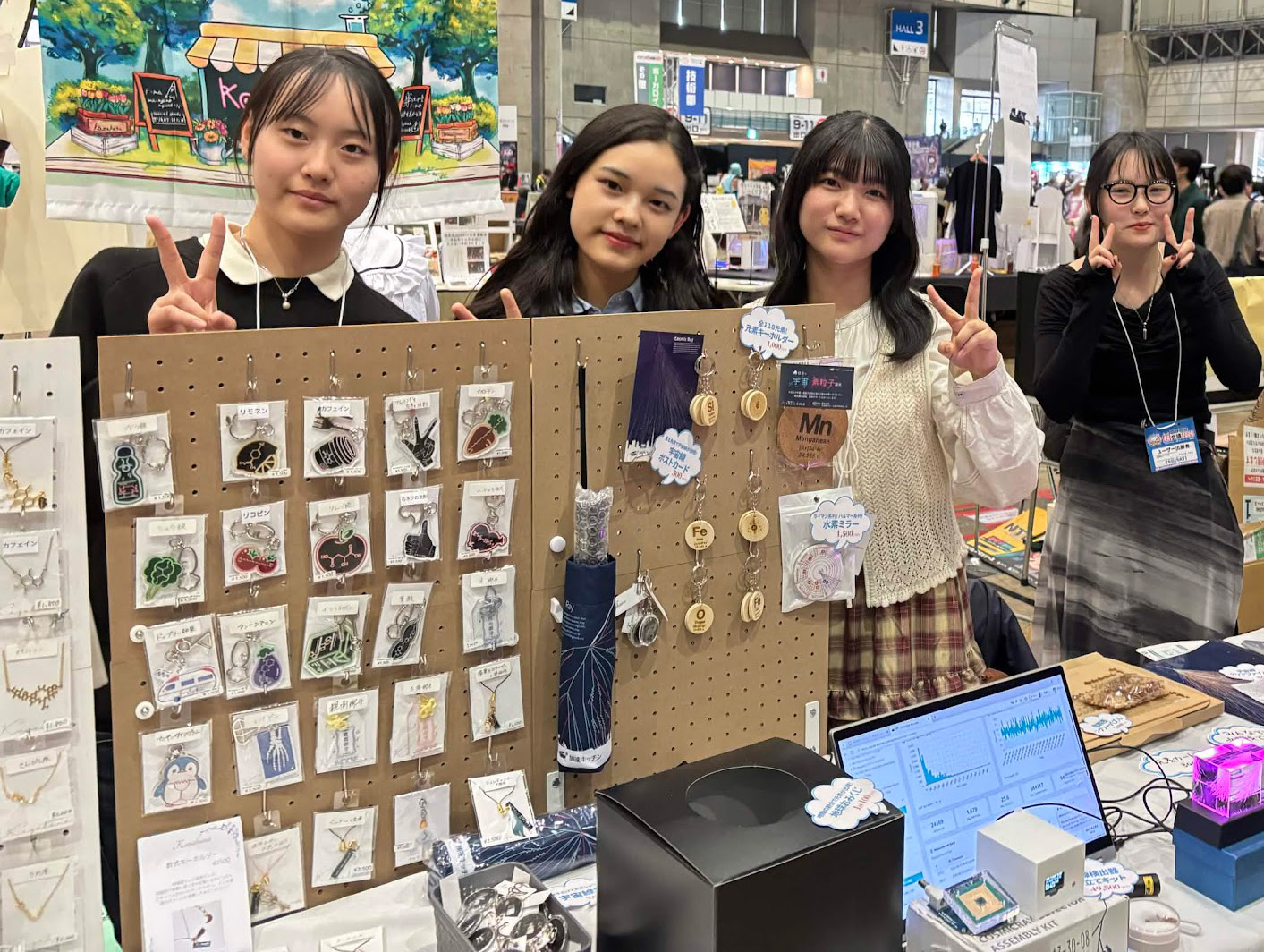
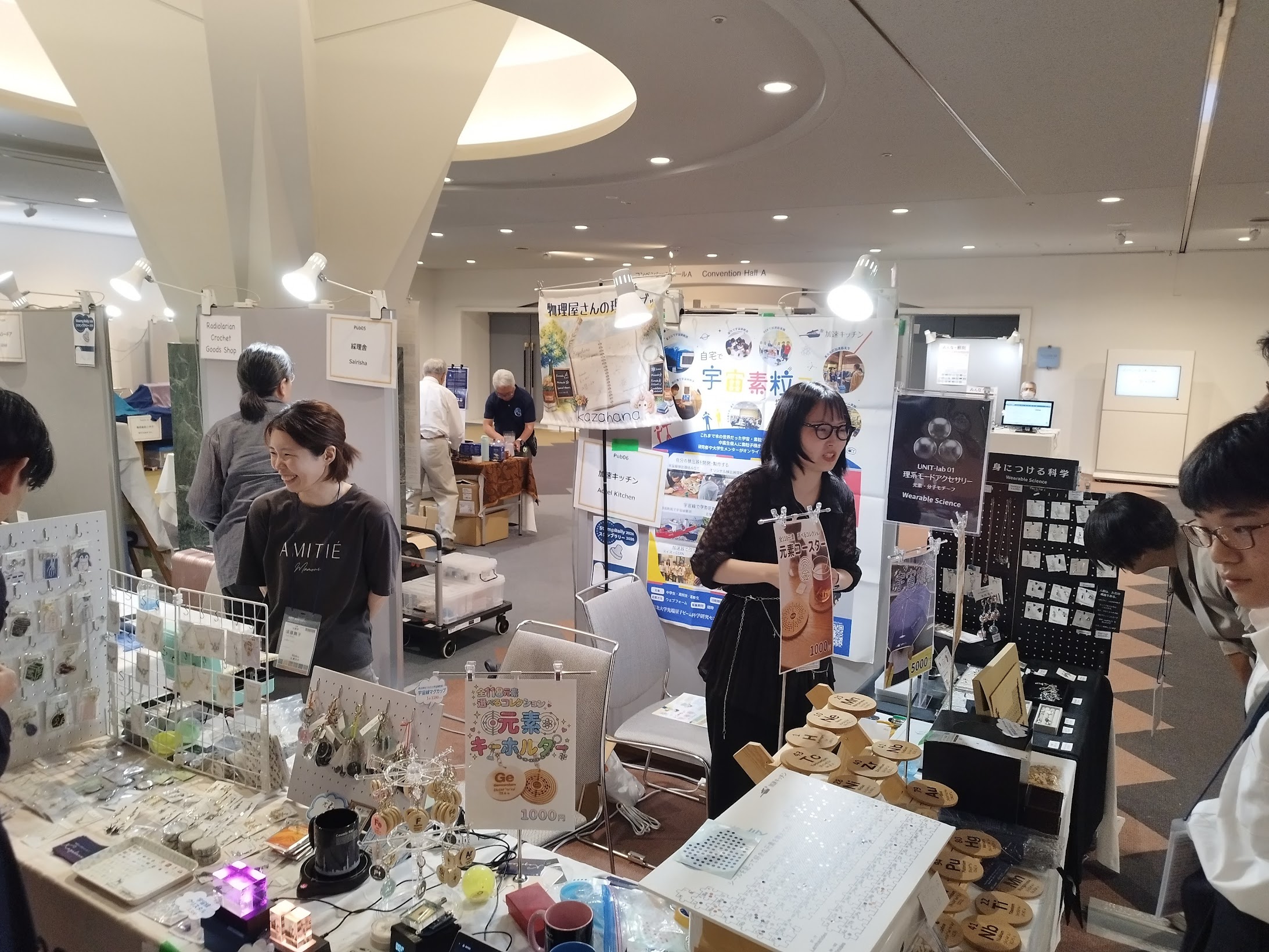
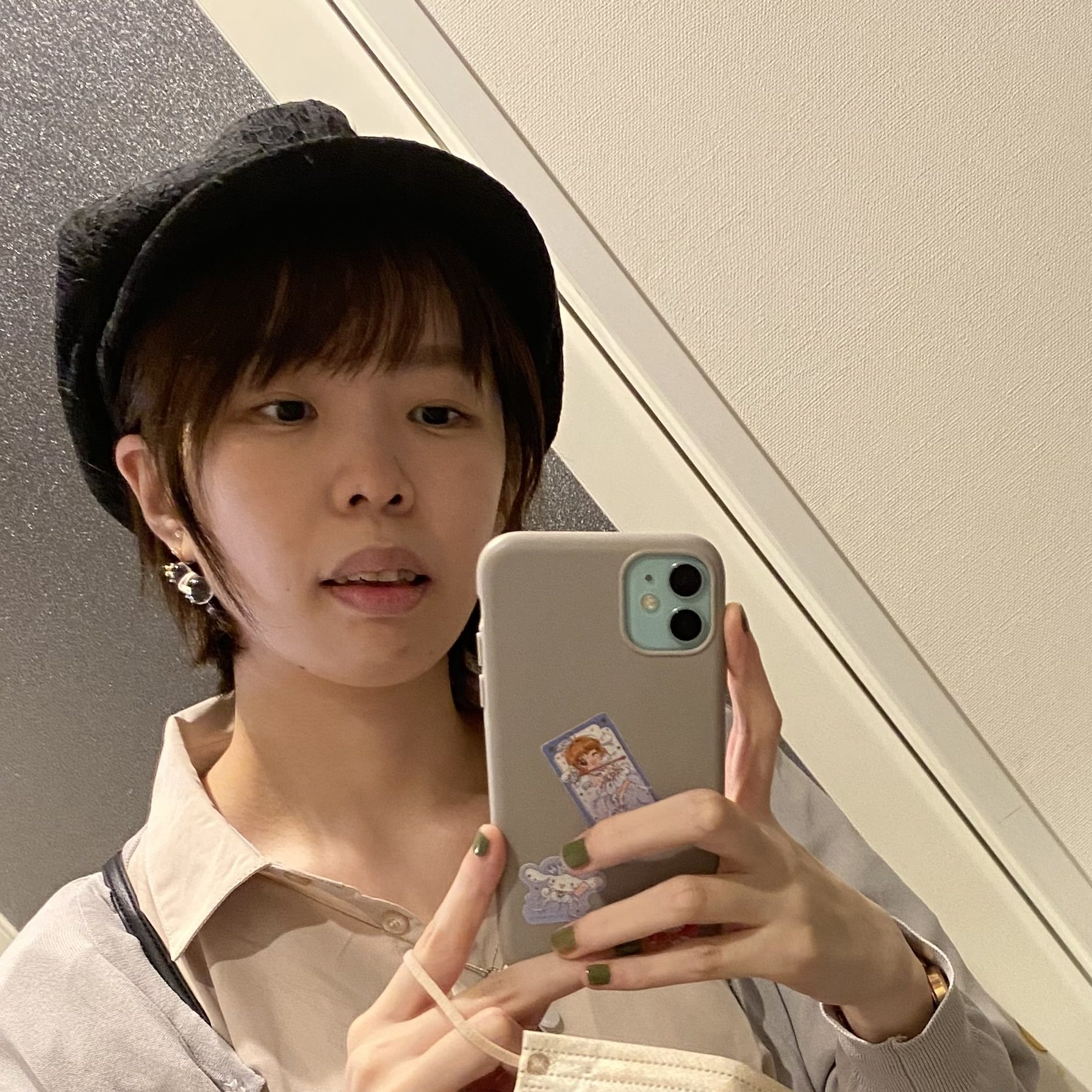
Graduate of Yamagata University. Runs the physics handmade shop "Kazahana." At Accel Kitchen, she supports junior- and senior-high students in particle-physics inquiry and handmade creation.
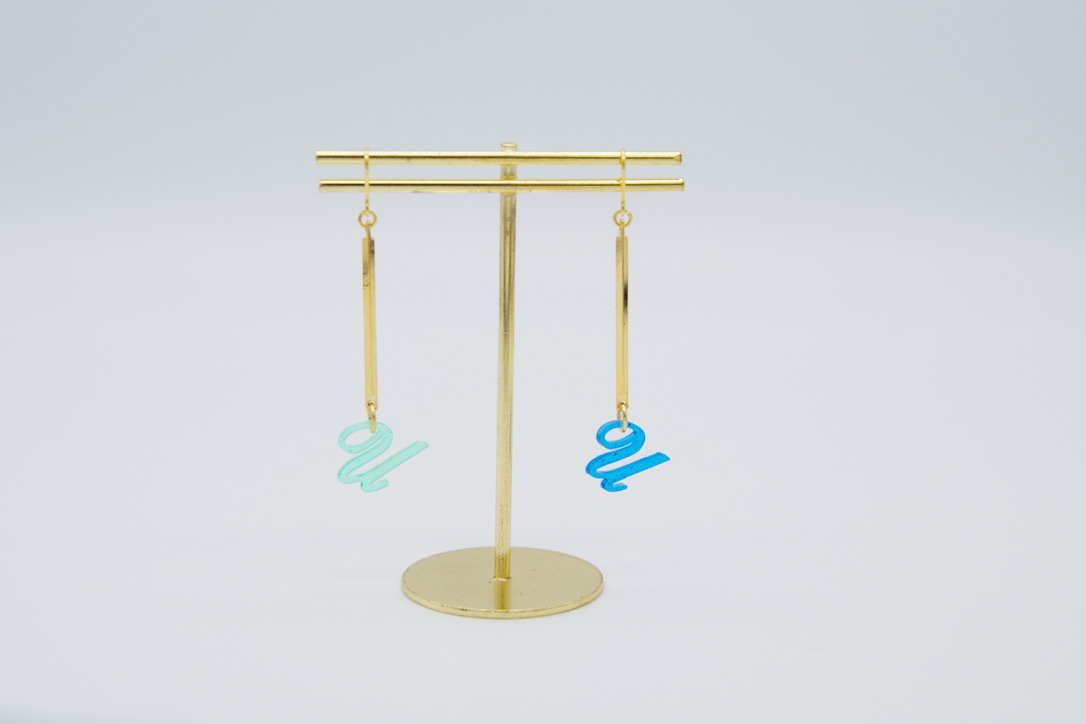
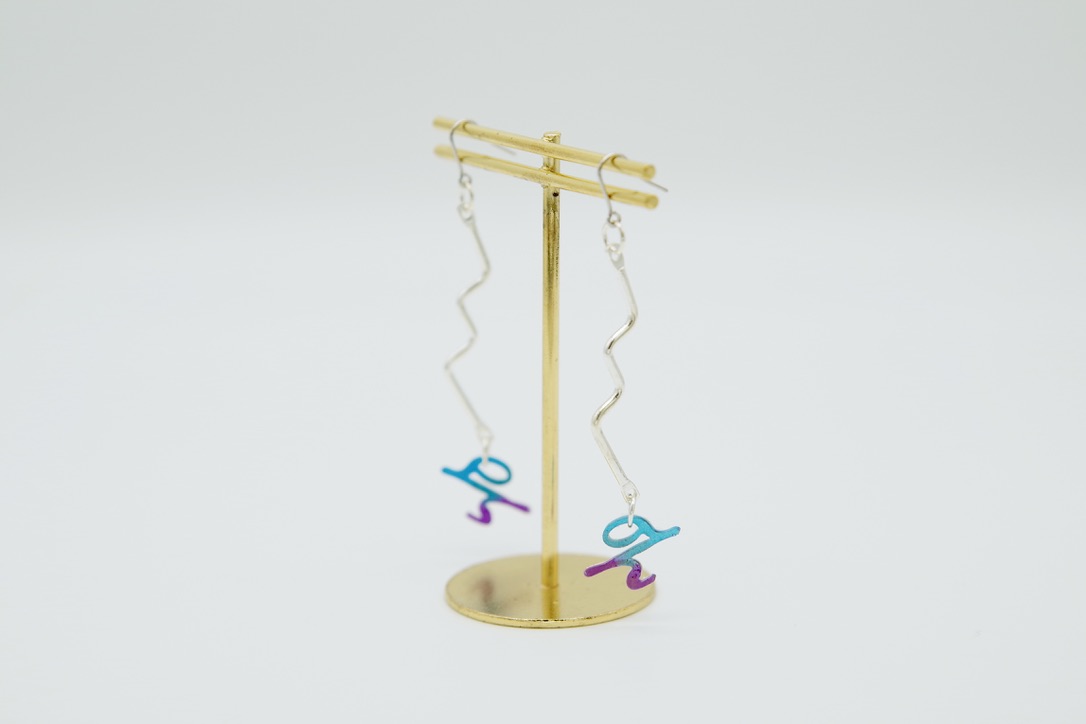
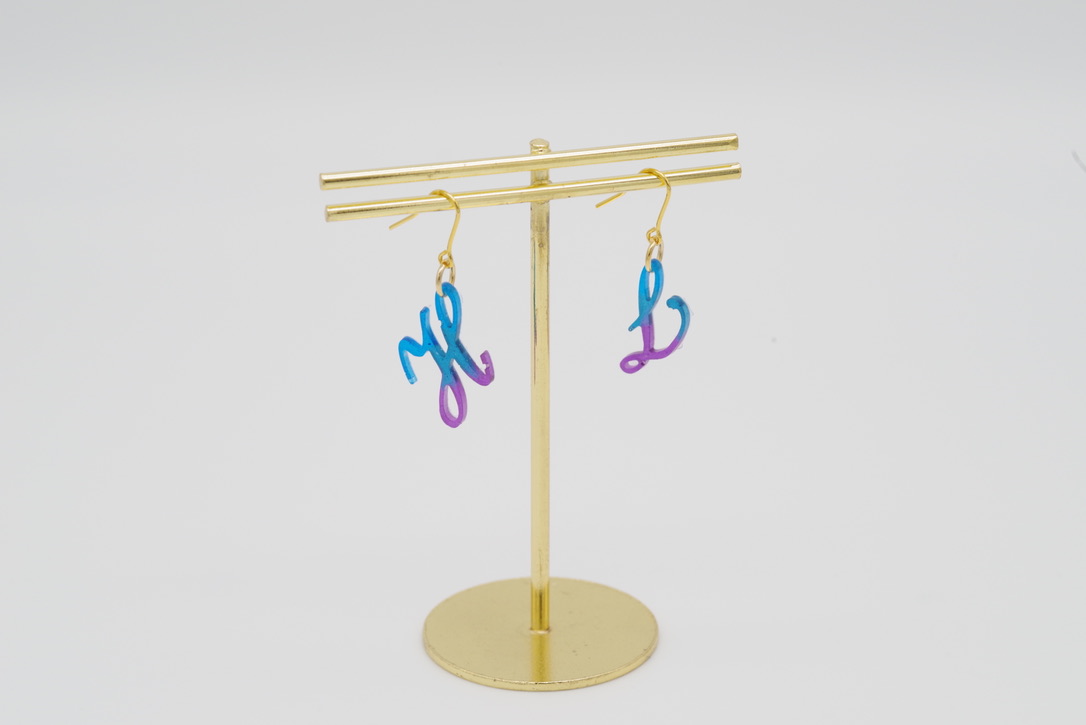
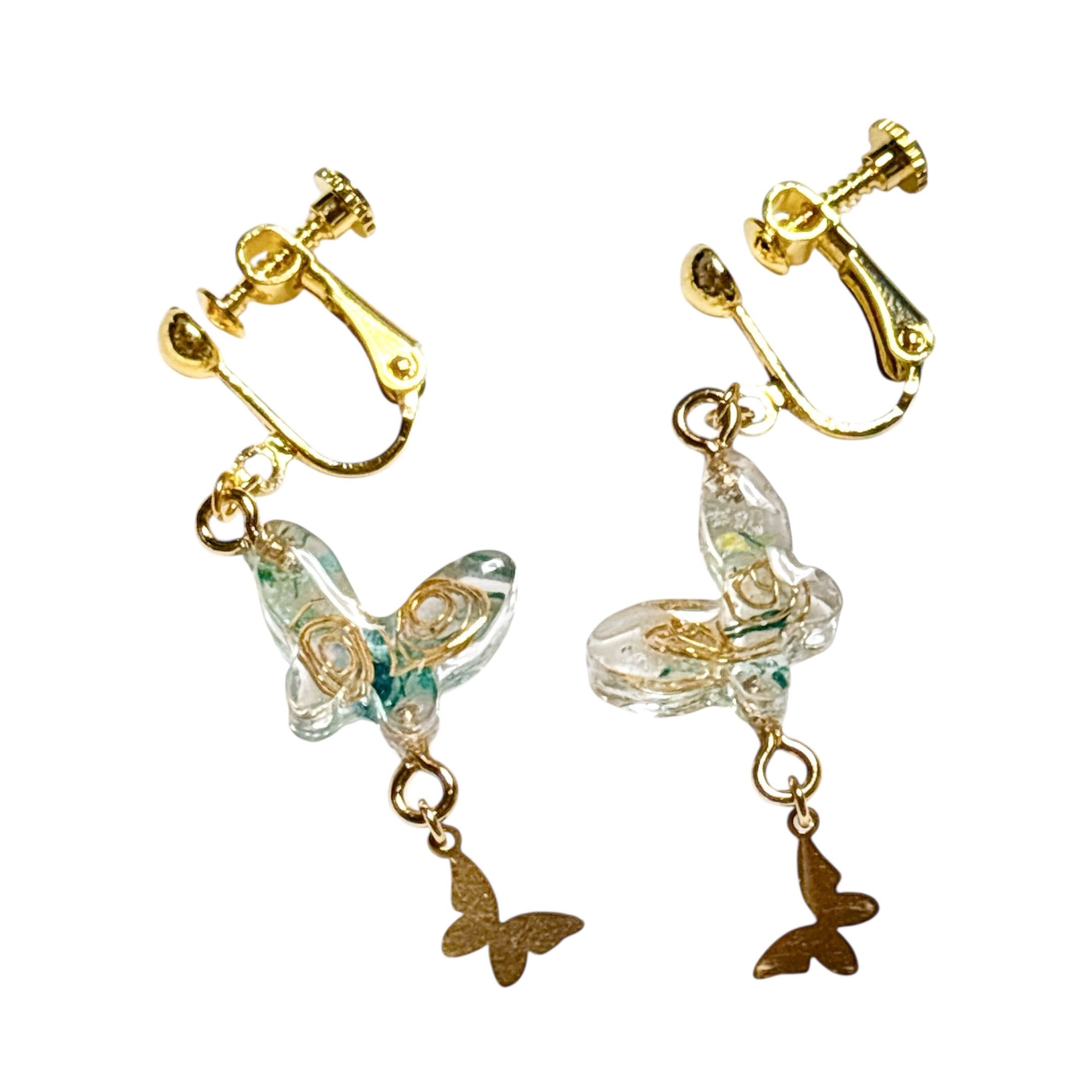
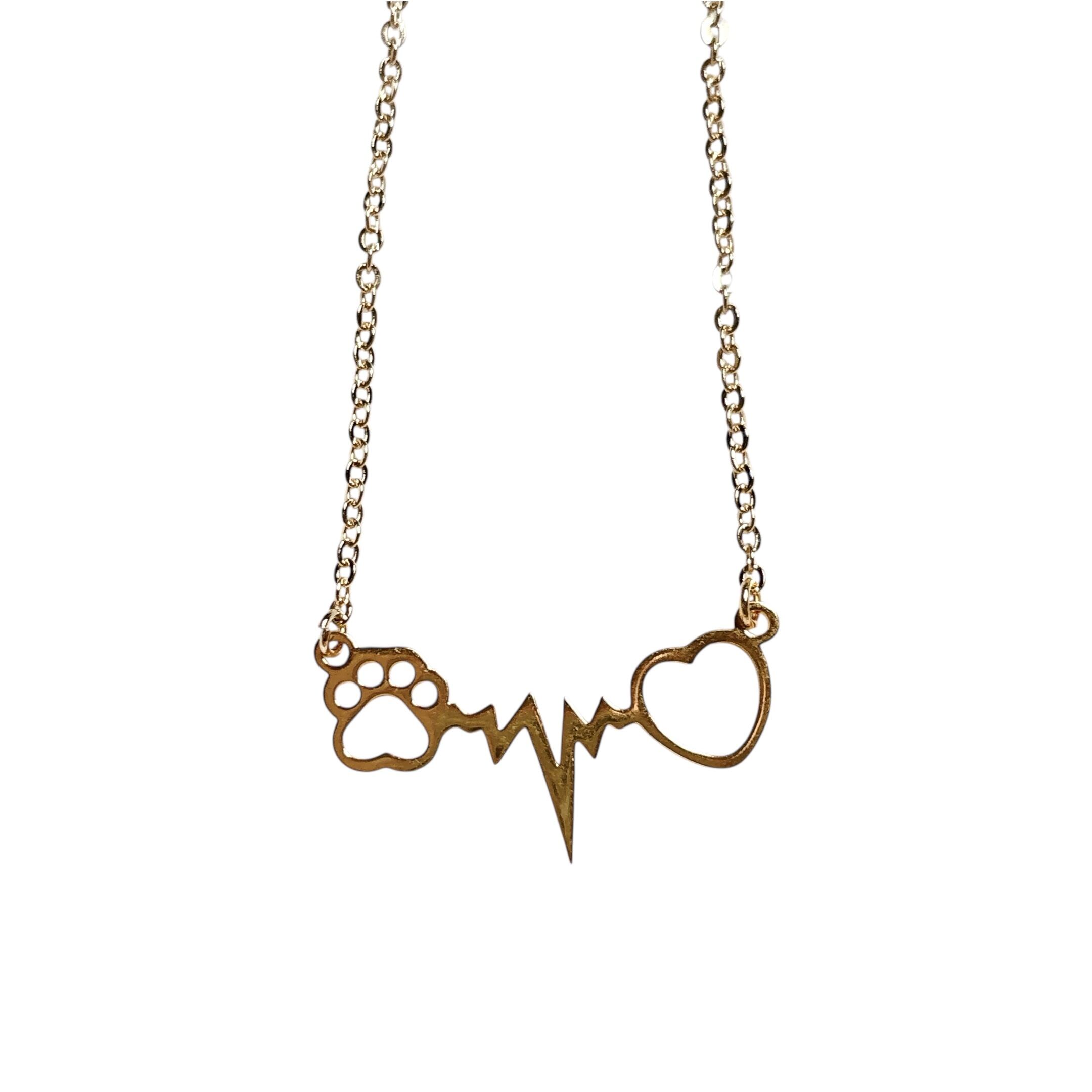
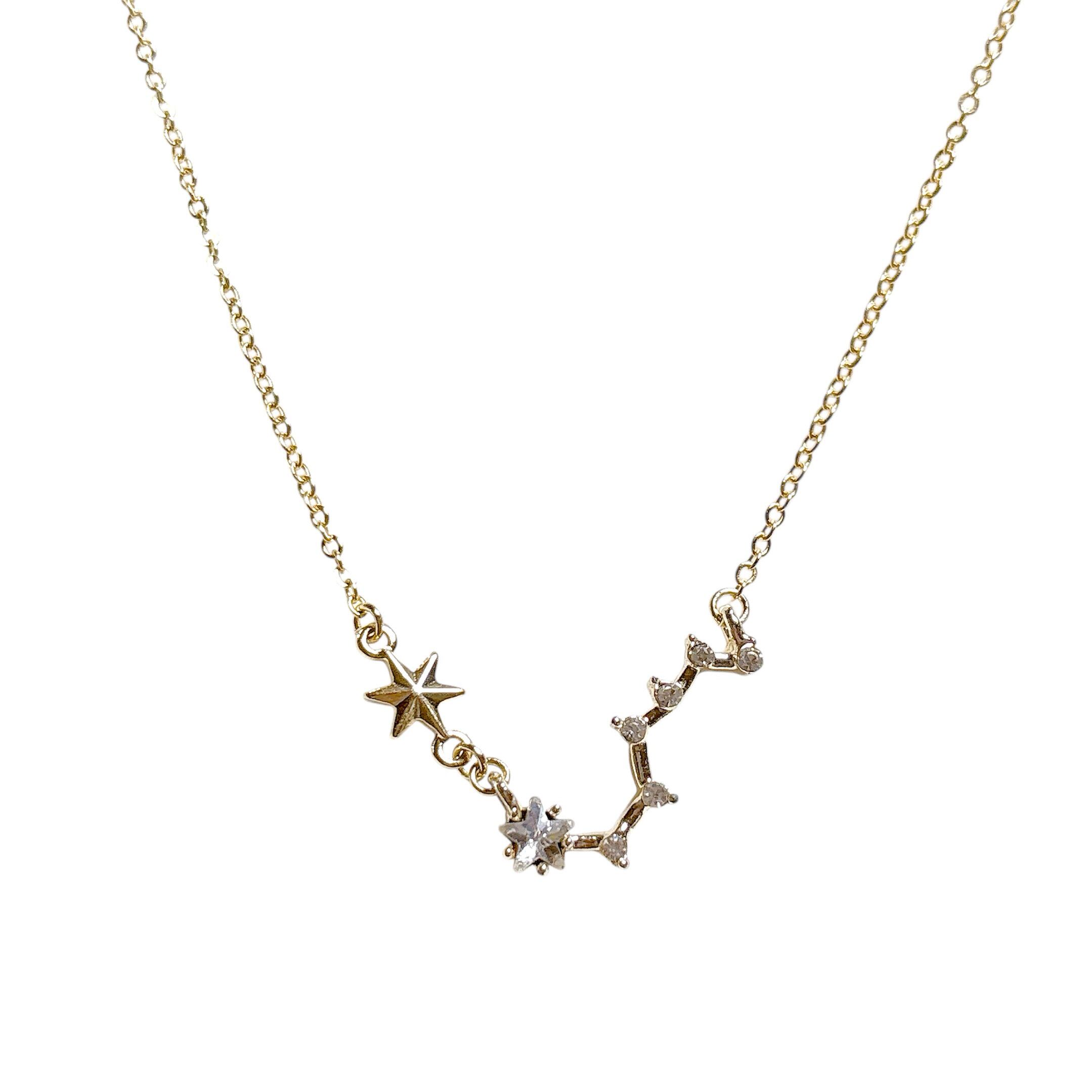
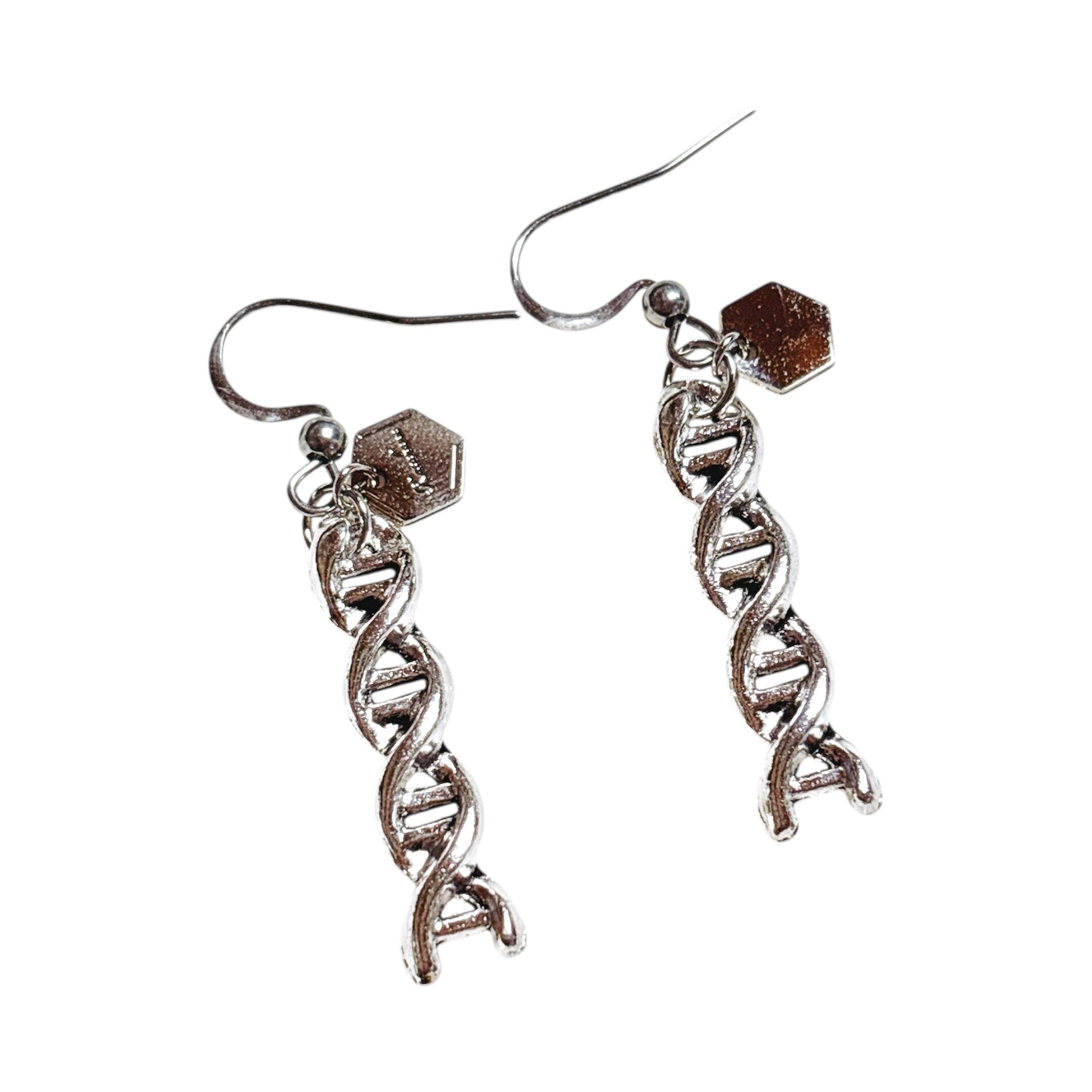
Examples of her work
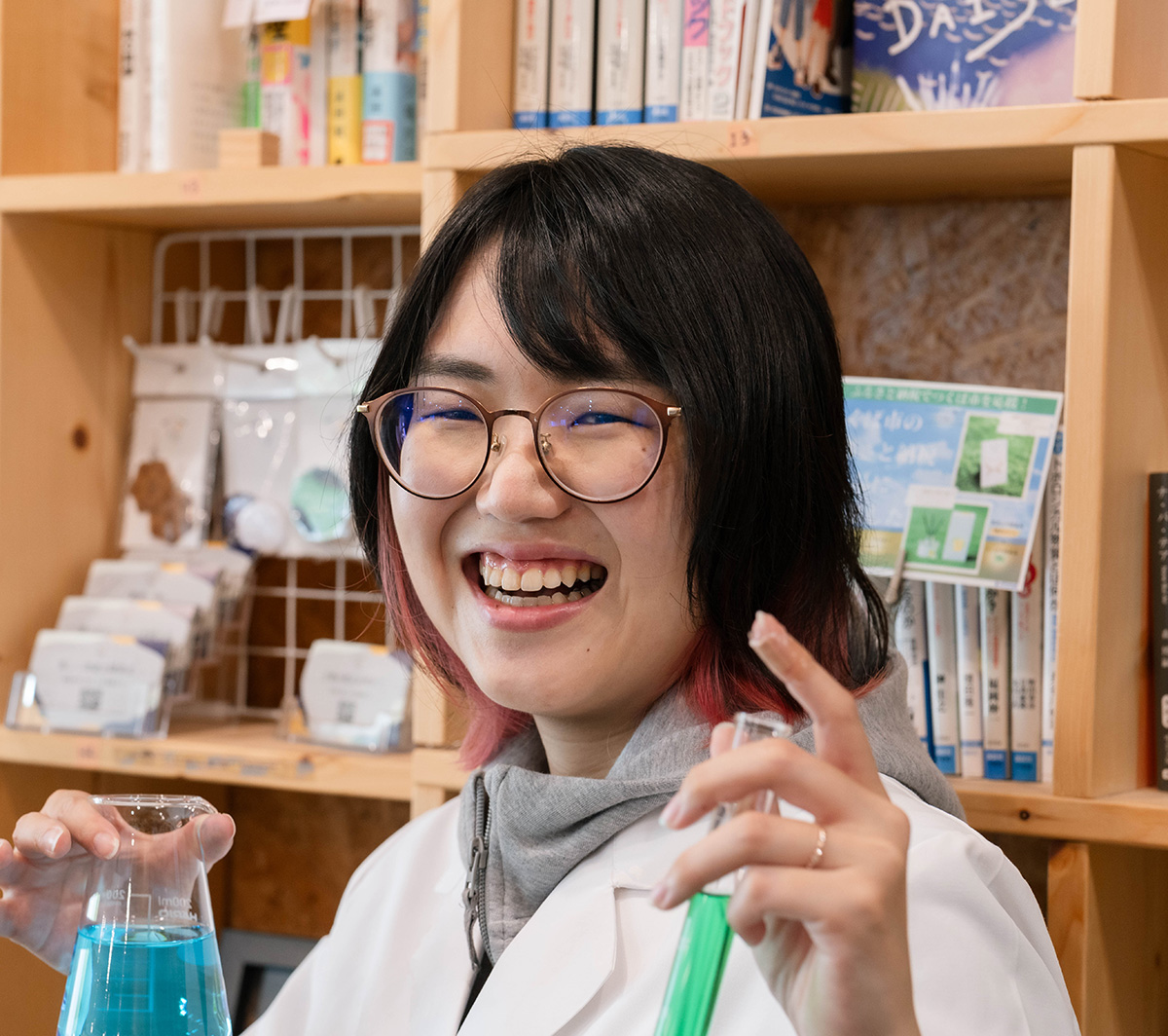
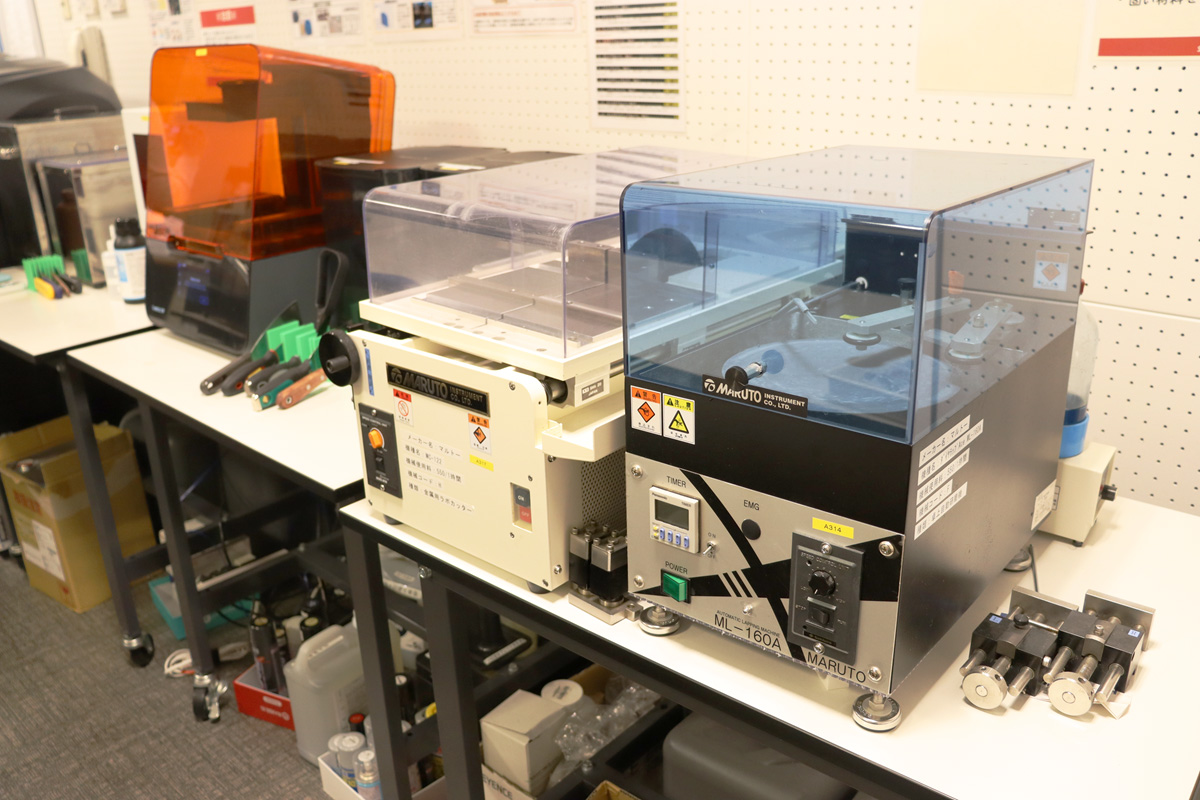
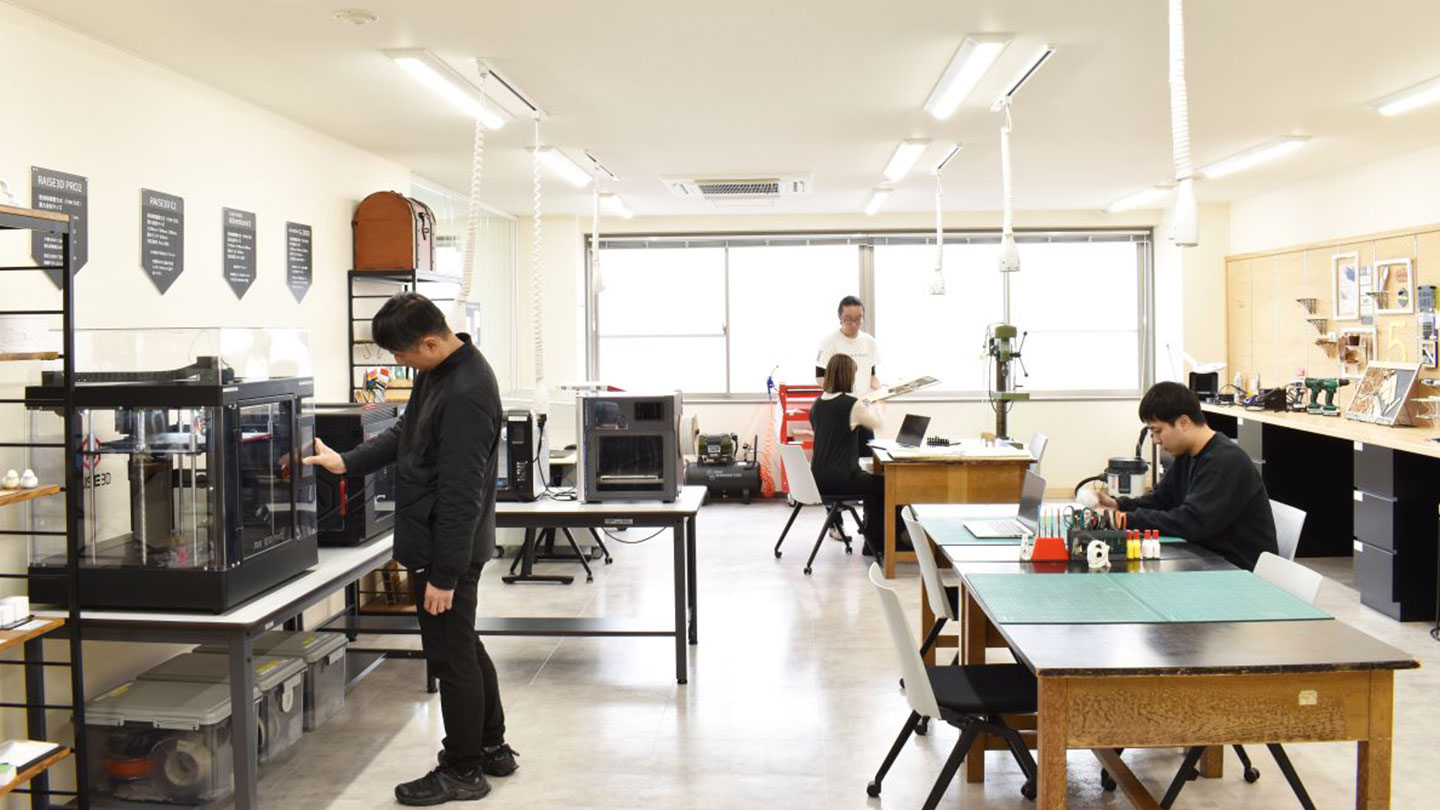
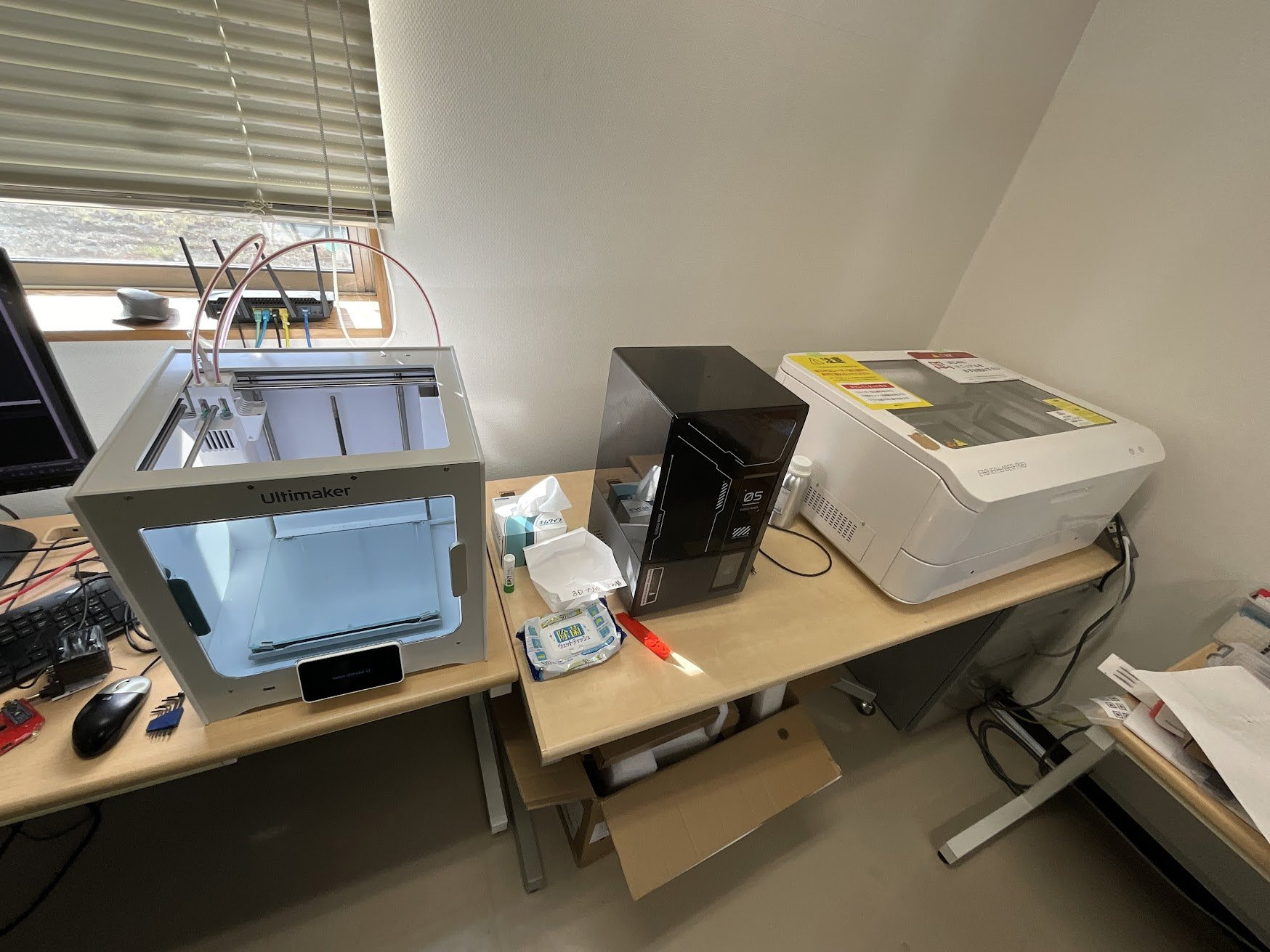
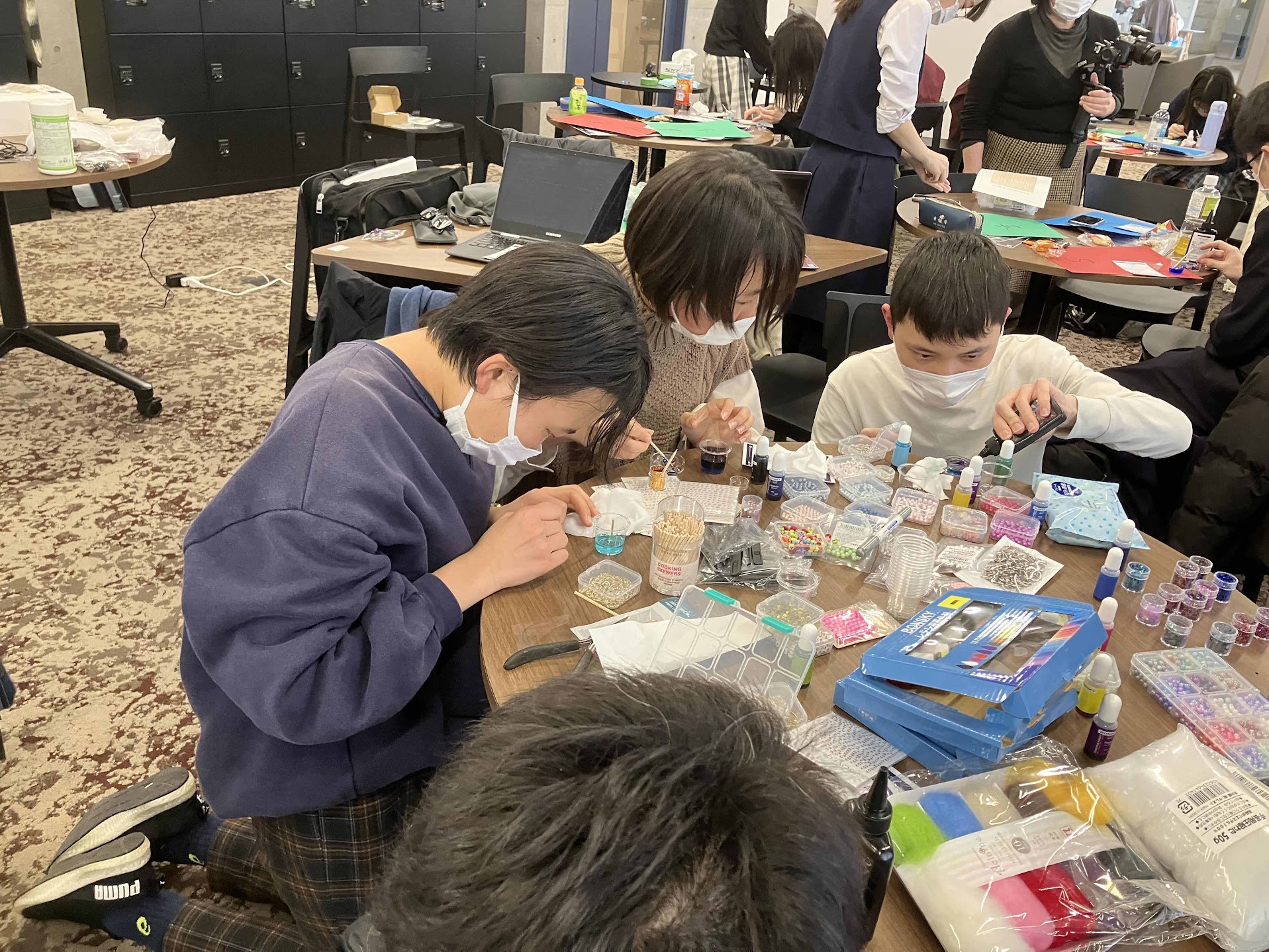
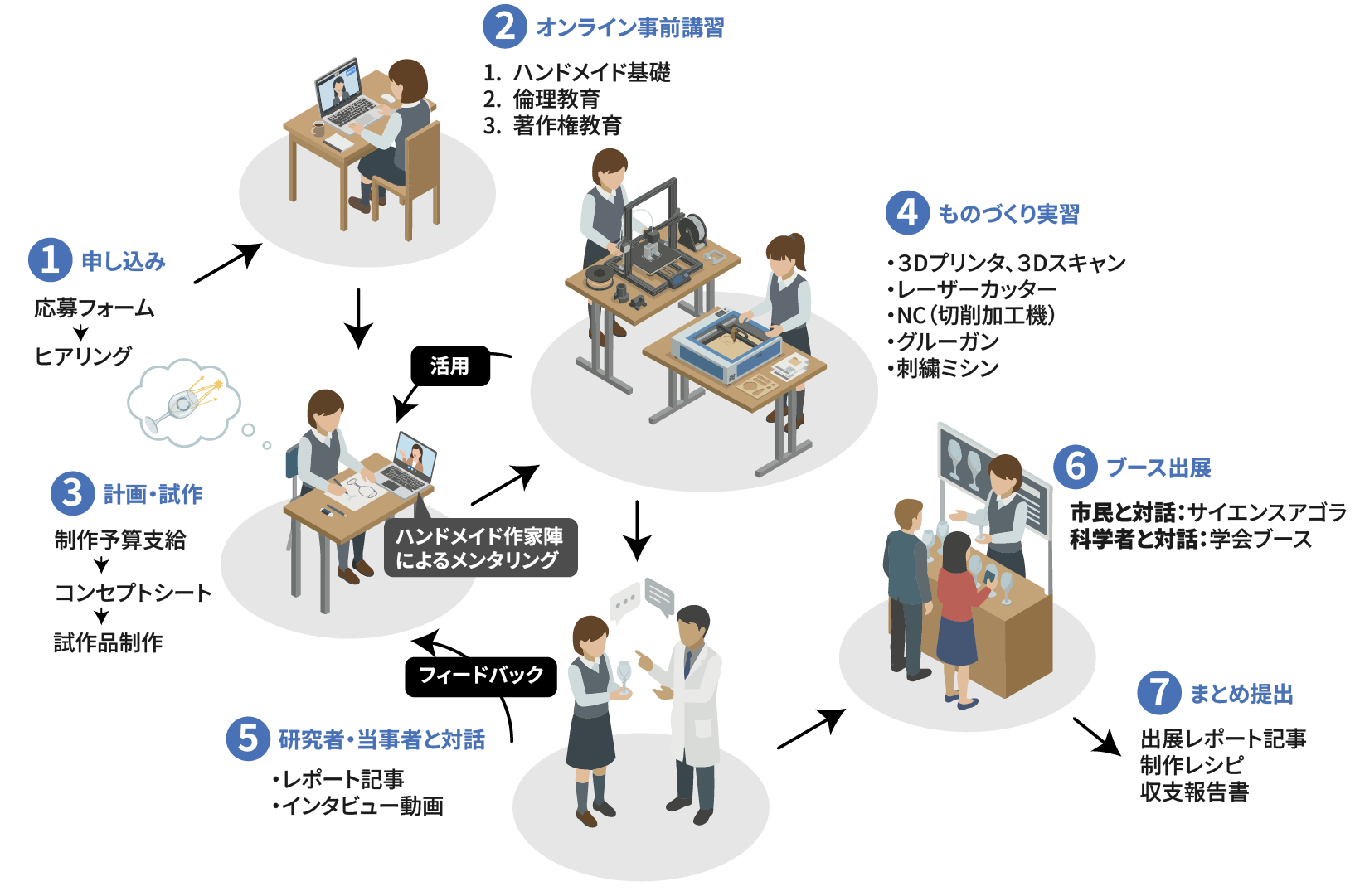
Science-handmade makers and researchers guide junior-high, high-school, and university students all the way — from creating the science-themed handmade pieces they love to selling them at festival and conference booths. We help cover the cost of parts and equipment, and you'll learn to use 3D printers and laser cutters too!
Think of the beautiful pieces and goods you've spotted in a science-museum gift shop. Have you ever been captivated by science goods like these? By letting you wear what you love and make it your own, such goods turn "like" into "love even more." Why not create wonderful science goods like these together with researchers, exhibit them at festival and conference booths, and share your passion with many people?
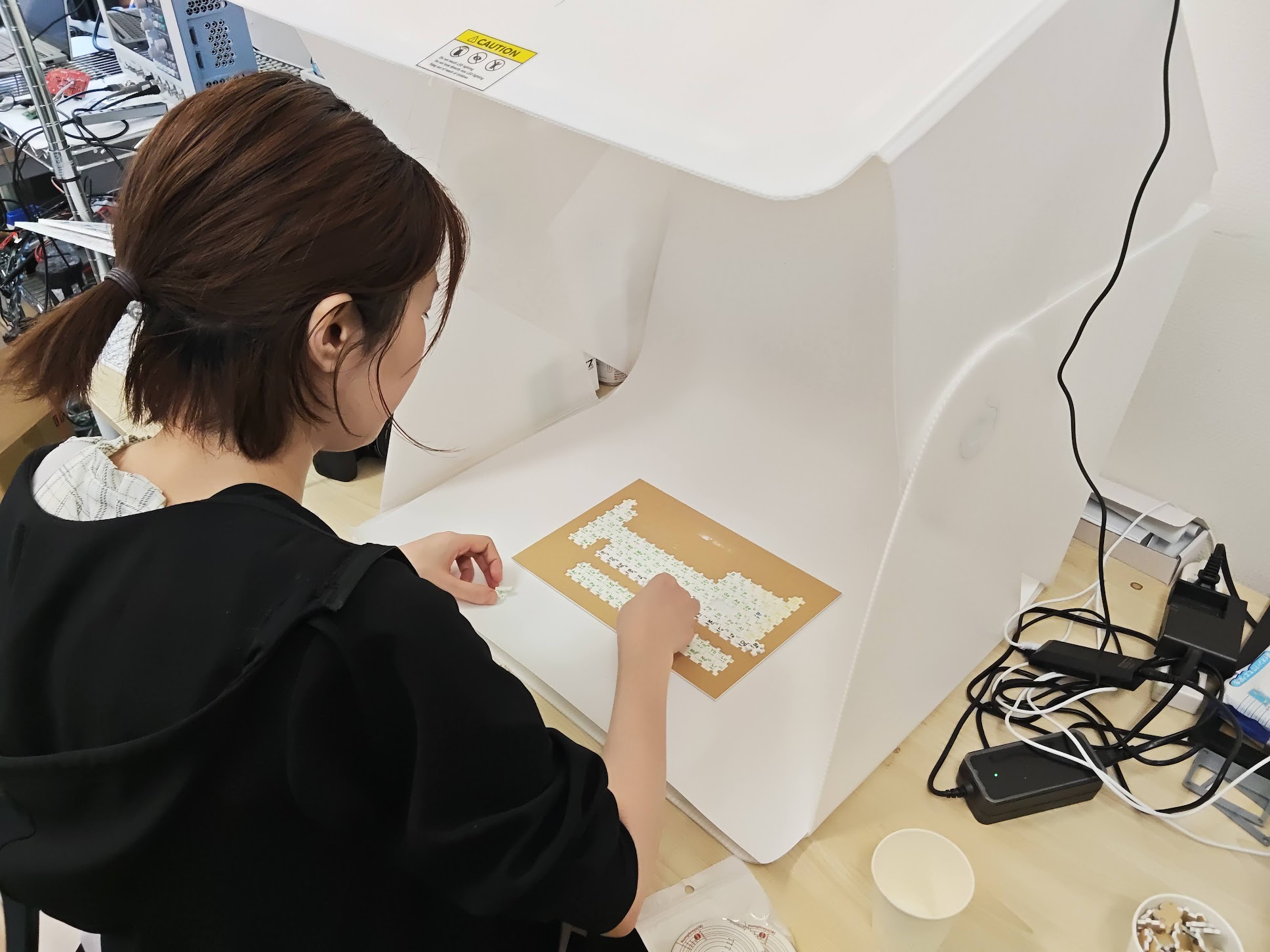
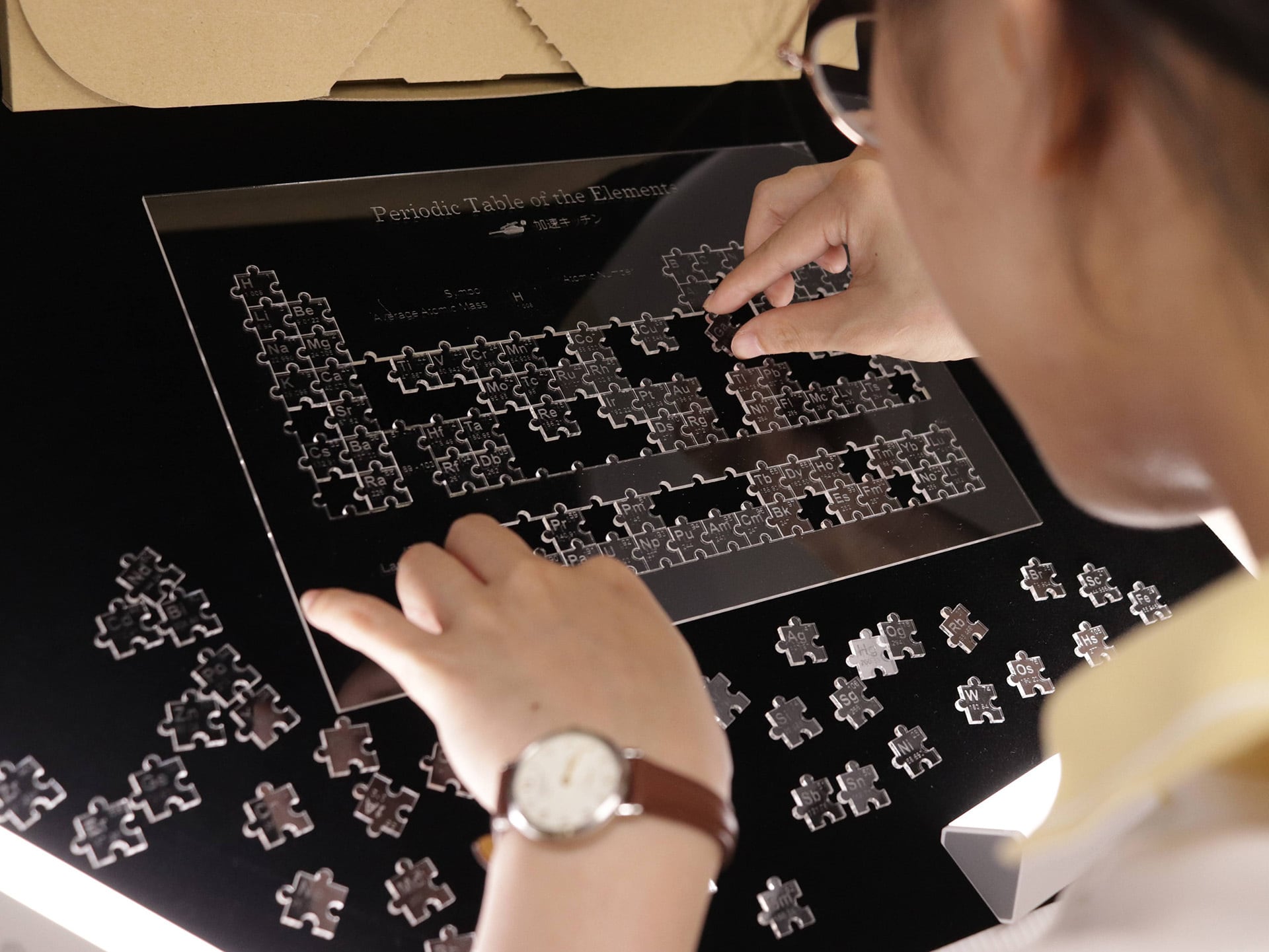
All 118 elements, one piece at a time.
From learning by looking to learning by touch.
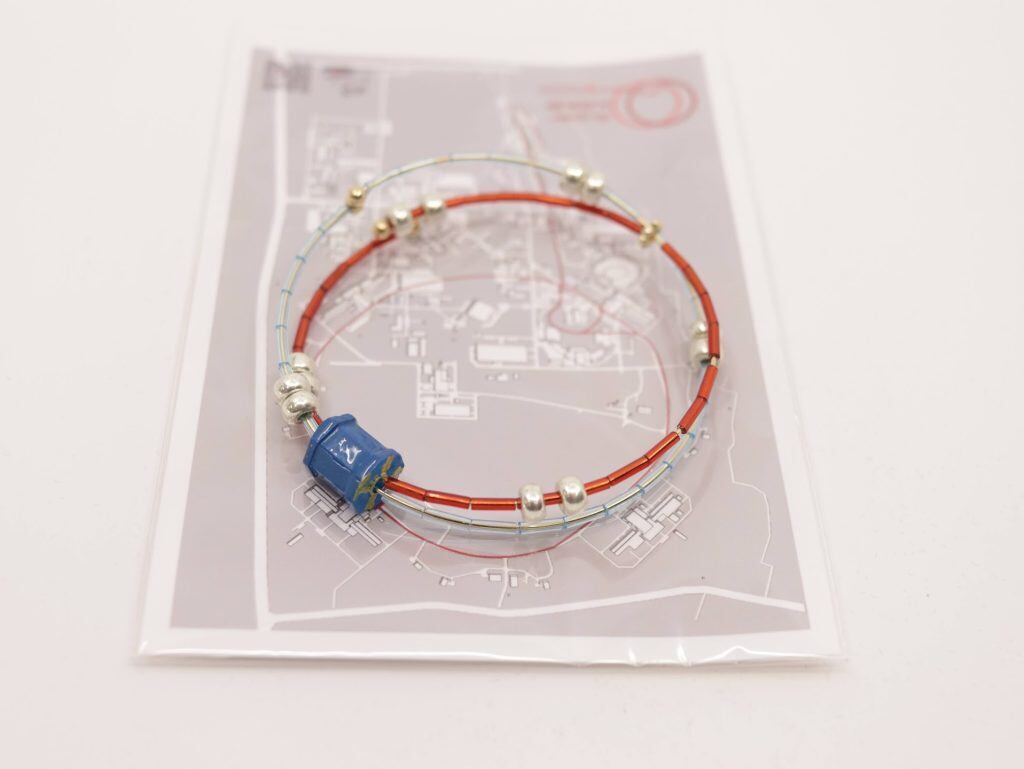
An assembly kit that wraps the ring of the
circular collider SuperKEKB around your wrist in beads.
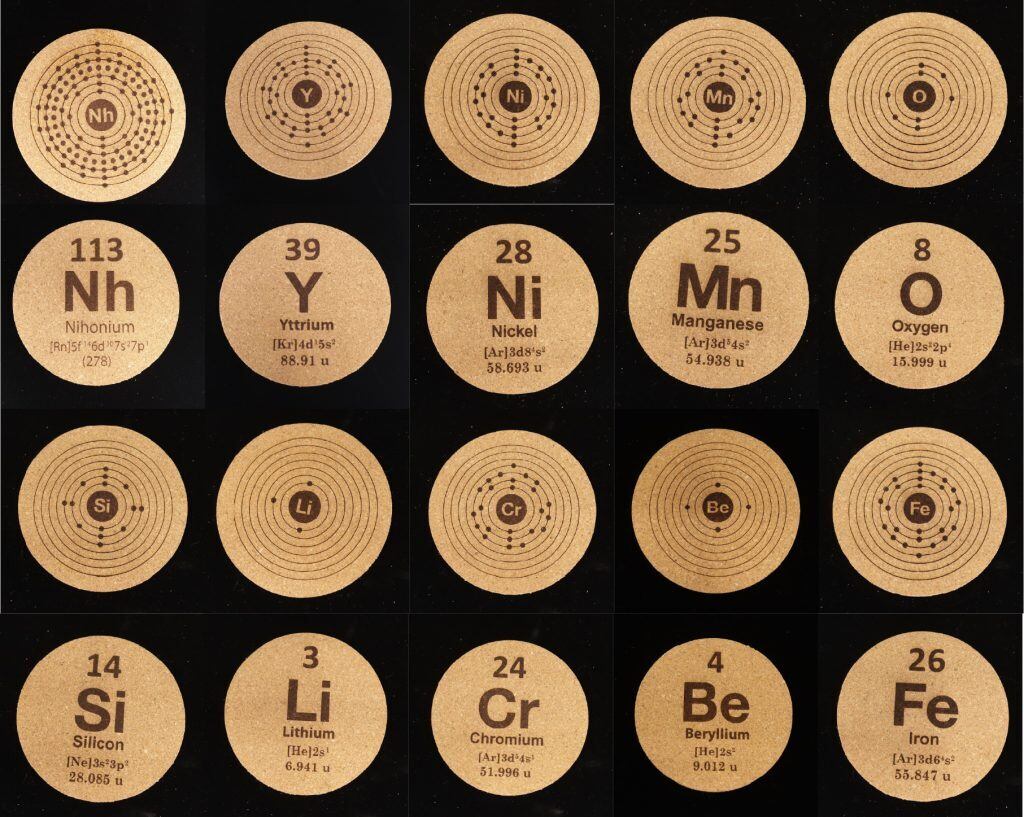
Element symbols, electron configurations, even orbital diagrams.
A touch of science engraved in cork.
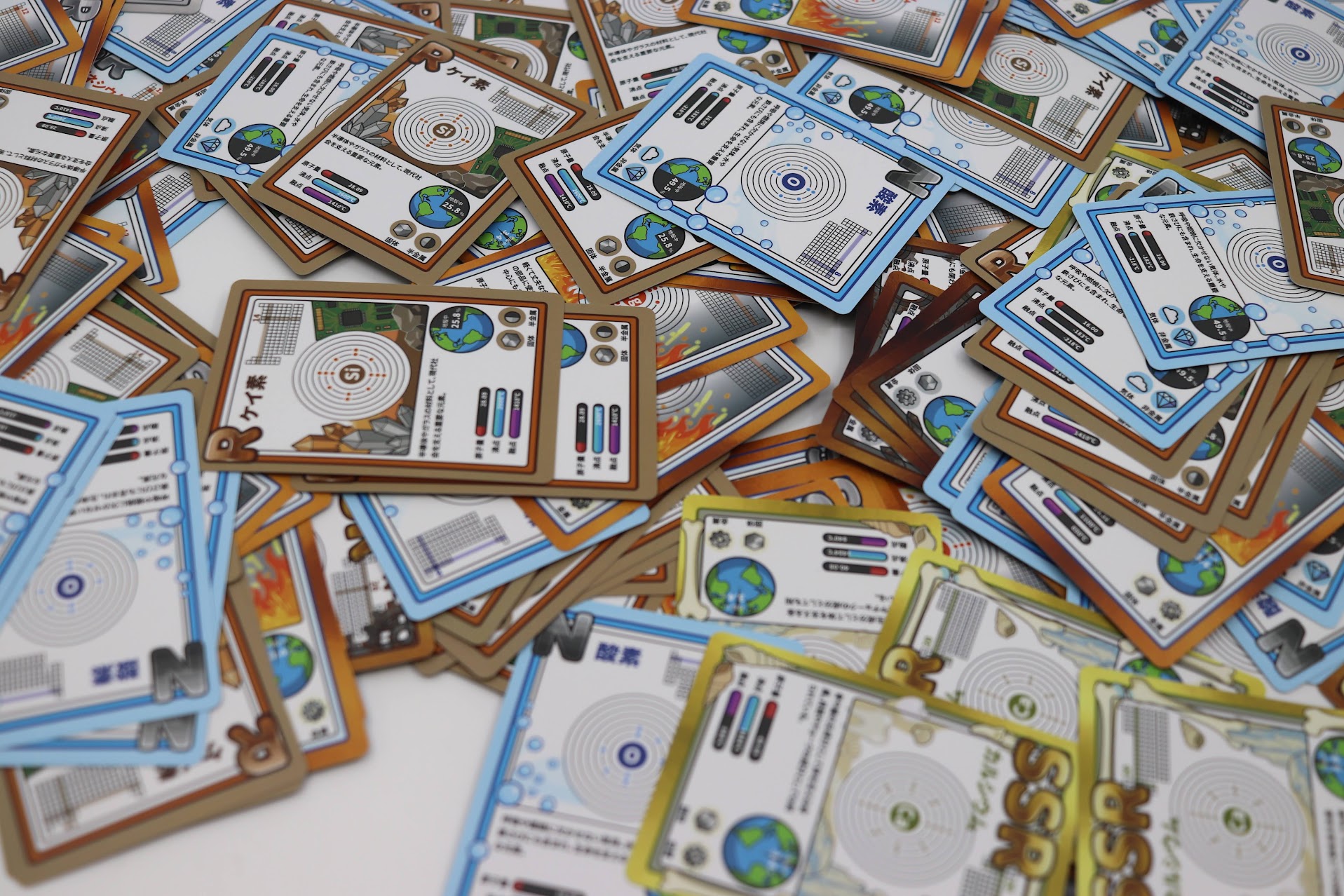
Original cards for learning the properties of the elements through play.
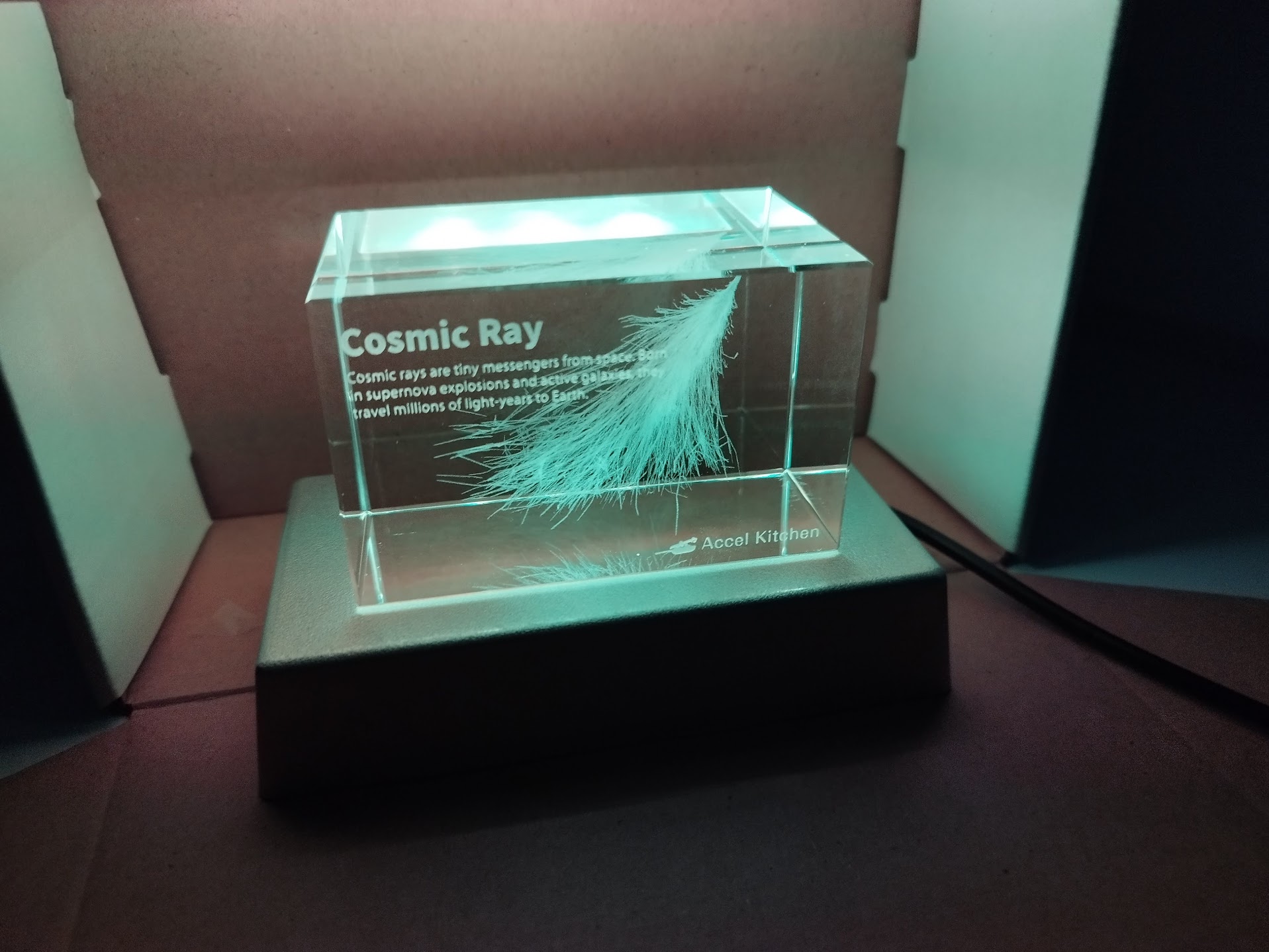
The tracks of particles from space,
etched into crystal with a 3D laser.
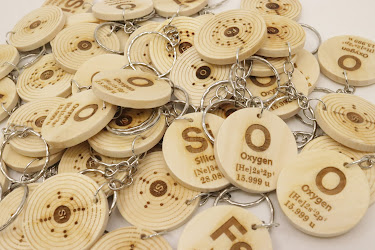
Element symbols and electron orbitals engraved in wood.
A little periodic table you can carry with you.
"Why am I drawn to this?"
As you give a once-abstract interest a concrete form, its outline comes into focus.
Take training sessions in digital fabrication at our partner maker studios (SHIP, Rokugo BASE, and others), and get the hang of the latest digital fabrication equipment.
Interview researchers and insiders in your field through our network of 25 research institutions in Japan and abroad. Get advice on the work you've made from researchers you look up to.
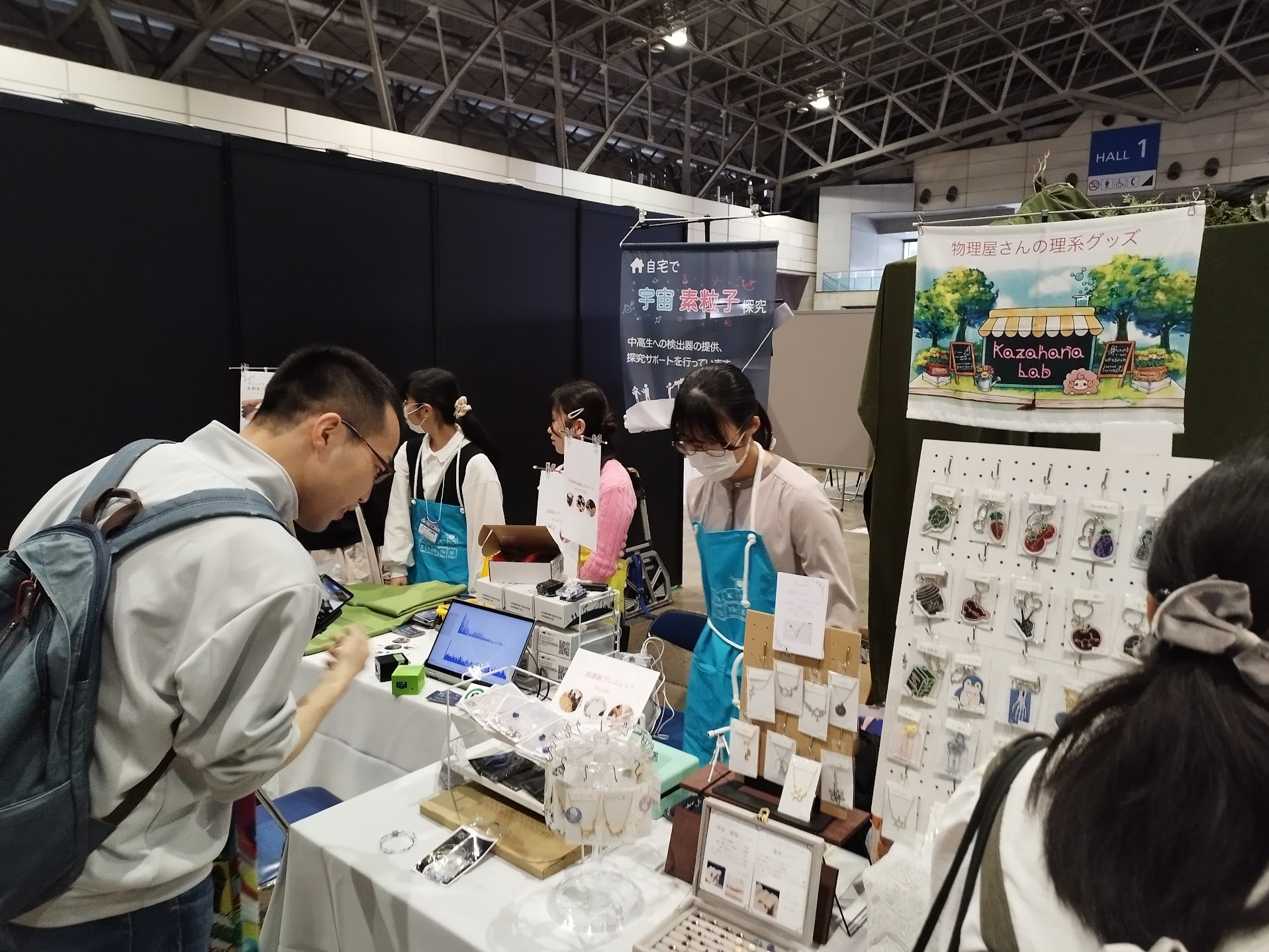
Exhibit at a booth at events such as Science Agora, Design Festa, and Hakubutsu Fes. Experience profit-and-loss budgeting so you can run a festival booth on your own.
Our handmade makers and student mentors support you online, from concept to sale.
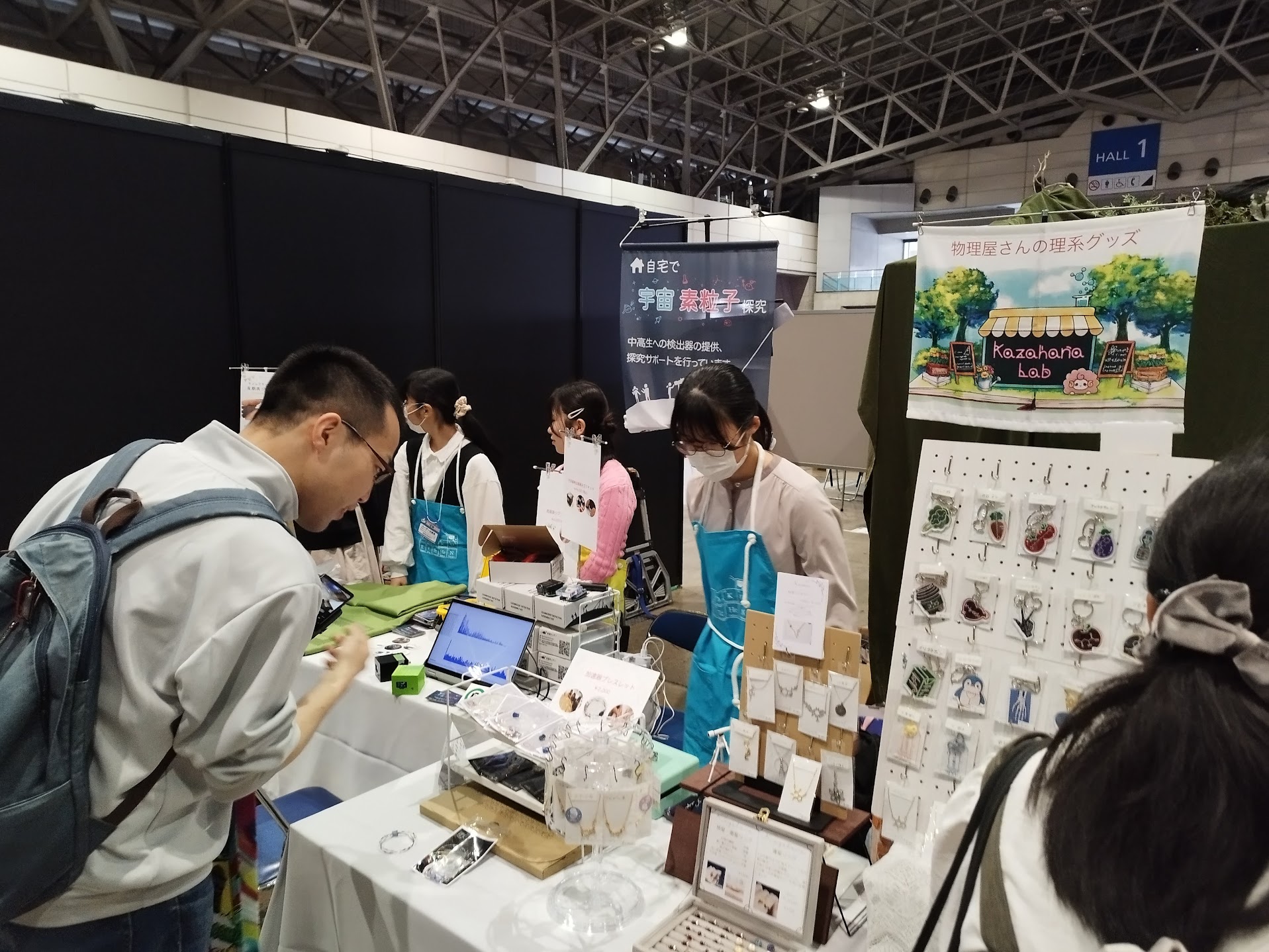
Accel Kitchen has run real booths at major festivals like these, putting works into the hands of real customers. Your work, too, will line up on stages like these.
Chokaigi
Niconico Chokaigi 2025
Makuhari Messe. We exhibited and sold works at a science booth.
Chokaigi
Niconico Chokaigi 2026
Makuhari Messe. We exhibited for the second year running.
JpGU
JpGU 2026
Japan Geoscience Union Meeting. We exhibited at a booth at this academic conference where researchers gather.
Graduate of Yamagata University. Runs the physics handmade shop "Kazahana." At Accel Kitchen, she supports junior- and senior-high students in particle-physics inquiry and handmade creation.
Examples of her work
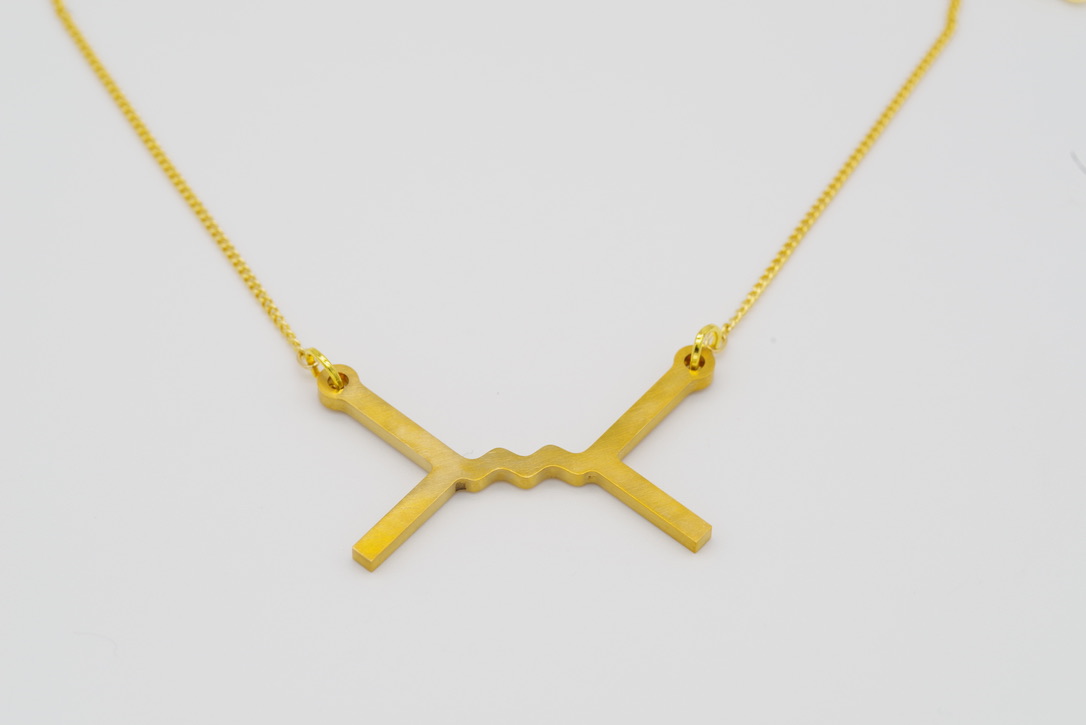
Completed graduate studies at SOKENDAI (The Graduate University for Advanced Studies); PhD in Science. Works in the KEK Public Relations Office. Sells physics-themed accessories and runs hands-on experiment workshops. Certified as a Tsukuba Science Education Meister in September 2024.
Examples of her work
SHIP
SHIP (Shinagawa Industry Support & Exchange Facility)
A Shinagawa-ward startup-support facility.
Rokugo
Rokugo BASE (Minami-Rokugo, Ota-ku, Tokyo)
A startup-support facility in Minami-Rokugo, Ota-ku.
RARIS
Accel Kitchen Sendai Office
Inside Tohoku University's Research Center for Advanced Quantum Beam Science (RARIS)
You set your own prices. You prepare change and sell to real customers with real money. From your sales, you first recover actual costs such as materials and booth fees, and whatever surplus is left is yours to keep. Experiencing the economic reality that "profit only remains once you've recovered your costs" is itself the aim of this program.
Let's think it through with these two cases.
(* Bar lengths are a rough image of the amounts, scaled to a maximum of ¥40,000.)
→ Your family pays ¥0 out of pocket. Accel Kitchen absorbs the shortfall (¥5,000).
→ After recovering your costs from sales, the ¥20,000 surplus is yours to keep.
Absolutely. In fact, we expect most participants to be first-timers. You'll start using 3D printers and laser cutters only after taking a training session at the studio.
Yes — applications and projects are individual. Most participants are first-timers, and our makers and student mentors support you online all the way through, so you can take part with confidence even on your own.
You can apply from anywhere in Japan. We support your handmade work online and introduce you to a maker studio near you.
It covers actual costs needed to make and sell your work — parts, materials, 3D-printing materials, booth fees, shipping, and so on. You decide how to use it and prepare a profit-and-loss statement.
Candidates include Science Agora, Design Festa, Hakubutsu Fes, research-institute open houses, and the high-school session at the Japan Geoscience Union (JpGU) Meeting. Together with the makers, you'll choose a venue that suits your work's theme.
It takes about 5 minutes. Just tell us your name and school, why you'd like to join, and what you'd like to make.
For parents and guardians: read about costs, money, and safety here →
Contact: info@accel-kitchen.com / Accel Kitchen LLC