For immediate release
Seventeen elementary particles, drawn as characters ─ a new illustrated field guide from Sogensha
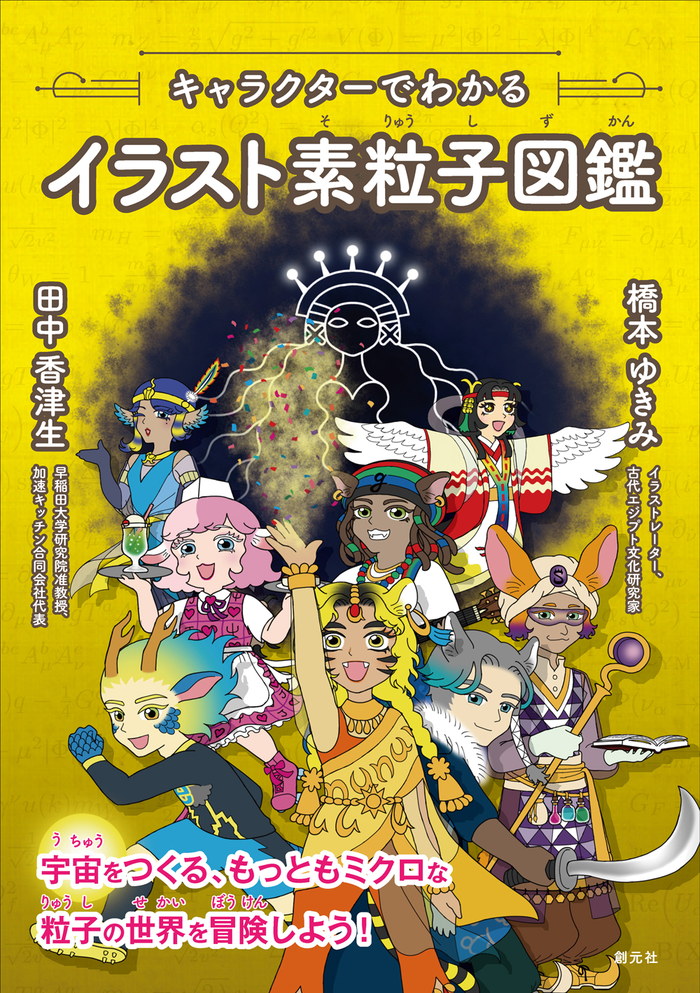
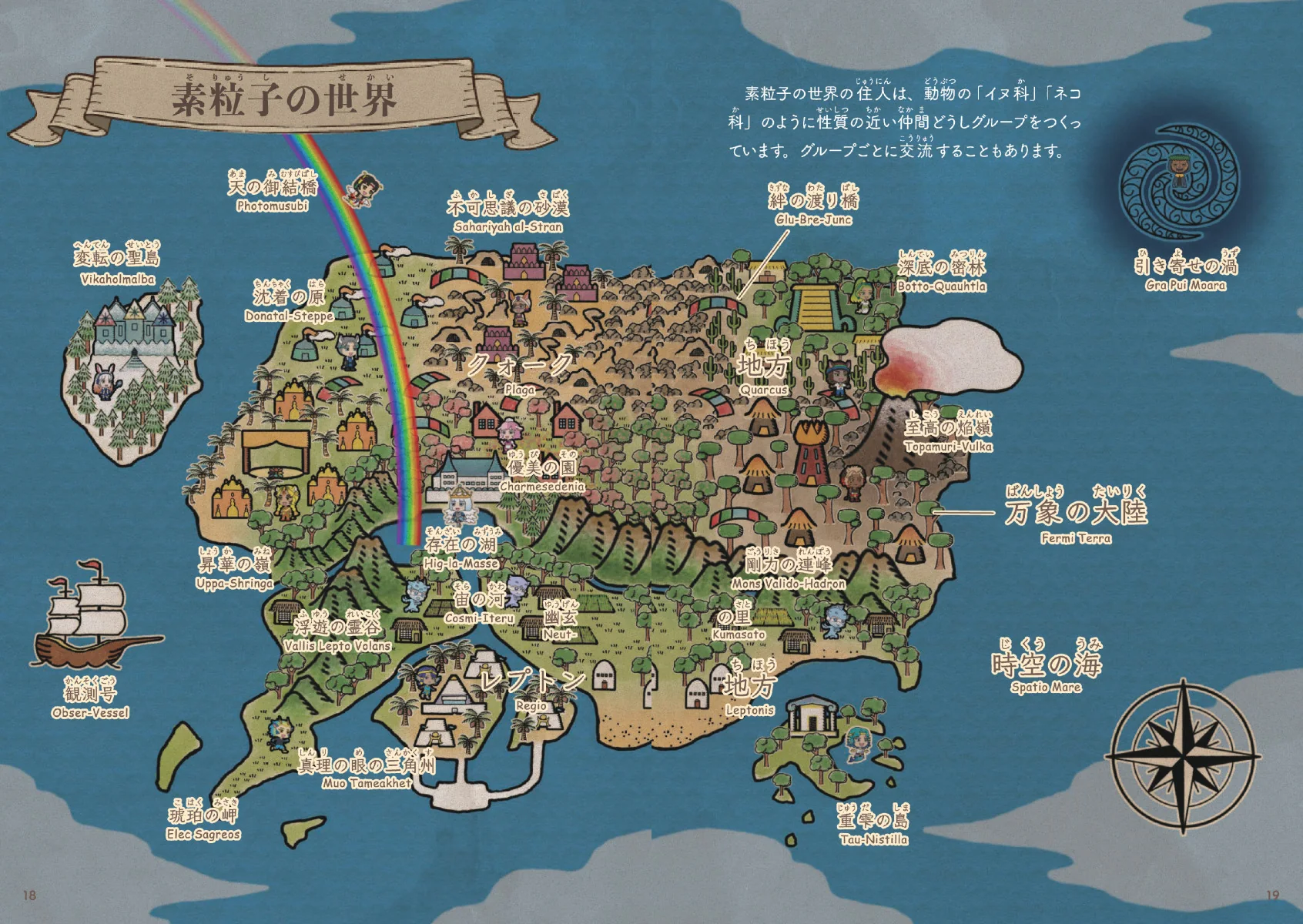
Kazuo Tanaka, founder of Accel Kitchen, and illustrator and ancient-Egypt researcher Yukimi Hashimoto publish a new book, An Illustrated Field Guide to Elementary Particles, in Characters, with the Japanese publisher Sogensha on 19 August 2026. All seventeen known elementary particles — together with undiscovered and hypothetical ones such as dark matter — are drawn as characters, with their mass, lifetime and electric charge laid out as “species data”. Alongside the field-guide pages come a map of the particle world, 32 columns spanning quantum mechanics to particle accelerators, and a guide to visiting Japan’s accelerator facilities. 128 pages, A5 format, written in Japanese for readers meeting particle physics for the first time.
Sorted by family, tribe and generation
Part 2, the heart of the book, borrows the form of a natural-history field guide. Just as animals divide into canids and felids, the particles divide into fermions and bosons, then into the quark, lepton, gauge and scalar tribes, and quarks and leptons divide again into three generations. The taxonomy of the guide is simply the taxonomy of the Standard Model.

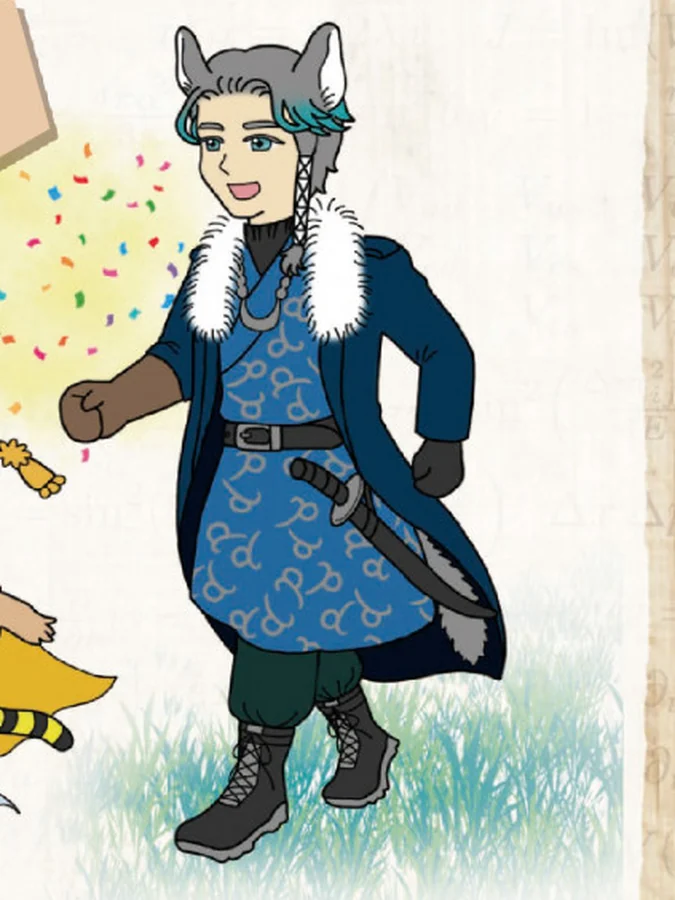
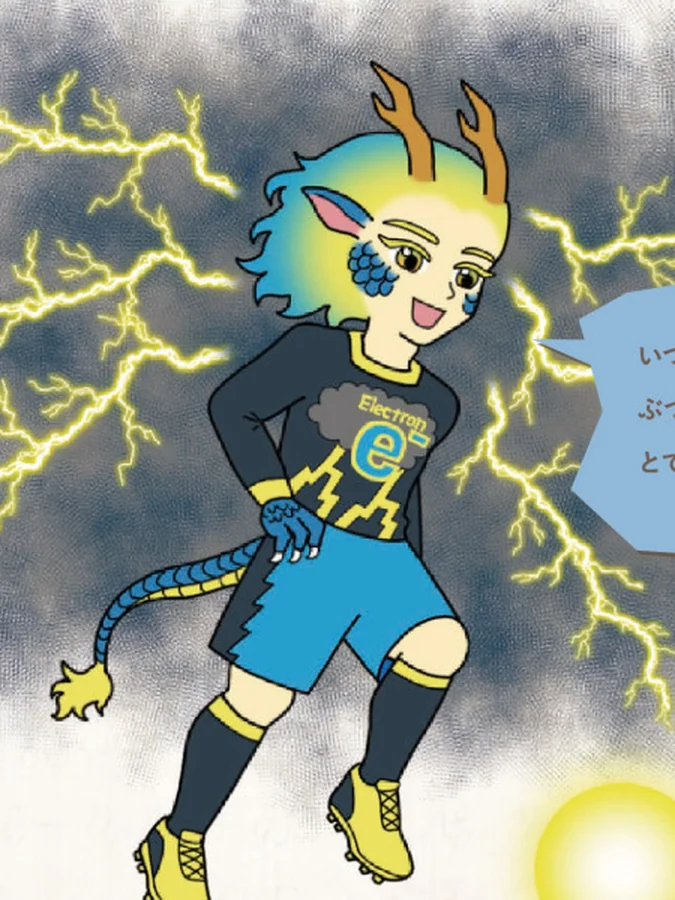
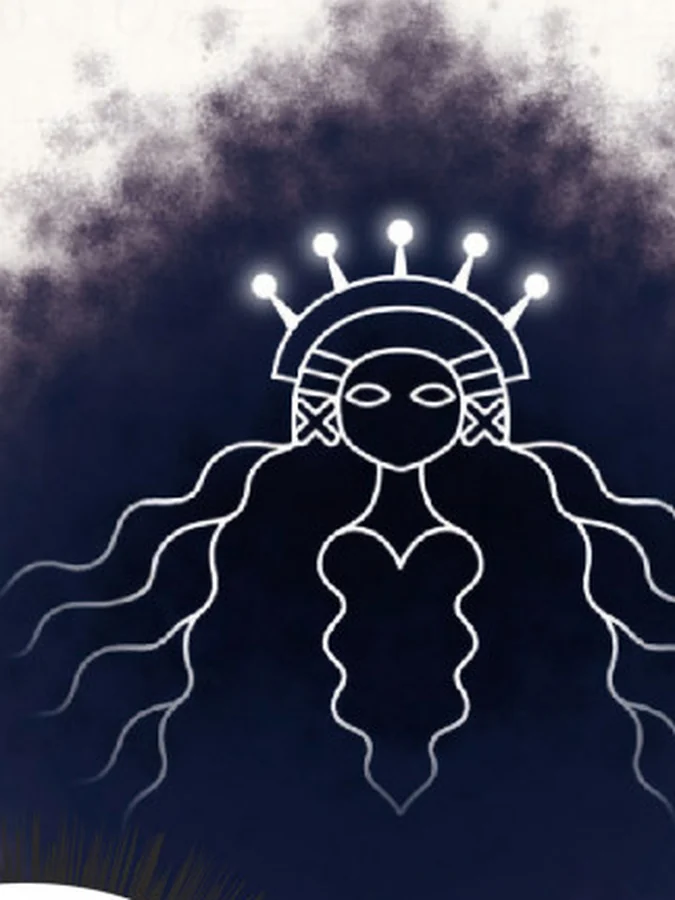
Character design by Yukimi Hashimoto, who is also a researcher of ancient Egyptian culture.
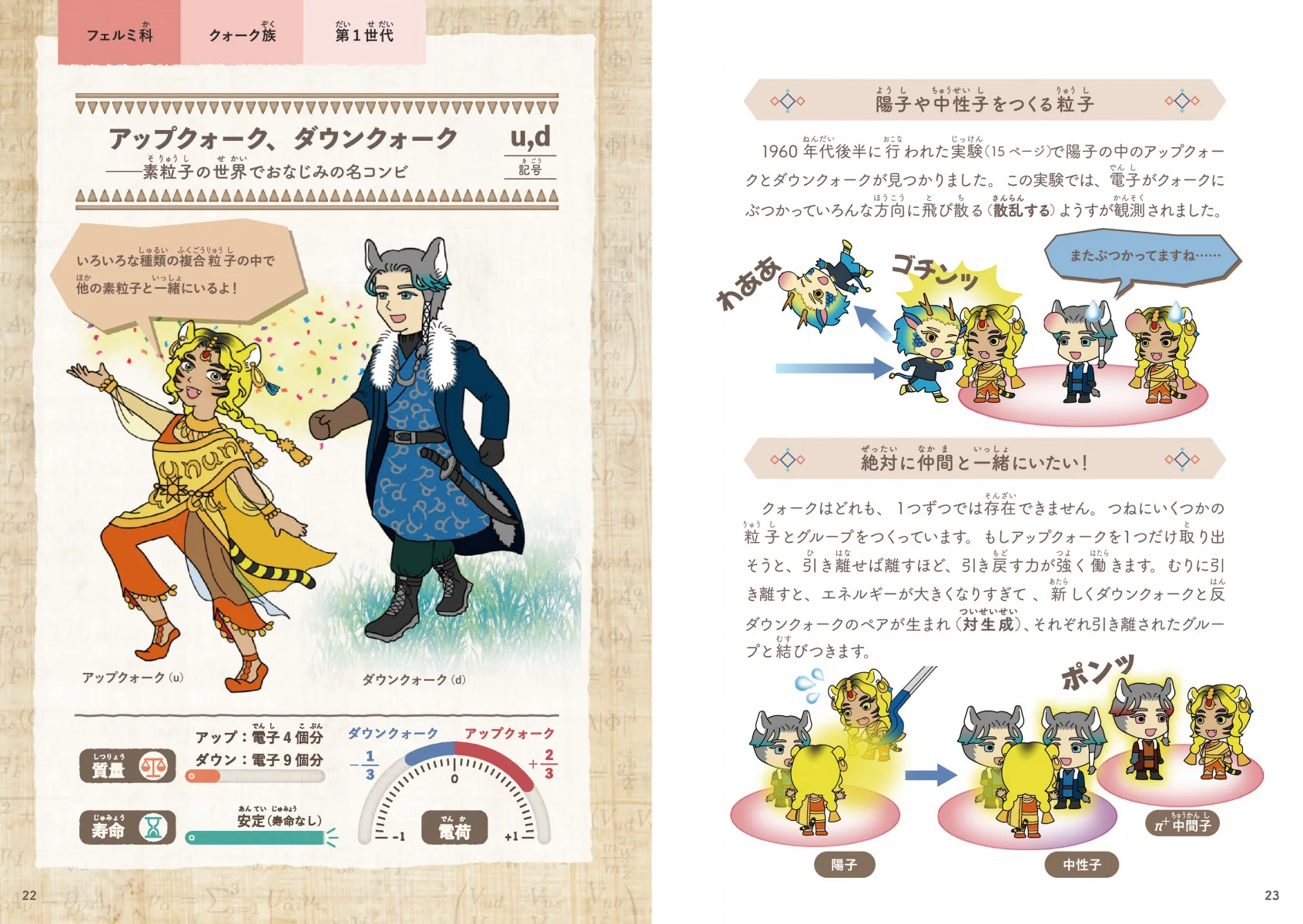
The guide covers the six quarks (up, down, strange, charm, bottom, top), the leptons (electron, muon, tauon, neutrino), and the gauge and scalar bosons (gluon, photon, W and Z, Higgs) — seventeen in all. Each name carries a tagline — the quark pair are introduced as “the famous double act of the particle world” — and the characters speak for themselves. Every entry follows the same shape: meet the character on the left page, then get the physics in comics and diagrams on the right.
Thirty-two columns behind the characters
Between the character pages sit 32 columns: the birth of the universe, antimatter, particles that appear out of “nothing”, Schrödinger’s cat, the electromagnetic spectrum and how to read a Feynman diagram. Further on come Super-Kamiokande and IceCube, sending neutrinos 300 km across Japan, particle physics in medicine, the particle reactions inside a thunderstorm, gravitational-wave observation, quantum teleportation and quantum computing.
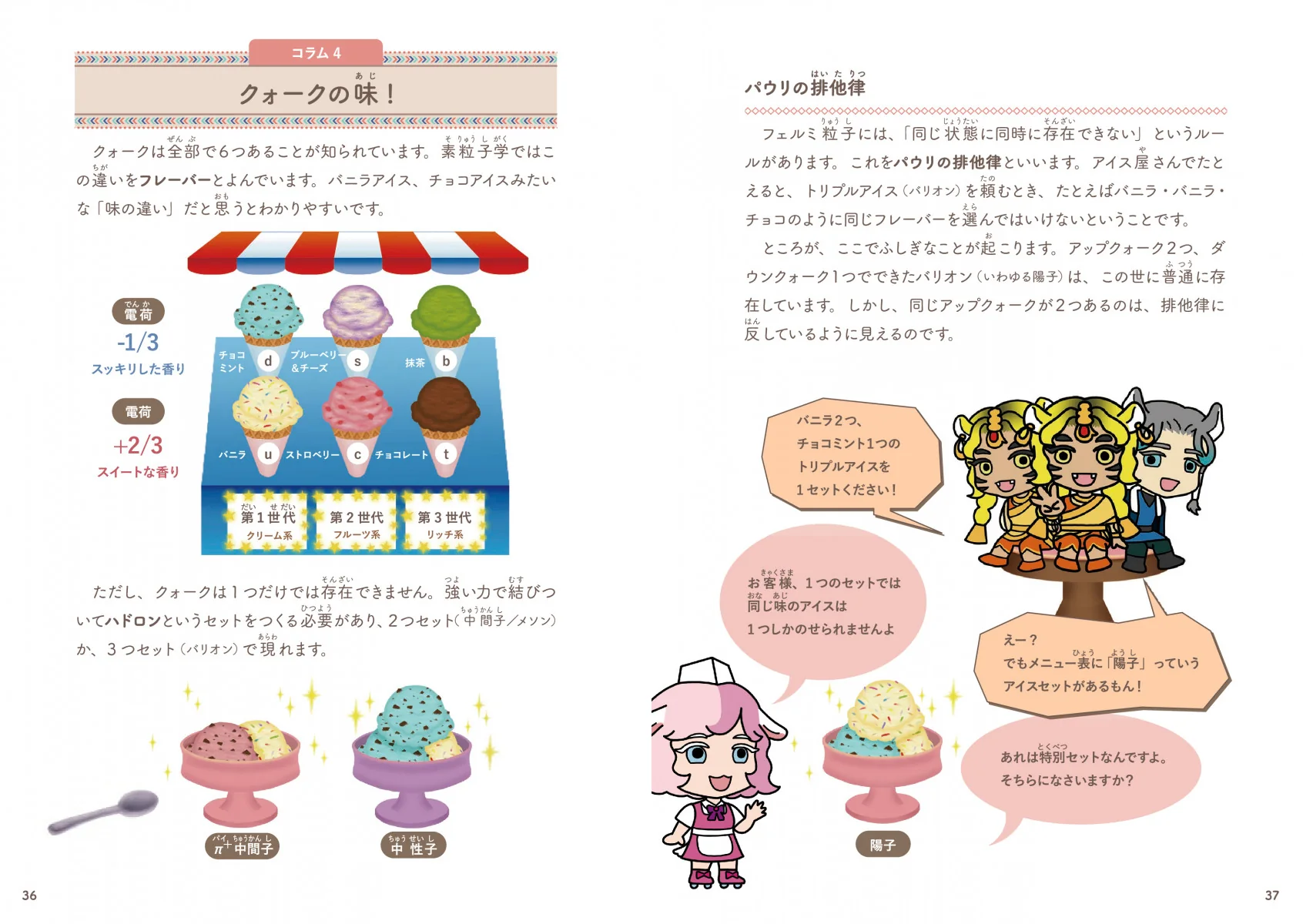
The harder the idea, the more homely the analogy. The six quark flavours are served as ice cream: the three with charge −1/3 are mint choc chip, blueberry-and-cheese and matcha; the three with +2/3 are vanilla, strawberry and chocolate, with the three generations arranged on separate tiers. Even the Pauli exclusion principle — no two identical fermions in the same state — arrives as a rule at the ice-cream counter: only one scoop of each flavour per set.
Giving a face to what has not been found
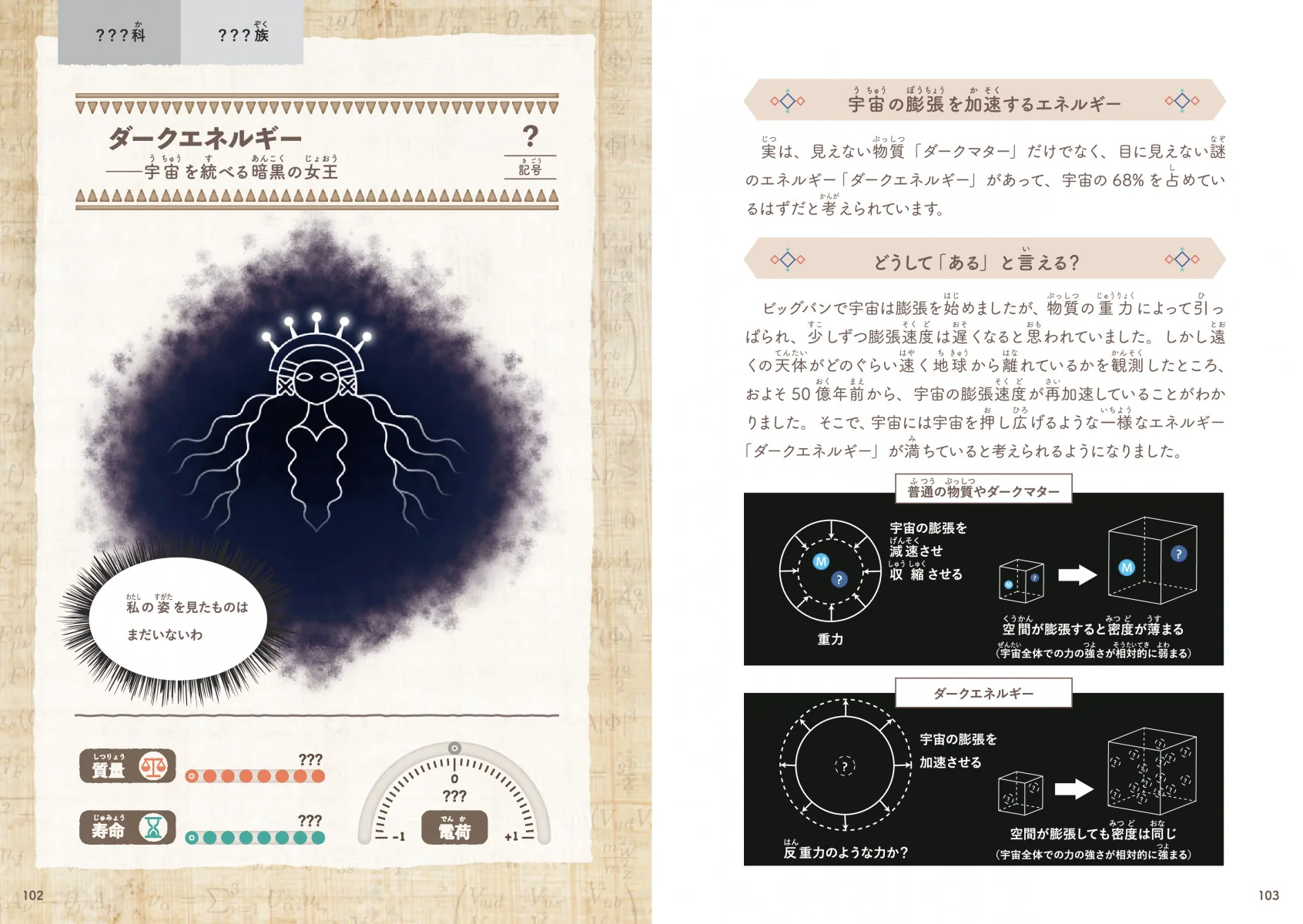
The final chapter of Part 2 belongs to particles that are undiscovered or purely hypothetical: dark matter, dark energy, the graviton and the tachyon.
Going to meet real particles, after the book is closed
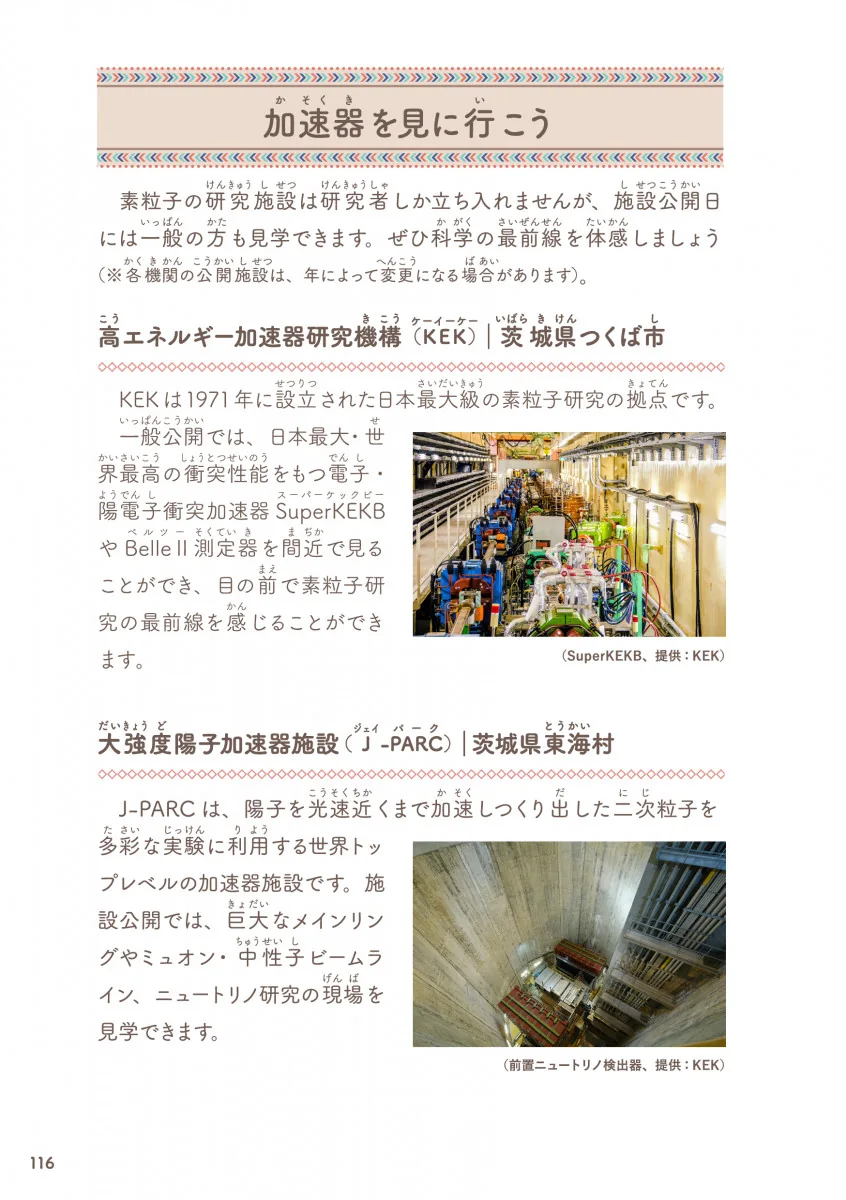
Part 3, “Go and meet the particles”, is written for what happens next. “Visit an accelerator” explains that facilities normally closed to everyone but researchers open to the public on set days, with photographs and locations for each. Four are covered: KEK in Tsukuba, Ibaraki (founded 1971; the SuperKEKB collider and the Belle II detector), J-PARC in Tokai, Ibaraki, Super-Kamiokande in Kamioka, Gifu (1,000 m underground), and the RI Beam Factory at RIKEN, where the linear accelerator RILAC produced element 113, nihonium, and the superconducting ring cyclotron SRC can be seen on open days.
Accel Kitchen lends particle detectors to secondary-school students free of charge and supports their research in partnership with research institutes. More than 300 detectors have been lent out so far, supporting the work of over 200 students. This book is the doorway to that programme: meet the characters in the guide, follow the physics through the columns, then go and measure something yourself in Part 3 — and from there, the Accel Kitchen programme takes over.
About the authors
Kazuo Tanaka was born in 1986 and holds a PhD from the Graduate School of Arts and Sciences, the University of Tokyo. Drawing on his experience teaching in secondary schools, he founded Accel Kitchen LLC in 2020 to support student research in particle physics. Yukimi Hashimoto holds a master’s degree in history from Komazawa University, has taken part in three-dimensional surveys of archaeological sites, and works on historical supervision and museum art projects alongside her illustration.
Writing collaboration: Maiko Sudo (Kazahana) · Illustration assistance: Rika Hashimoto · Design and typesetting: Atsuki Nakajima (Bunzuanshitsu)
How the book is organised
Starting from how far matter can be divided, this part traces the successive discoveries of the atom, the nucleus, the proton and neutron, and the quark — along with how to read and write the very large and very small numbers physics depends on.
The heart of the book. After the map of the particle world and a guide to reading the entries come four chapters: quarks (up, down, strange, charm, bottom, top), leptons (electron, muon, tauon, neutrino), gauge and scalar bosons (gluon, photon, W and Z, Higgs), and undiscovered and hypothetical particles (dark matter, dark energy, graviton, tachyon), with 32 columns interleaved throughout.
Visiting an accelerator · measuring particles yourself · building a cloud chamber. A closing part written for what readers do after the book.
Accel Kitchen works to create a world in which anyone can explore space and particle physics under their own power, run mainly by university and graduate students from science, engineering and many other fields. The network has grown into the largest student particle-physics research network in the world. We distribute affordable, easy-to-use particle detectors to secondary-school students who want to measure particles and investigate the nature of the very small, and connect them with researchers and citizen-science projects around the world. accel-kitchen.com
About Accel Kitchen
Accel Kitchen lends particle detectors to secondary-school students free of charge and supports their research into space and particle physics in partnership with research institutes. More than 300 detectors have been lent out, supporting over 200 students. Participation is free.
Press contact
- Accel Kitchen LLC — Press office: Maiko Sudo
Tel: +81-3-4500-0403 / E-mail: info@accel-kitchen.com - High-resolution cover and interior images, author interviews and review copies can be arranged on request.
- Please direct sales and distribution enquiries to the publisher, Sogensha.