 1
1
DAY 0 · 5min
Send the application form
Your name, your school, and what you'd like to explore.
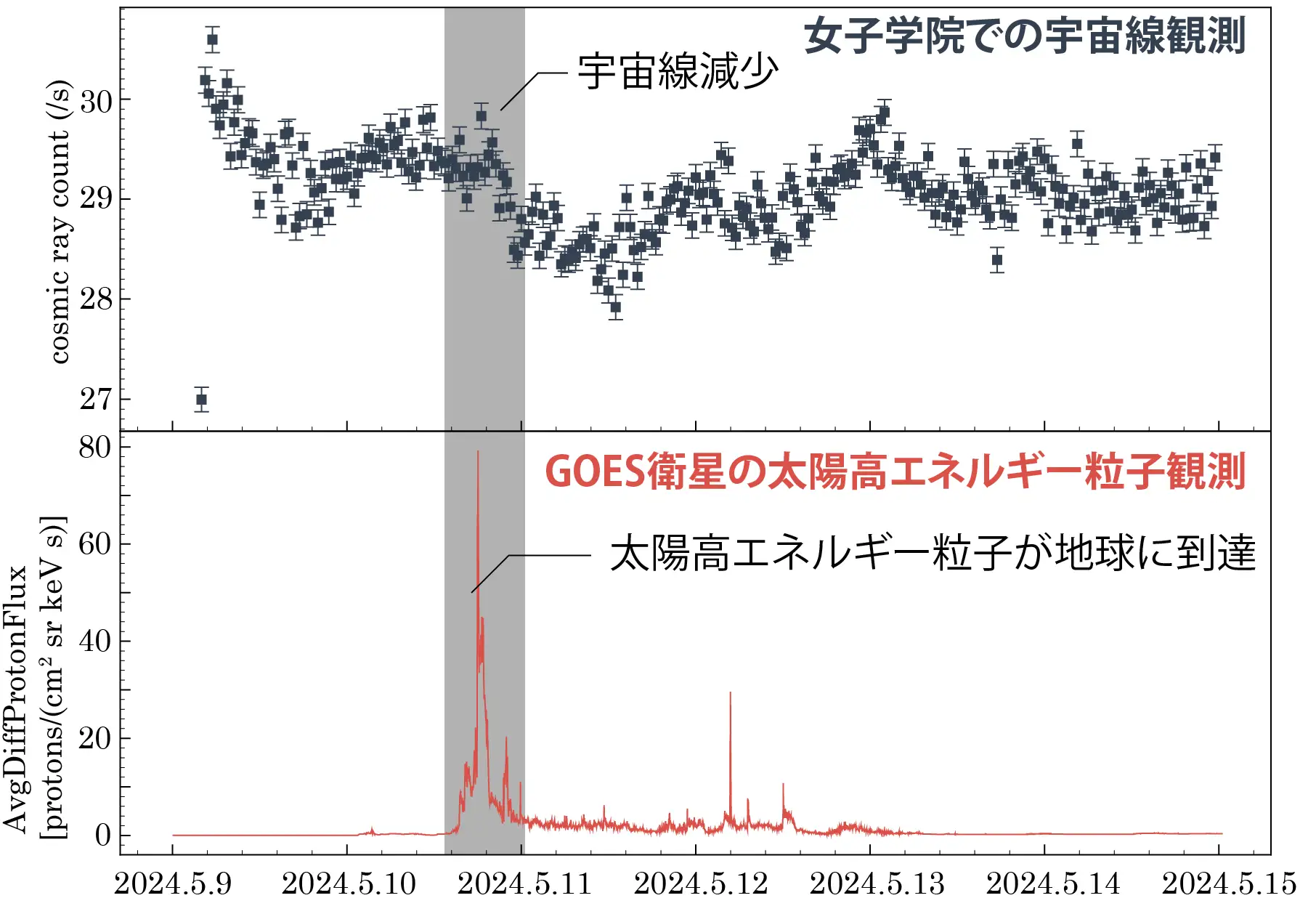
For the first few weeks, you get a feel for observation with a ready-made theme — the "cosmic-ray observation trial."
After that, you move on to research on your own theme.
Staff, mentors and researchers support you continuously at every stage.
1
 2
2
 3
3
 4
4
 5
5
 6
6
 7
7
A case of presenting at a conference in year one, then an accelerator experiment and a paper submission in year two.
After applying, an online meeting with staff to hear what you'd like to explore.
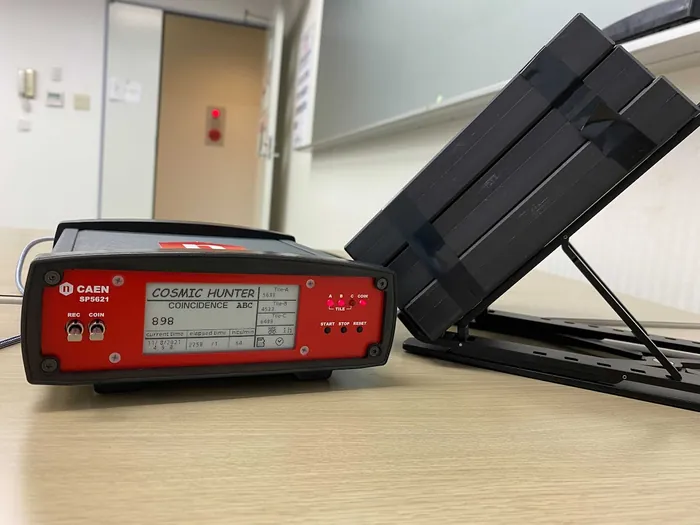
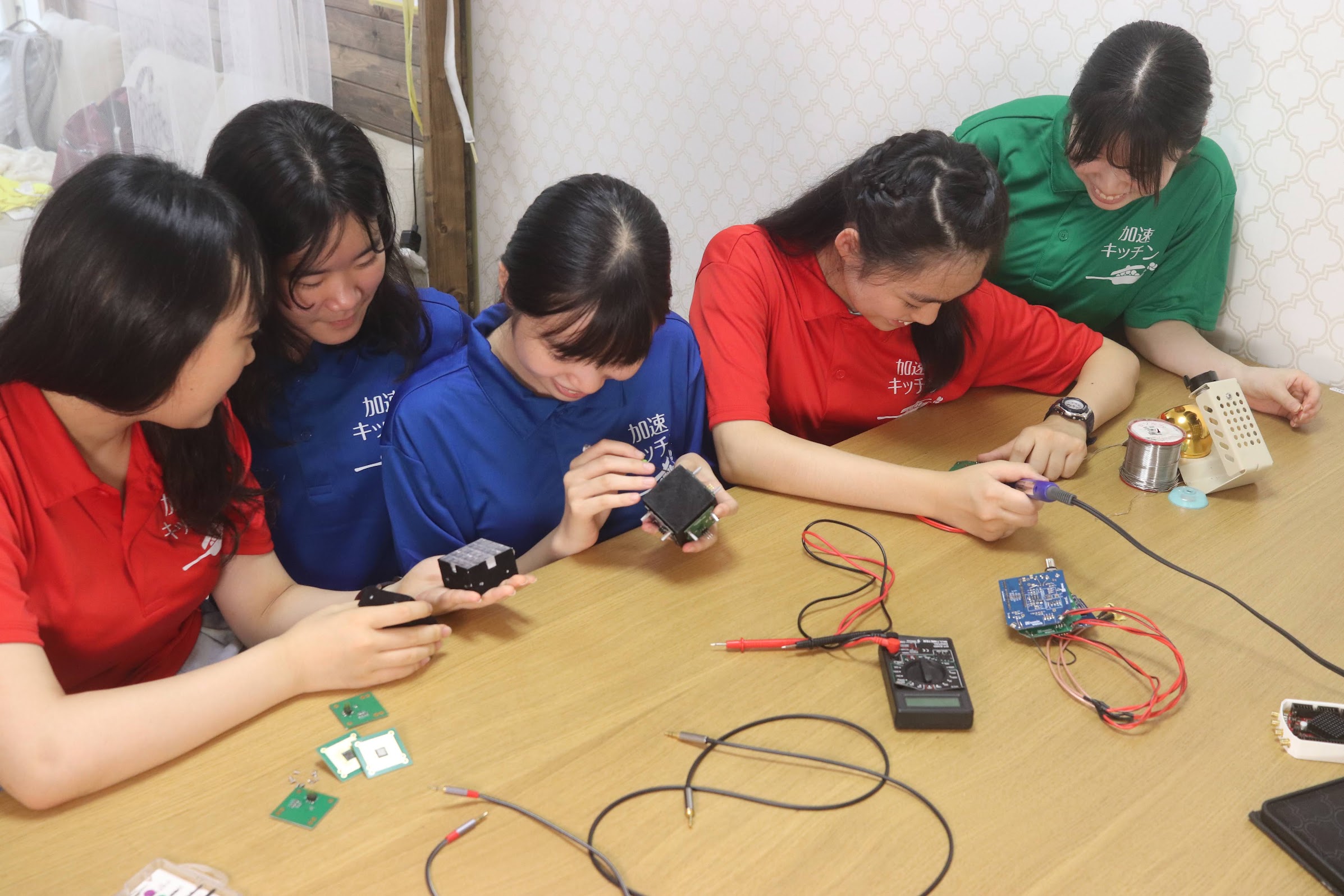
Receive the cosmic-ray detector and try measuring how the cosmic-ray rate changes with elevation angle.
A theme takes shape: "Build my own Cherenkov detector and observe cosmic rays!"
Source acrylic parts and build your own Cherenkov detector at an in-person workshop. Plus tests with a radioactive source.
Measure the angular dependence of cosmic rays. Share data with students nationwide at the online meetup.
Present results at HSRC and write a year-end report summarizing your research so far.
An oral talk at the Physical Society of Japan, and meeting peers nationwide at the in-person meetup.
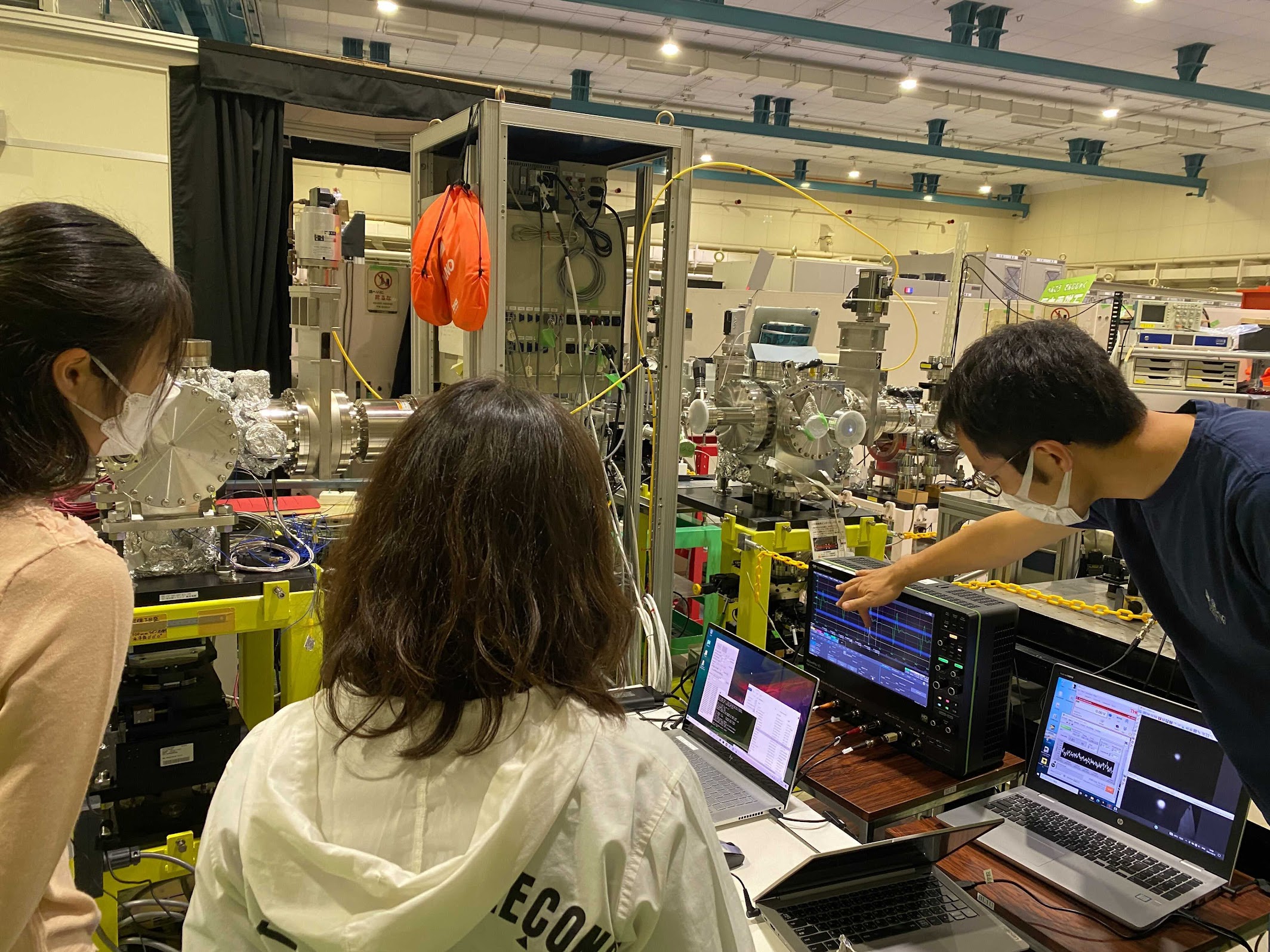
Apply for and win J-PARC beam time, run the experiment, then write and submit a paper.
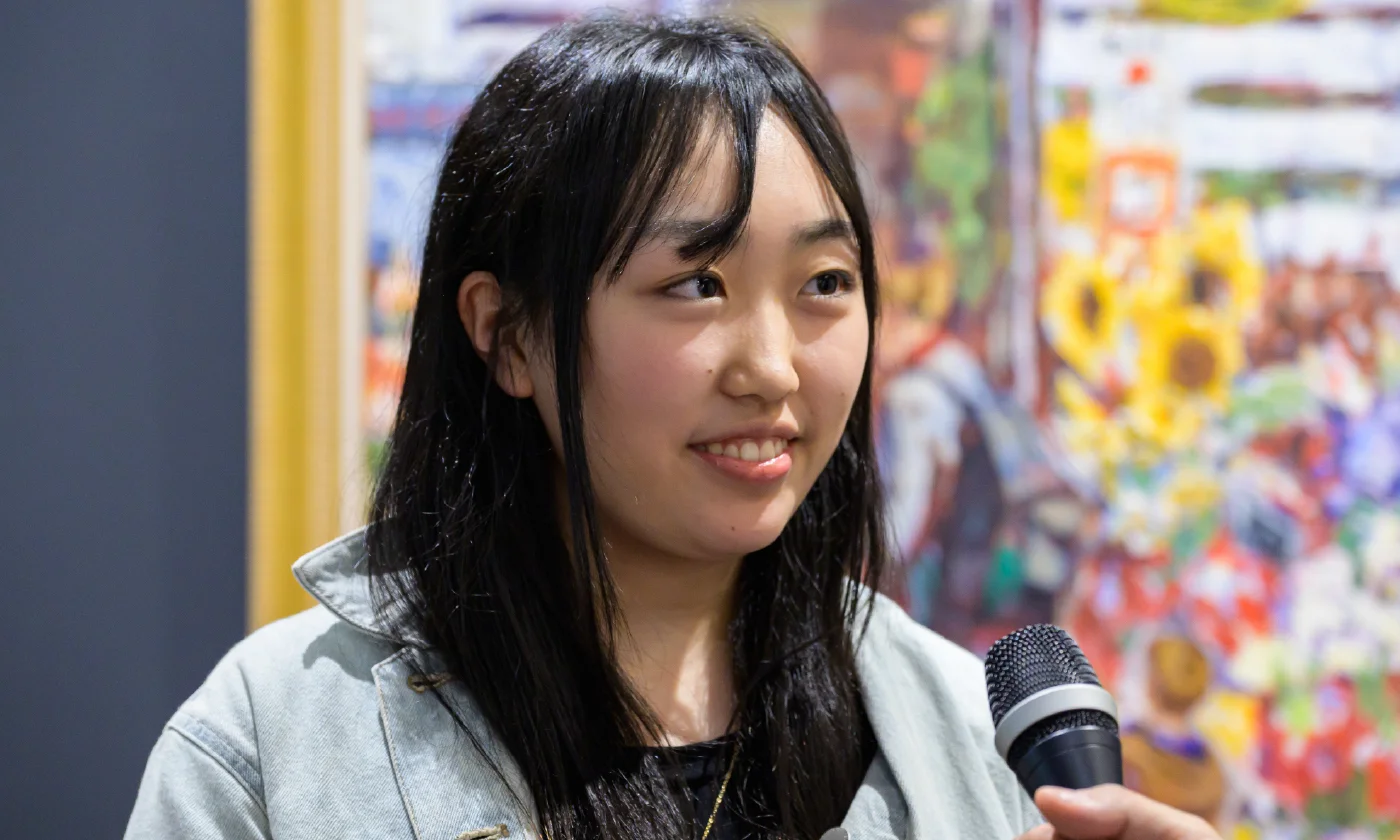 Chihori Matsushita / Junior high 2 (2021)–High school 3 (2025) Joshi Gakuin / entering Institute of Science Tokyo in 2026
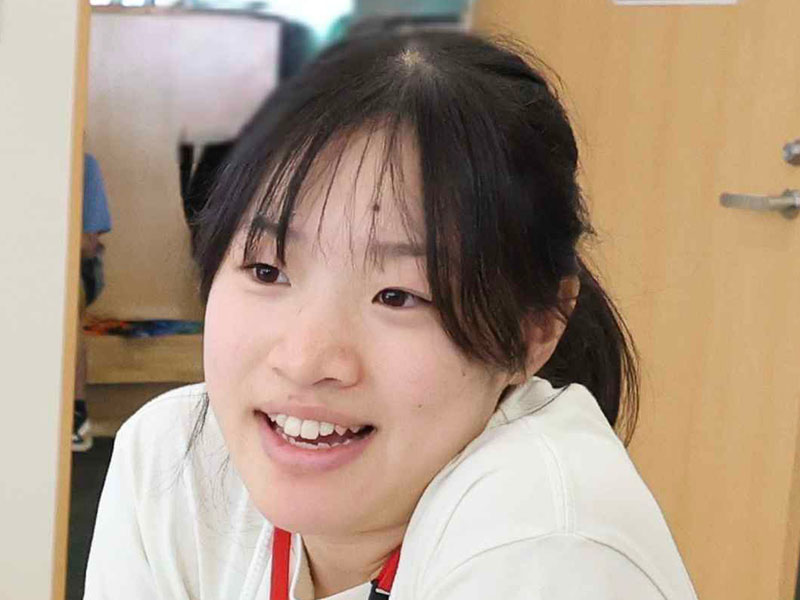 Kanon Kawamichi / Junior high 1 (2023)–High school 1 (2026) / Aichi / Nagoya Univ. affiliated junior & senior high
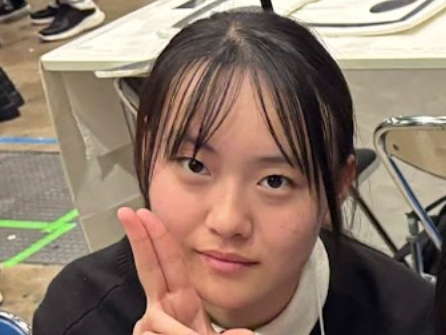 Natsume Hamamoto / KOSEN year 1 (2024)–year 3 (2026) / Ibaraki / Ibaraki KOSEN
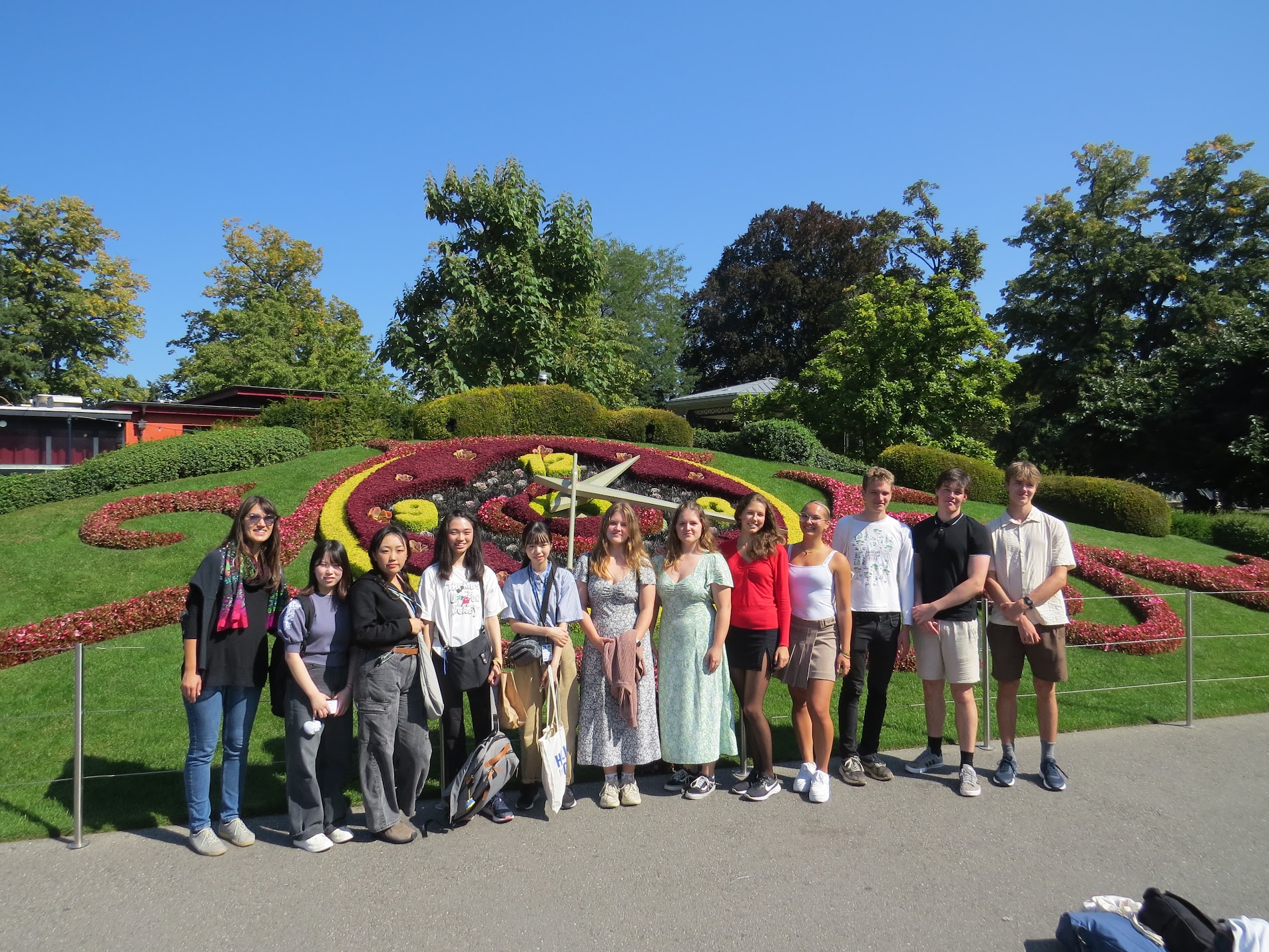
From building and measuring at home to joint experiments at domestic accelerator facilities and overseas research institutes.
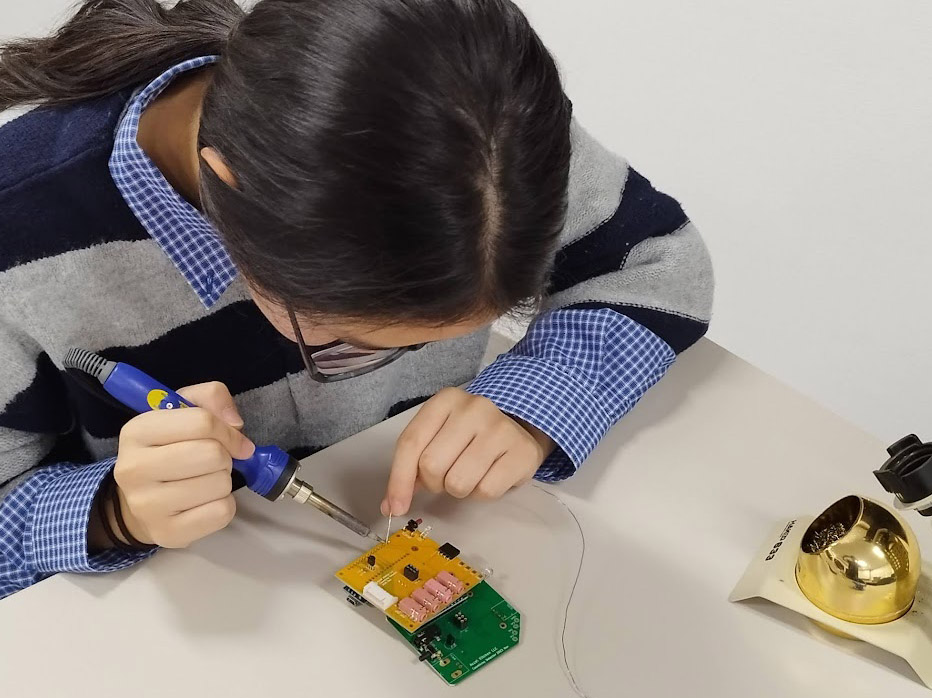
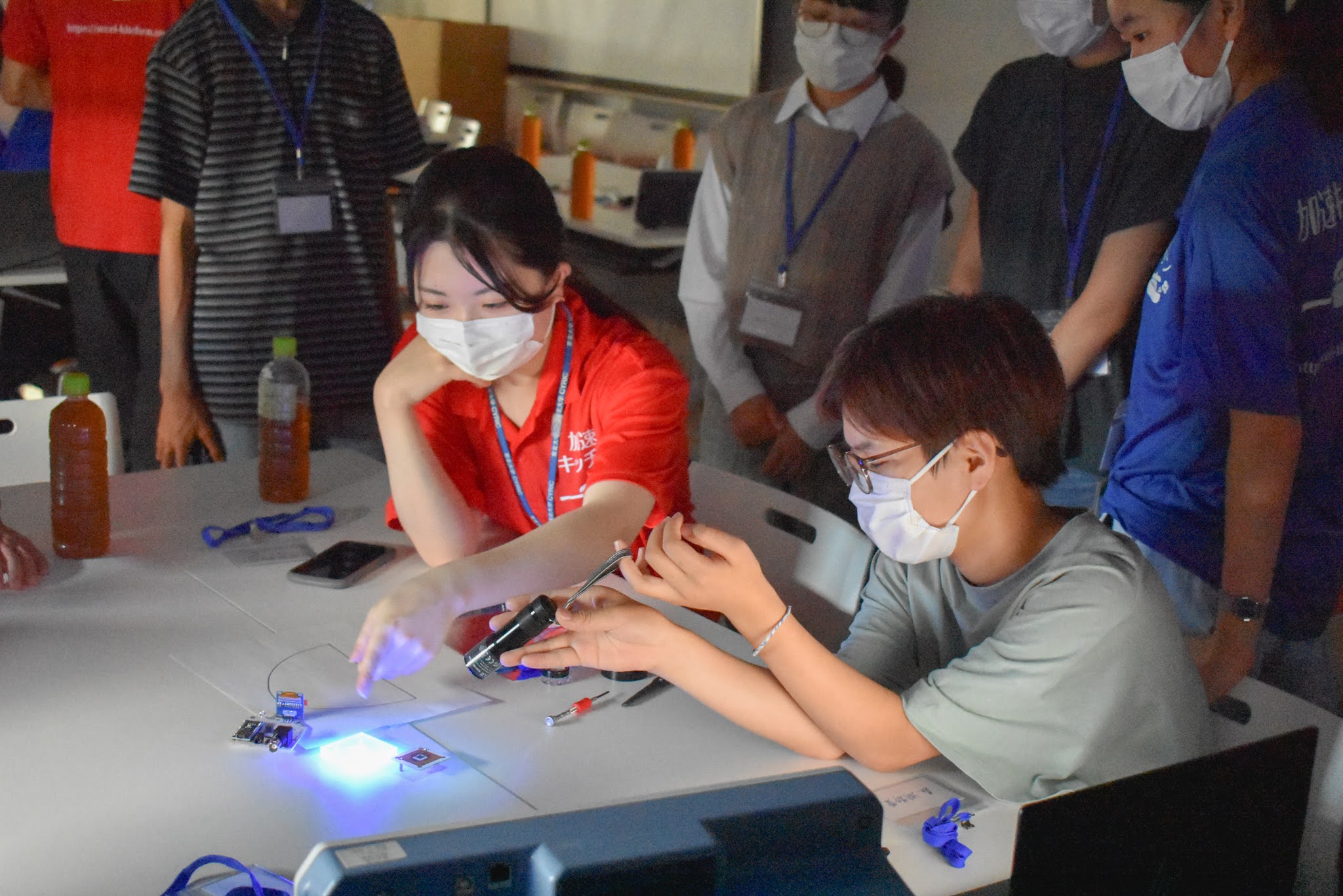
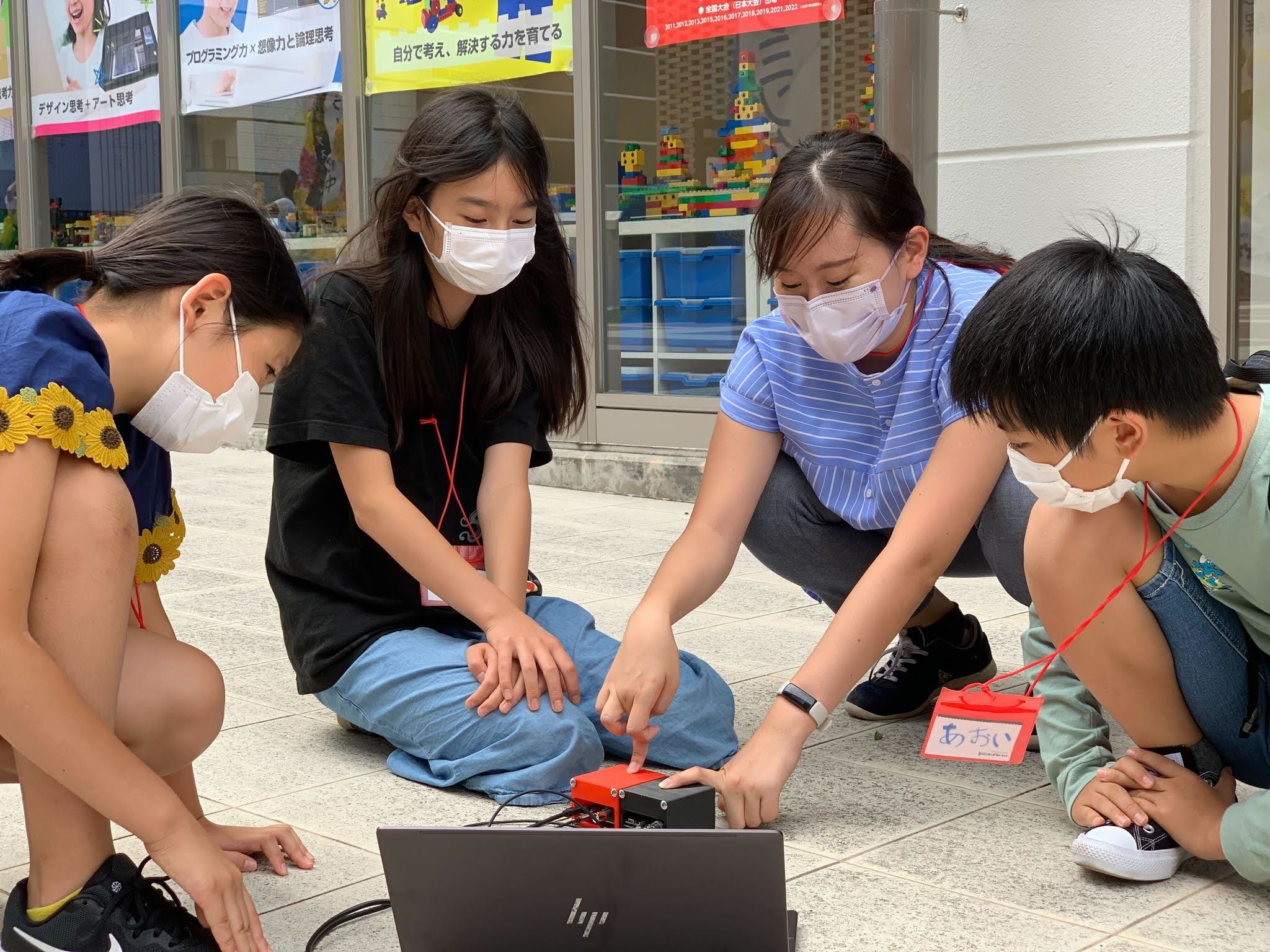
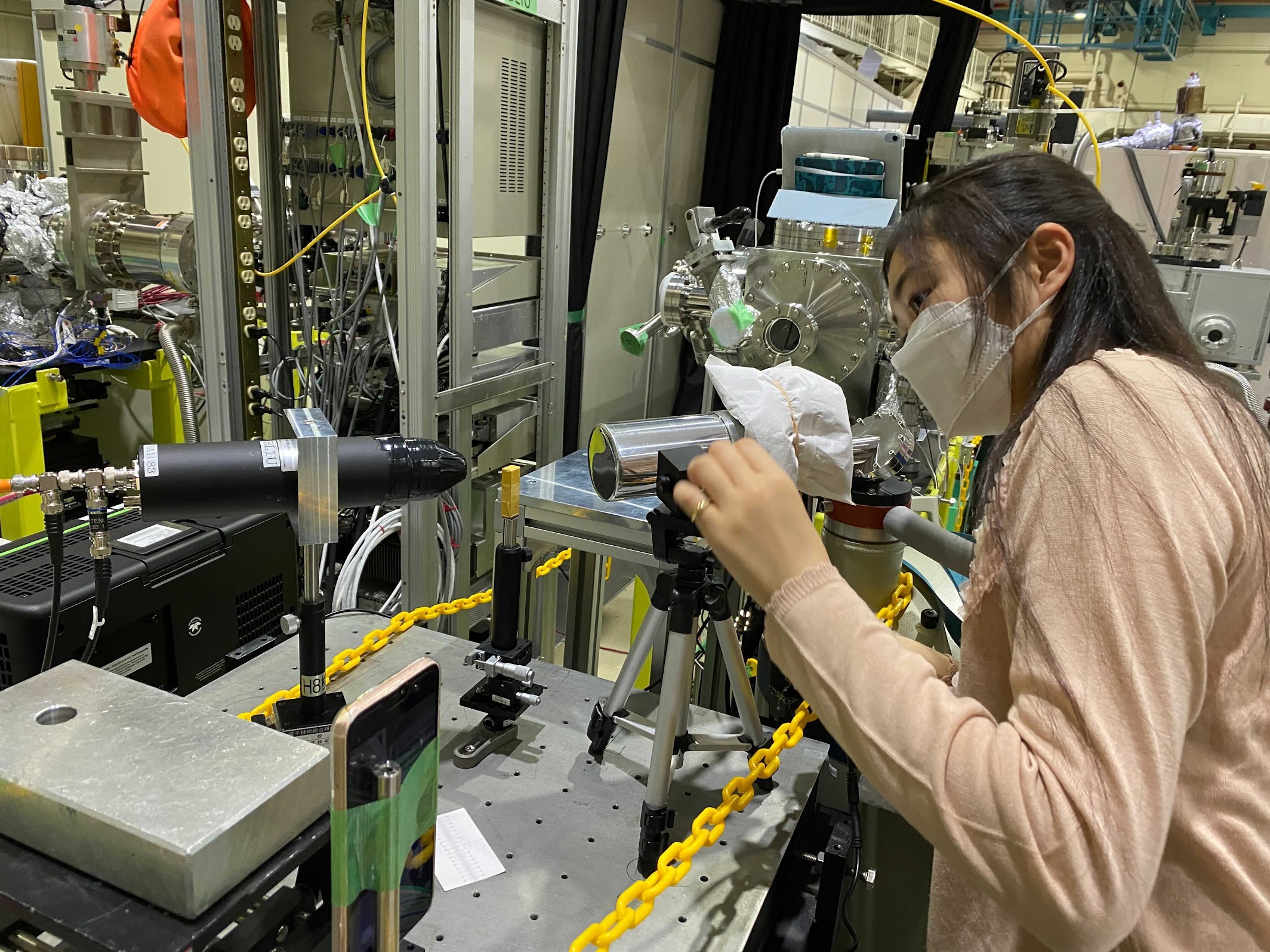
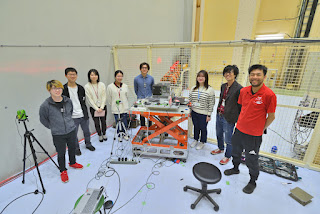
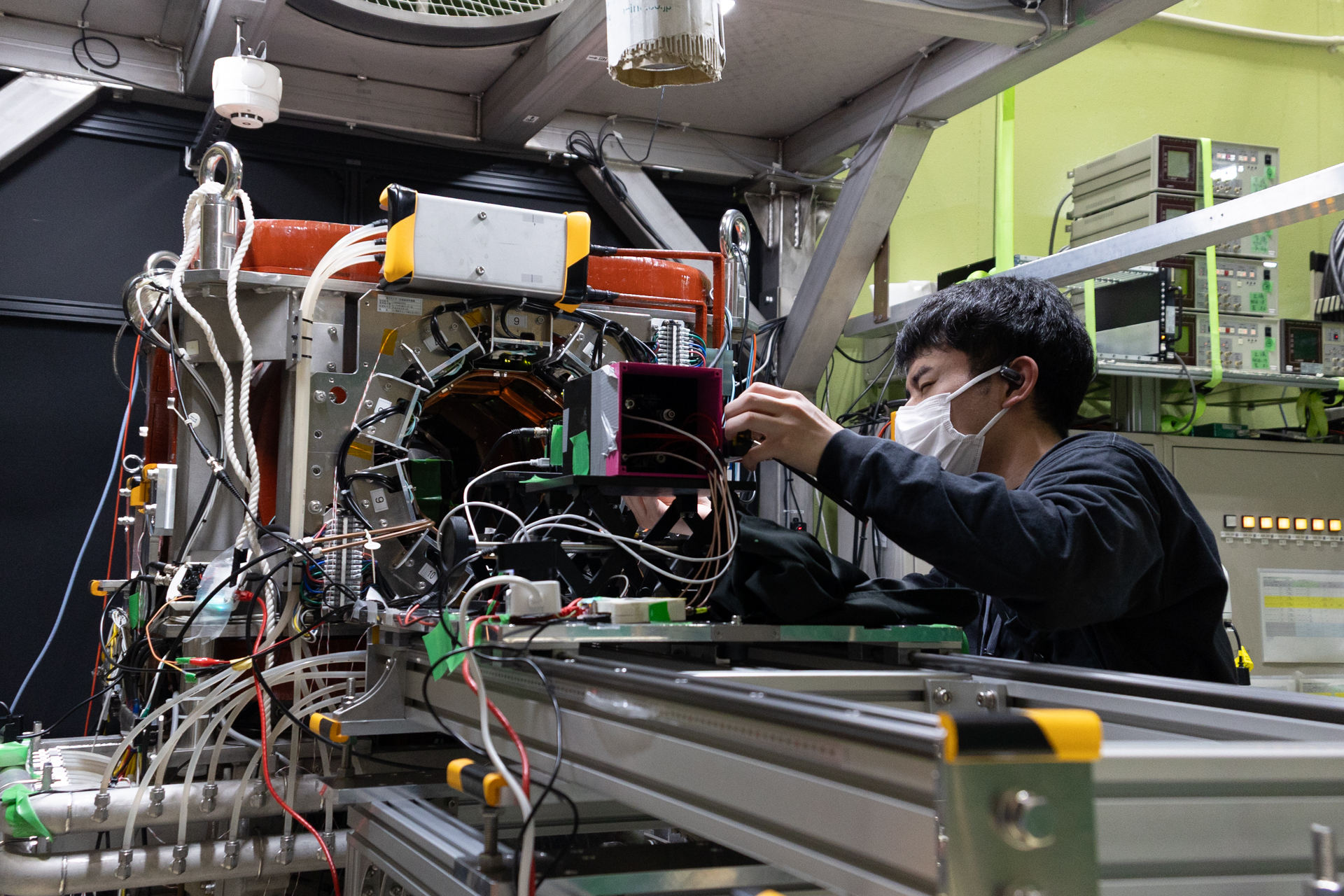
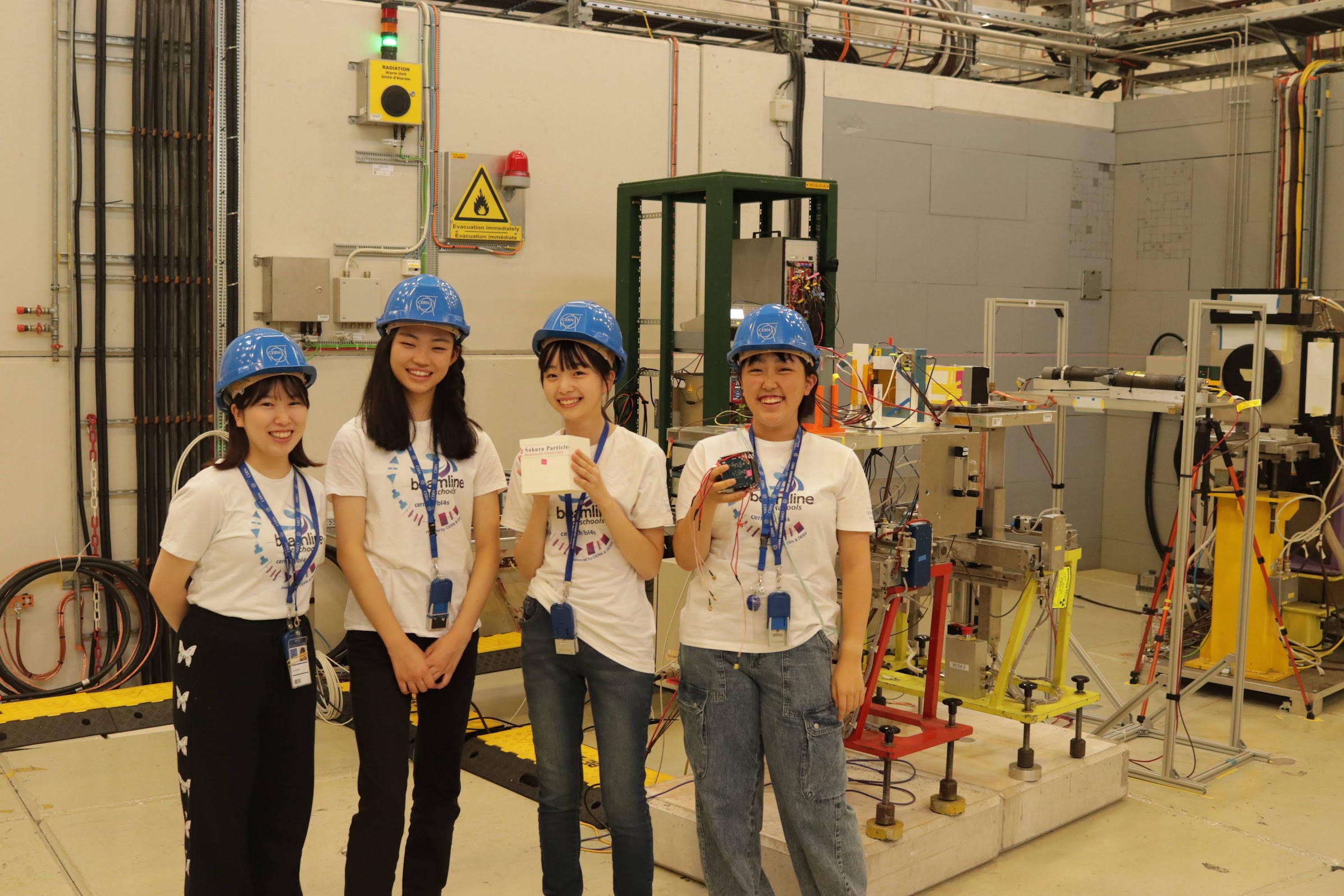
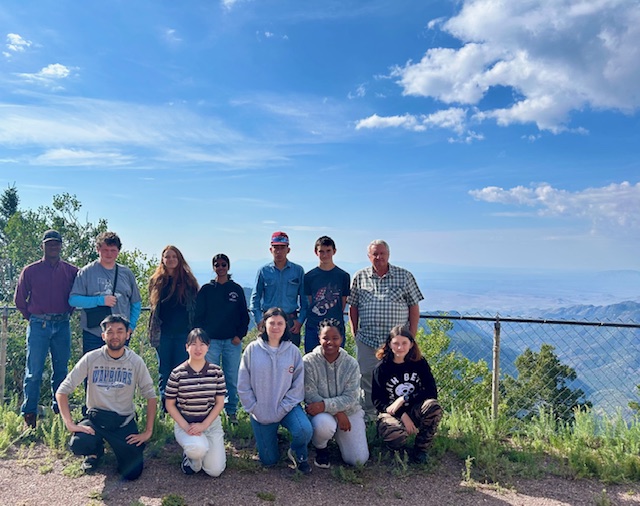
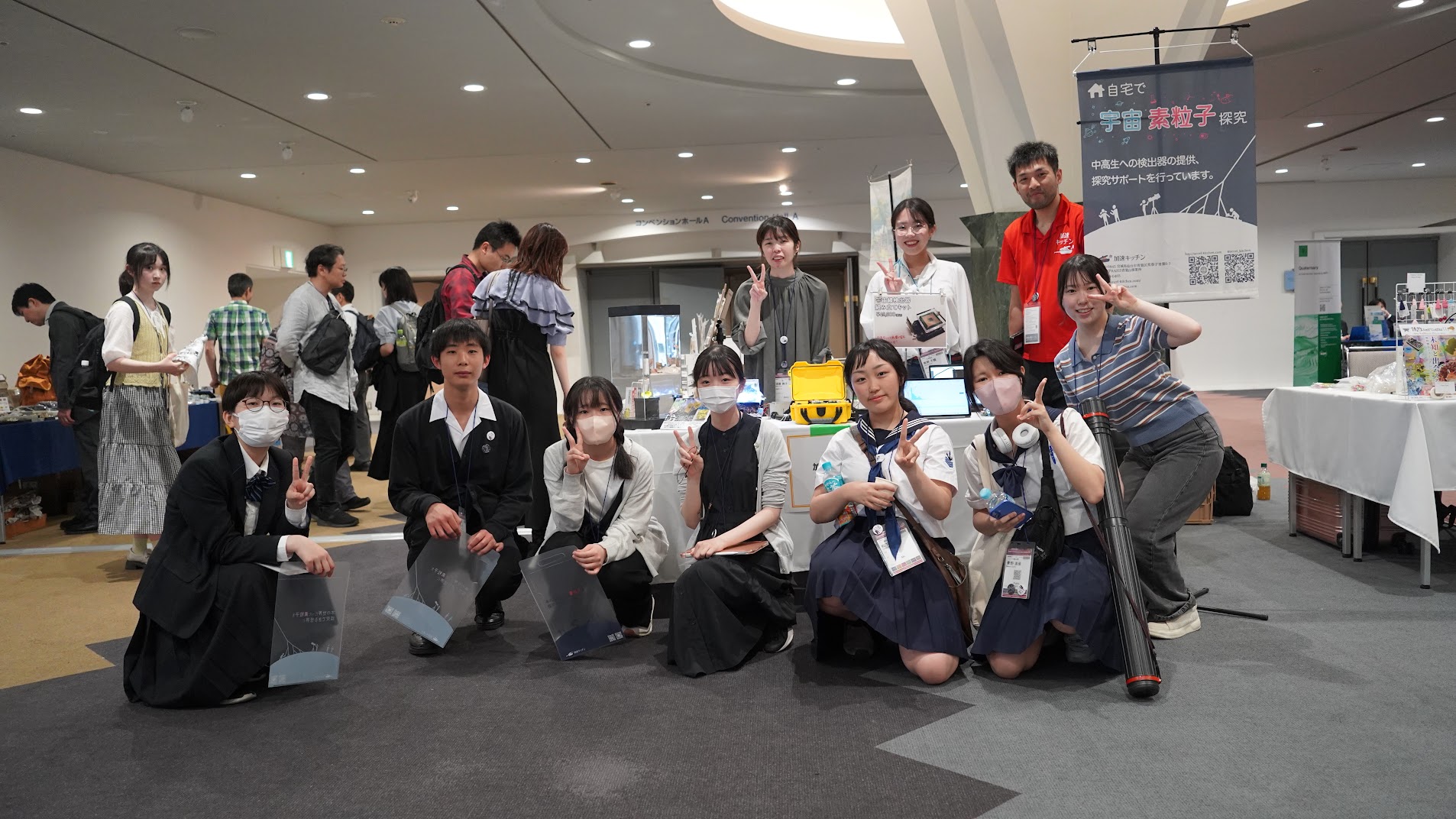
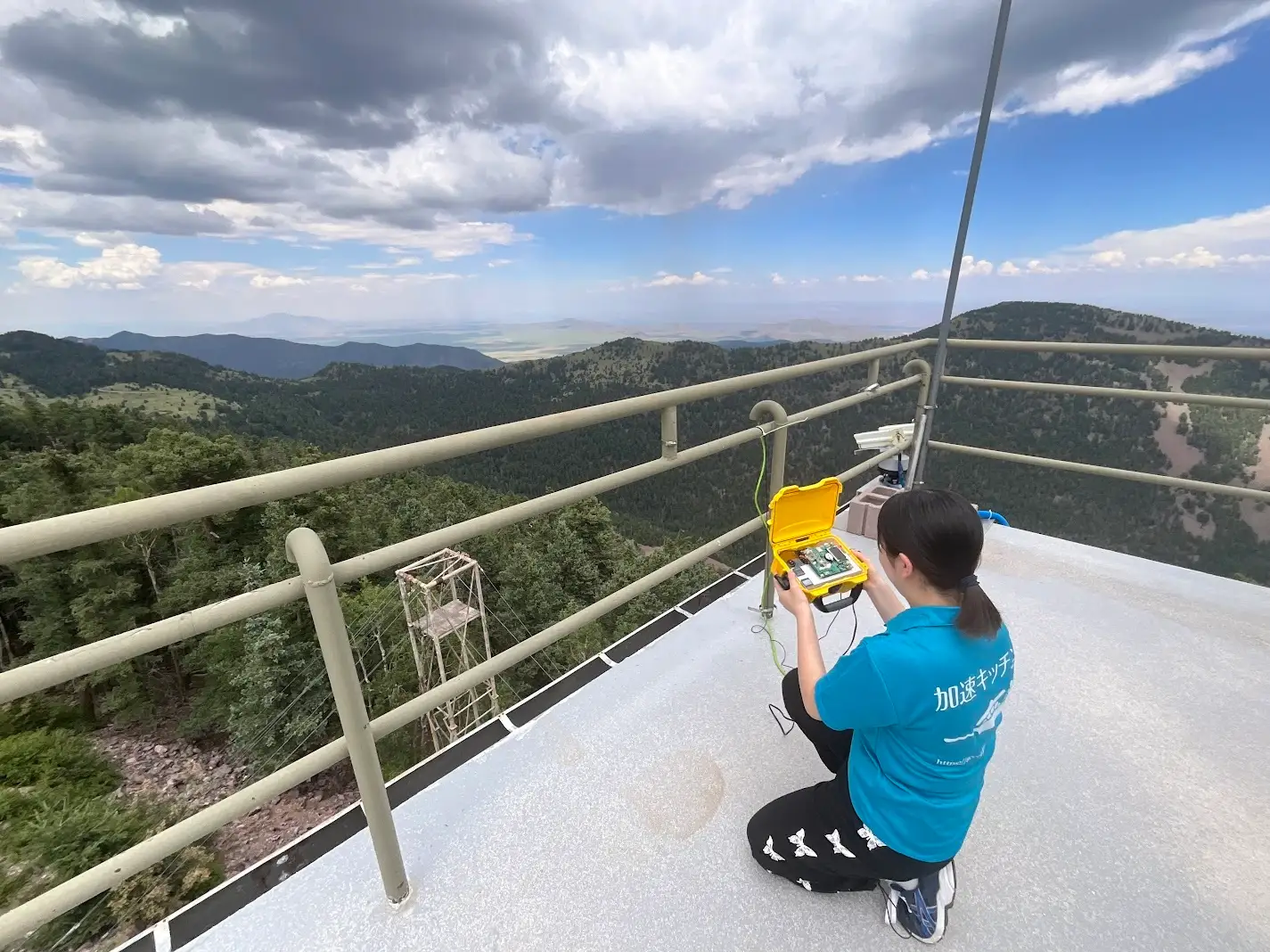
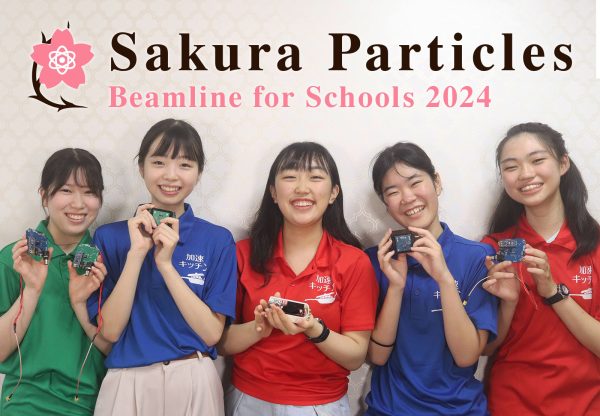
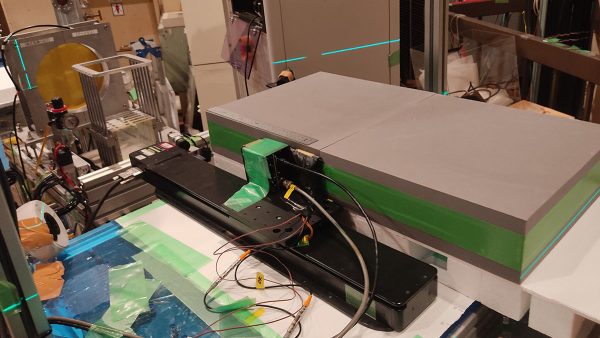
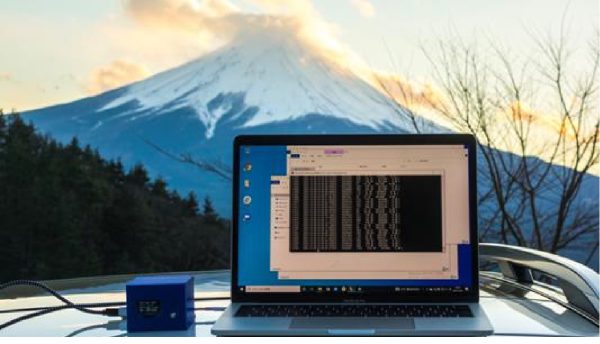
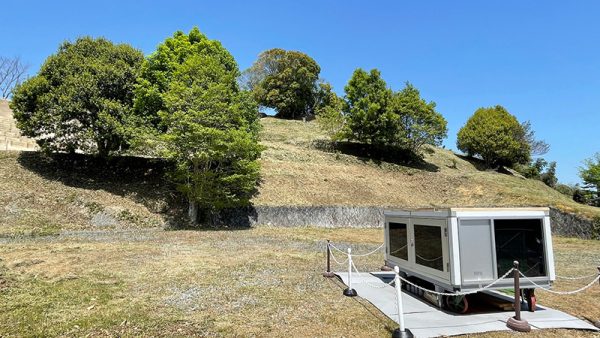
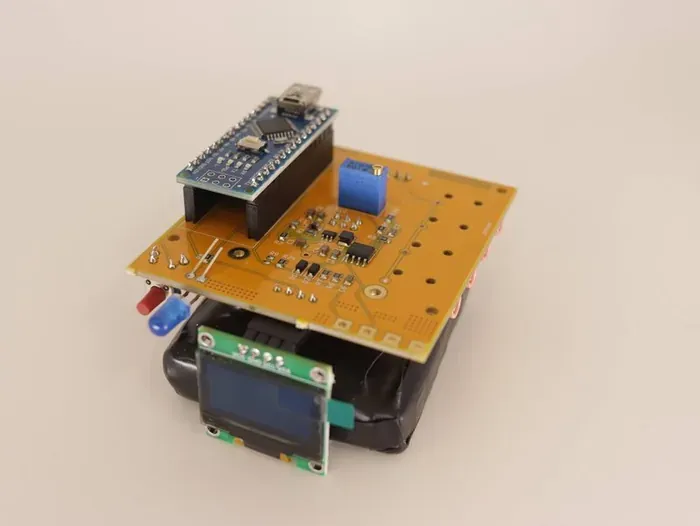
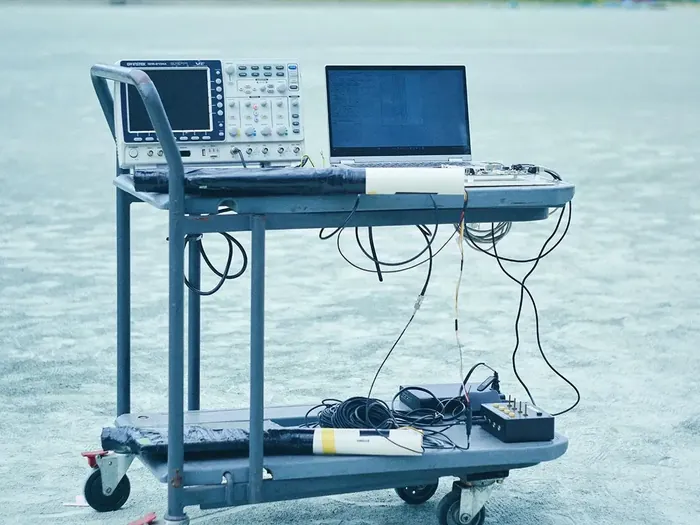
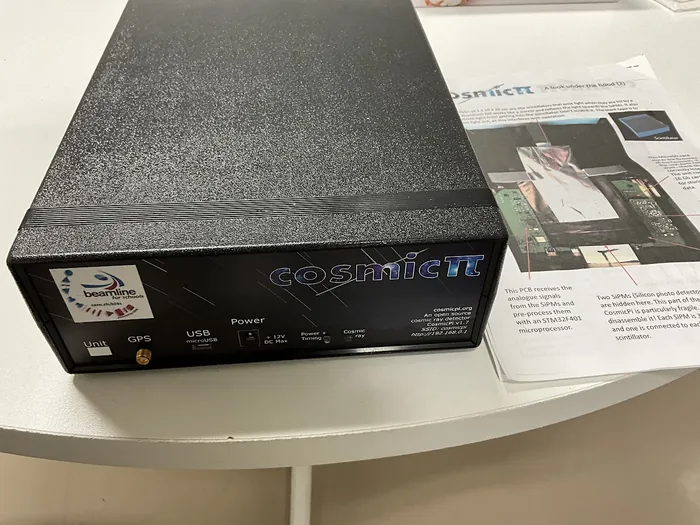
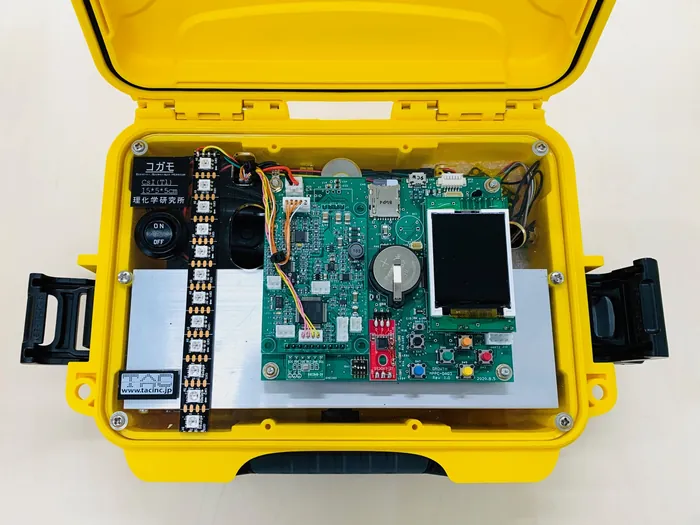
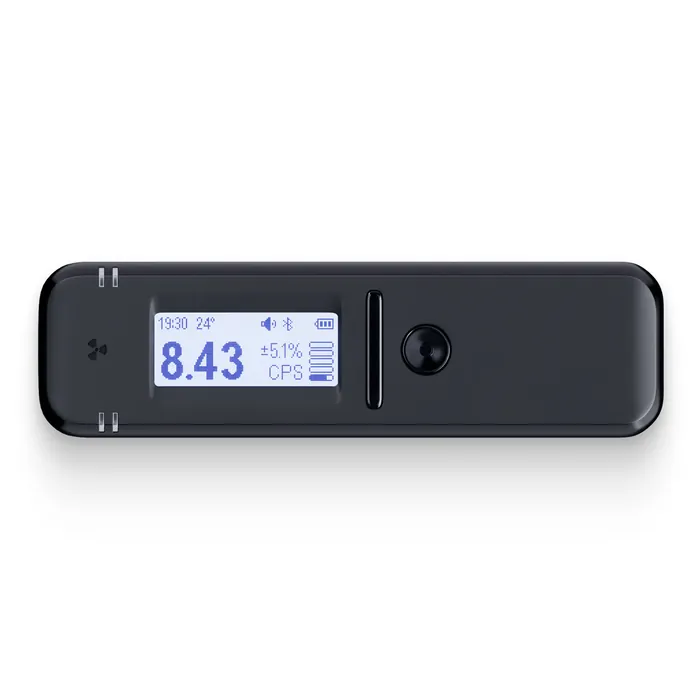
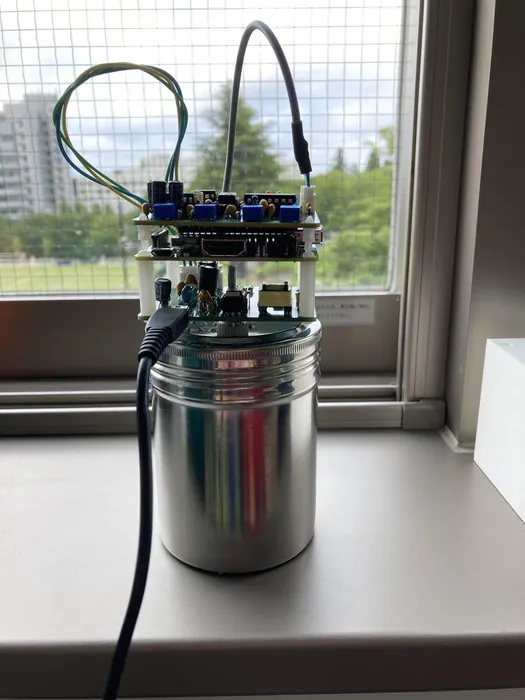
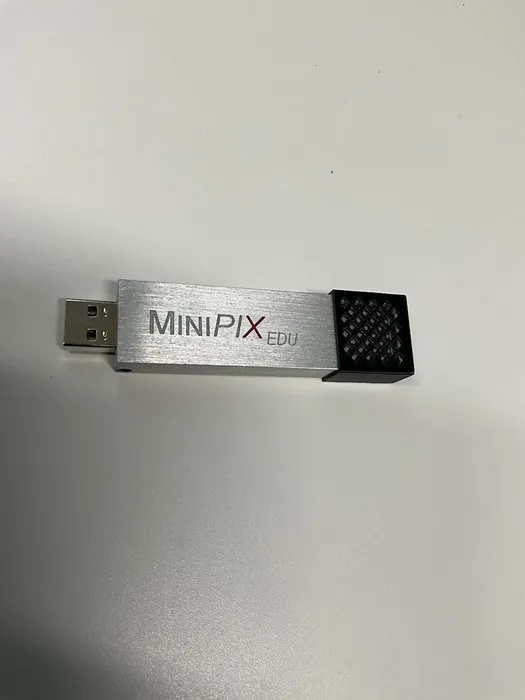
Beyond the detectors Accel Kitchen builds and develops, we lend out a wide range — from commercial units to ones used in real research. Counting muons, measuring gamma rays, imaging particle tracks: you can use their different strengths to design your own research theme.
Researchers in radiation- and particle-related fields support us as advisors.
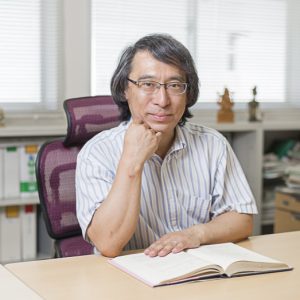
Graduate School of Science, University of Tokyo
Center for Nuclear StudyProfessor / Director
“ The particle- and nuclear-physics research students do at Accel Kitchen is of high academic value, and a precious chance to touch cutting-edge science. ”
By immersing themselves in serious research — building instruments and more — students can take a first step toward becoming physicists who will carry the future of basic science.
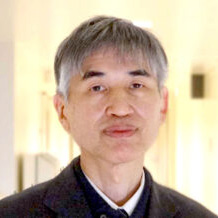
Tohoku University
Cyclotron and Radioisotope CenterProfessor / Director
“ Accel Kitchen was born at Tohoku University's Cyclotron and Radioisotope Center, and we have collaborated since FY2022 on student radiation research. ”
Experiments using our large cyclotron accelerator and more will be a precious opportunity for students.
Co-hosted by CERN & DESYcern.ch / bl4s
Cyclotron and
International Particle Physics
Outreach Groupsince 1997

Funds this program's operating costsMitsubishi Mirai Ikusei
We've summarized the information you need to decide — cost, safety, balancing with entrance exams, how schools are involved, and more — for both parents and teachers.
It takes about five minutes. No detailed statement of purpose is needed — just your name, school and what interests you.
For the first few weeks you practice observation with a ready-made theme, then move on to research on your own theme.