 1
1
BUILD · 50 min
Assembling the detector
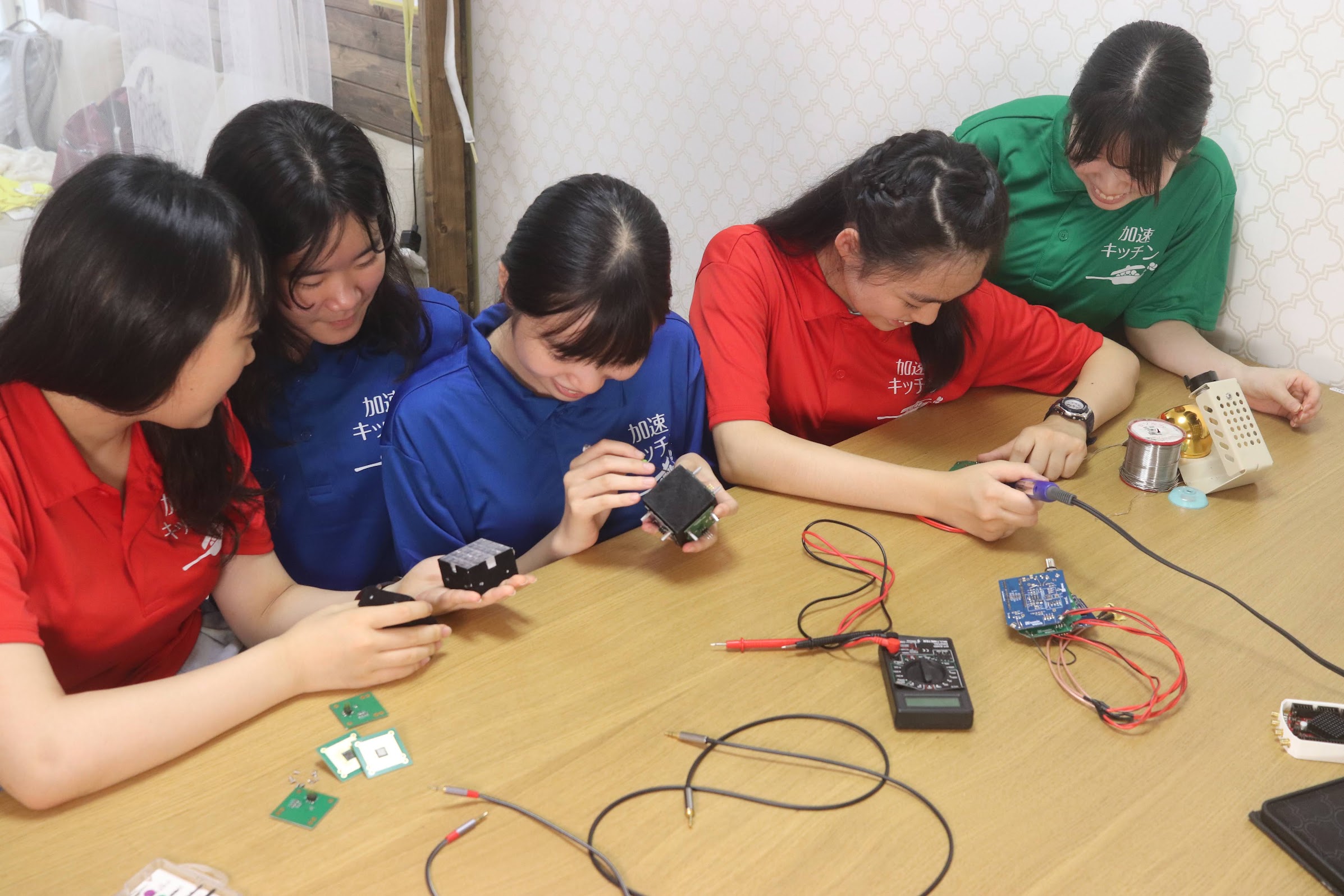
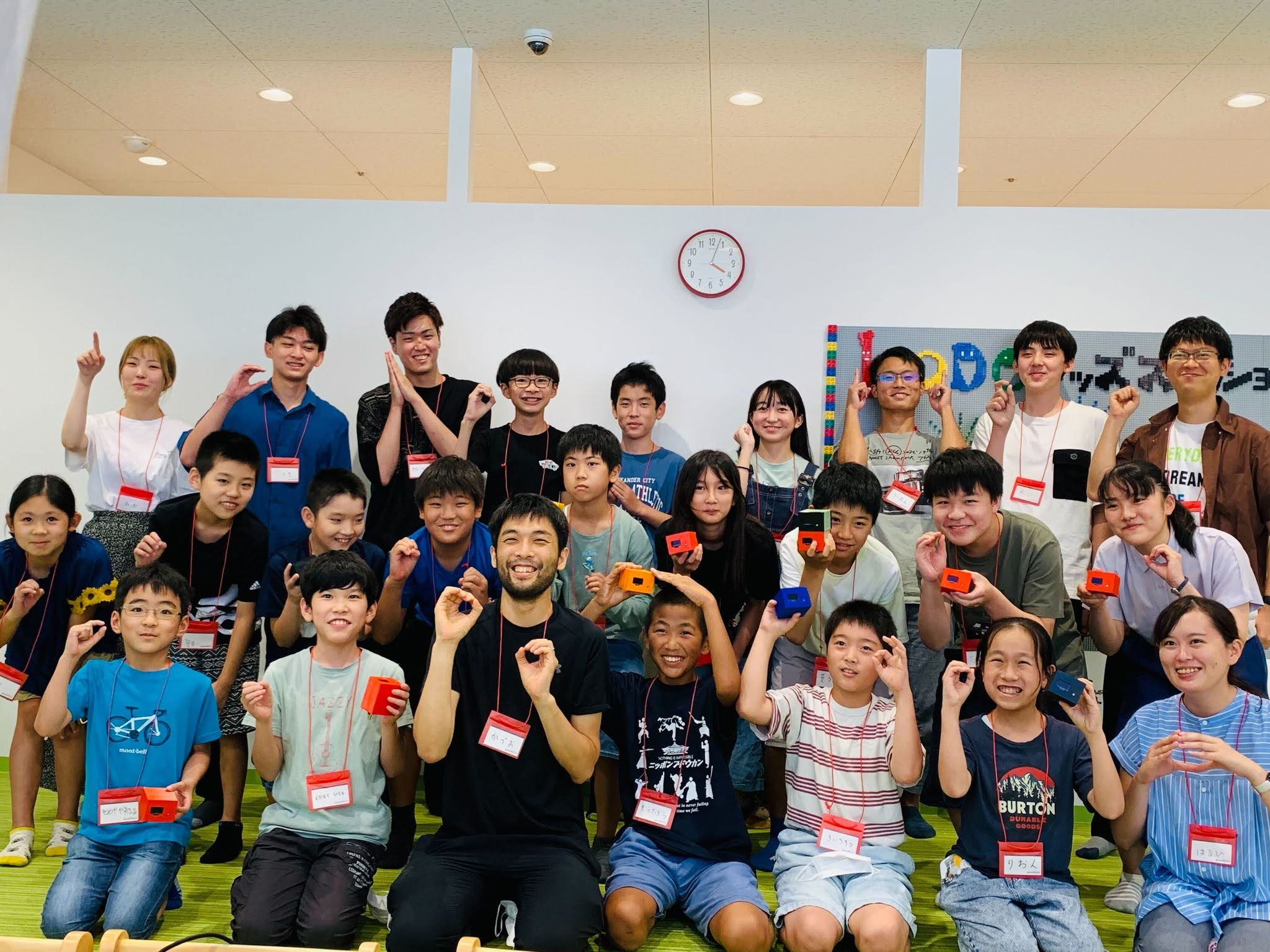
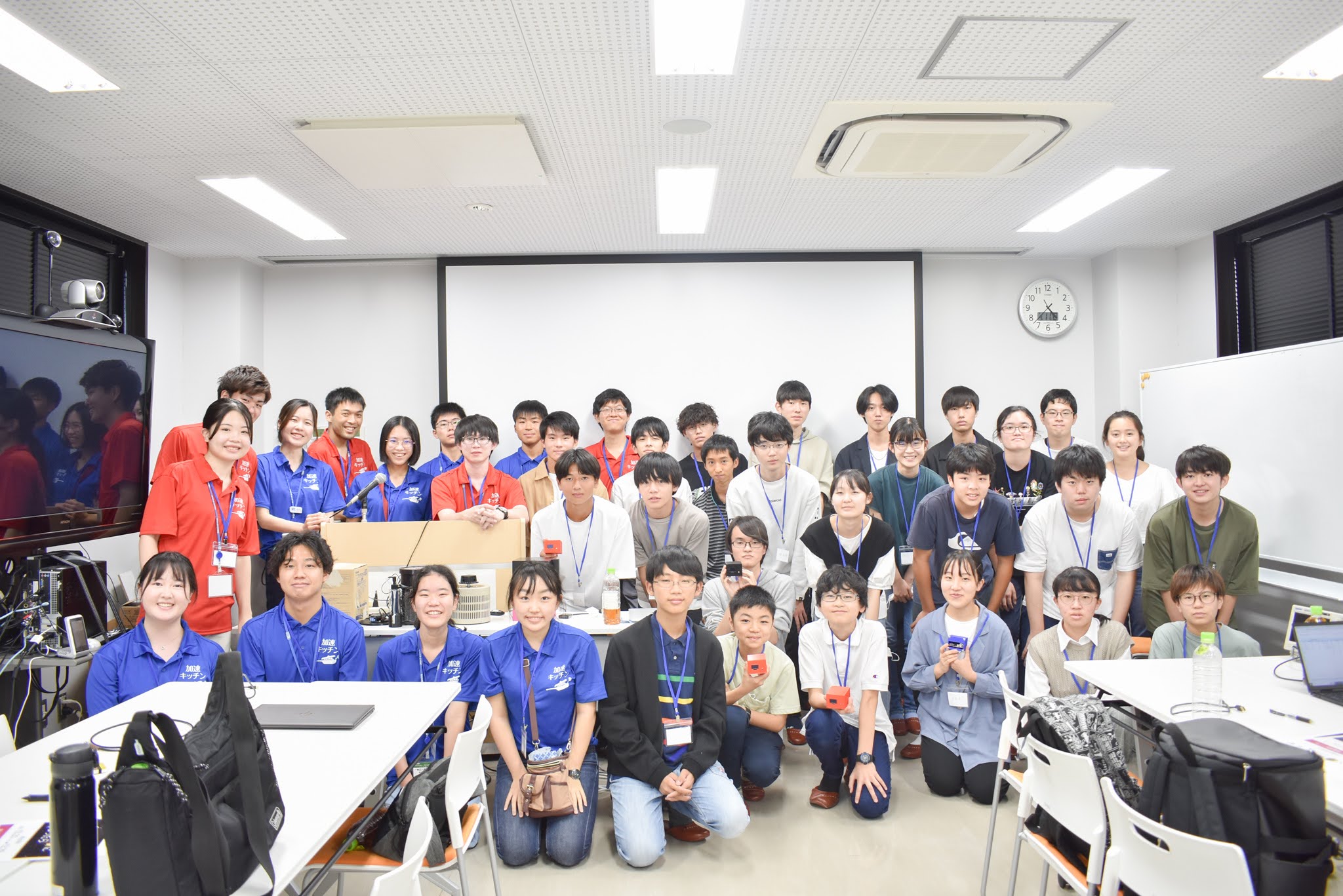
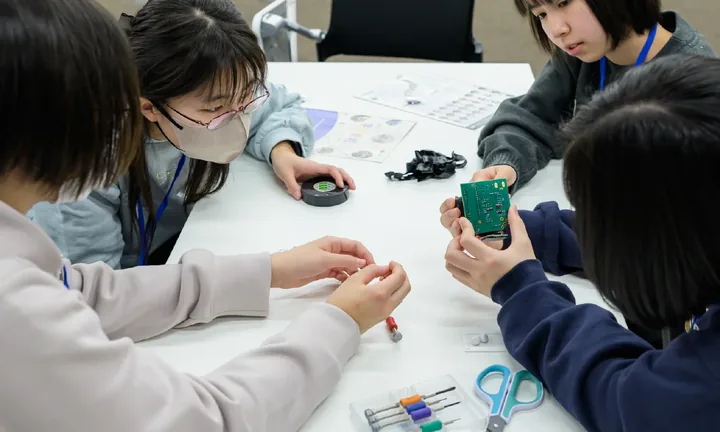
To understand how it works, teams take a detector apart to see what is inside, then work together to build one of their own.
Here is how a typical "cosmic-ray detector workshop" unfolds over a day.
For STEAM sessions, booth formats and school visits, we rearrange this structure to fit.
1
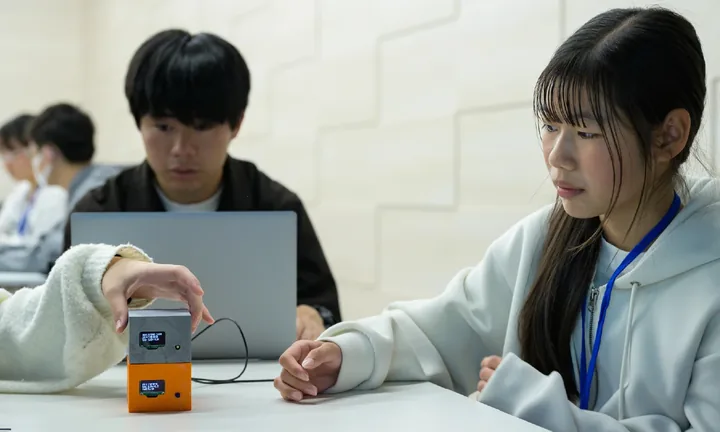 2
2
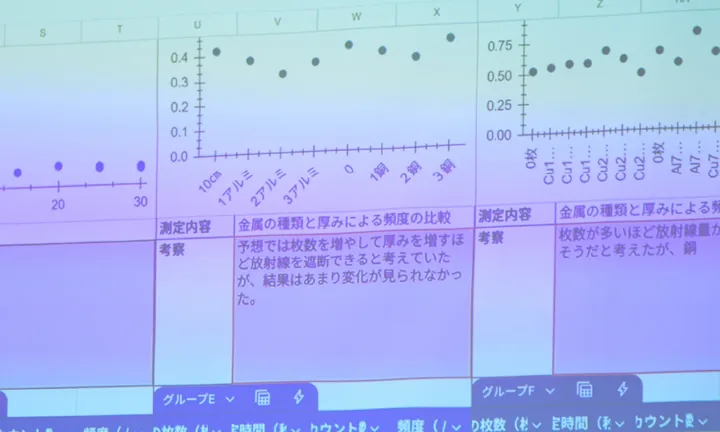 3
3
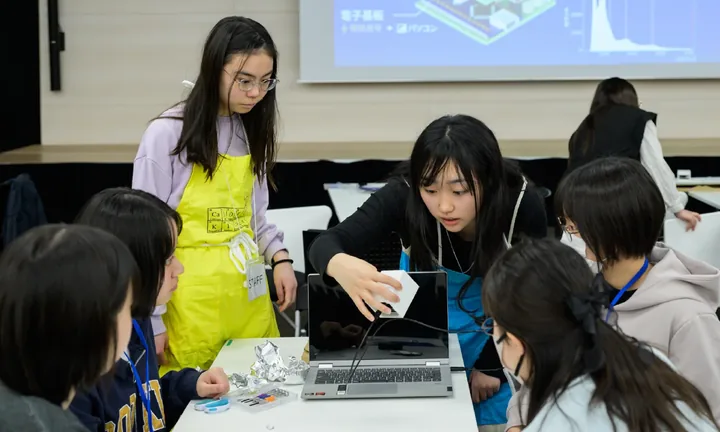 4
4
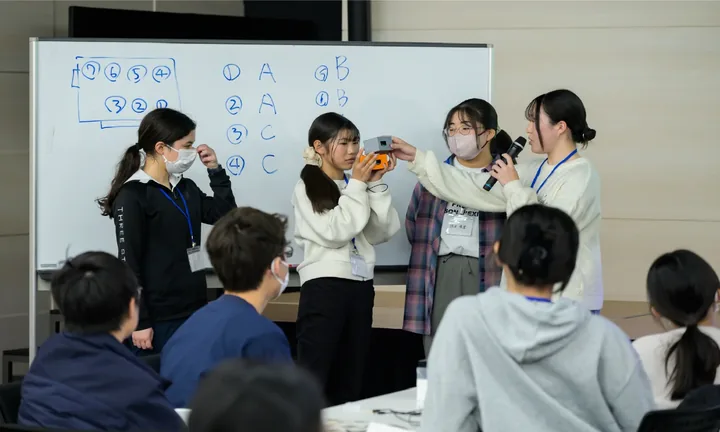 5
5
Schools, science museums, festivals, open-house labs, universities ──.
We'll shape the program together to fit your dates, scale and audience. Please don't hesitate to get in touch.
Guest lessons, SSH, research projects, school-festival programs, special club sessions. We tune the detectors, the curriculum and the mentors to your school's theme, then come to you.
From hands-on booths for visitors to registration-based, one-day workshops. We can also plan on-stage sessions together with researchers.
Beyond detectors, we have delivered many other themes in all kinds of settings.
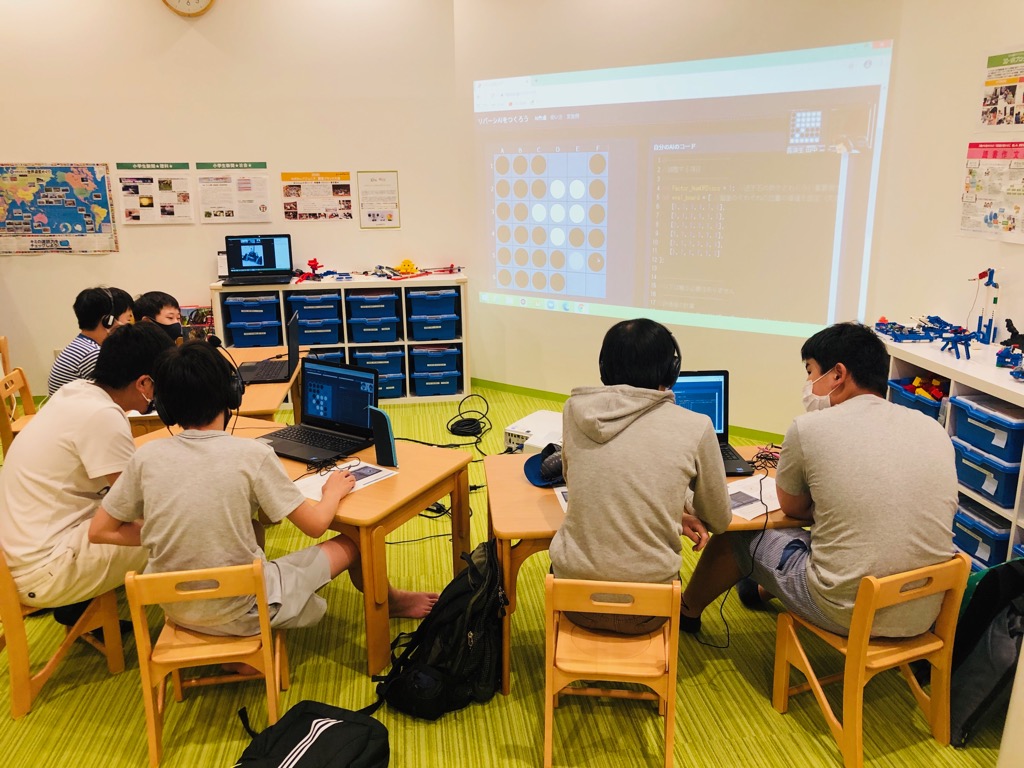
Build a Reversi AI stronger than yourself in JavaScript. You write the board-evaluation function yourself, then finish with AI-versus-AI matches. An Accel Kitchen staple that even beginners can complete in 1–2 hours.
Featured cases · Hiroo Gakuen / Tohoku University / KODO Kids Station / Showa Gakuin
See the Reversi-AI workshop →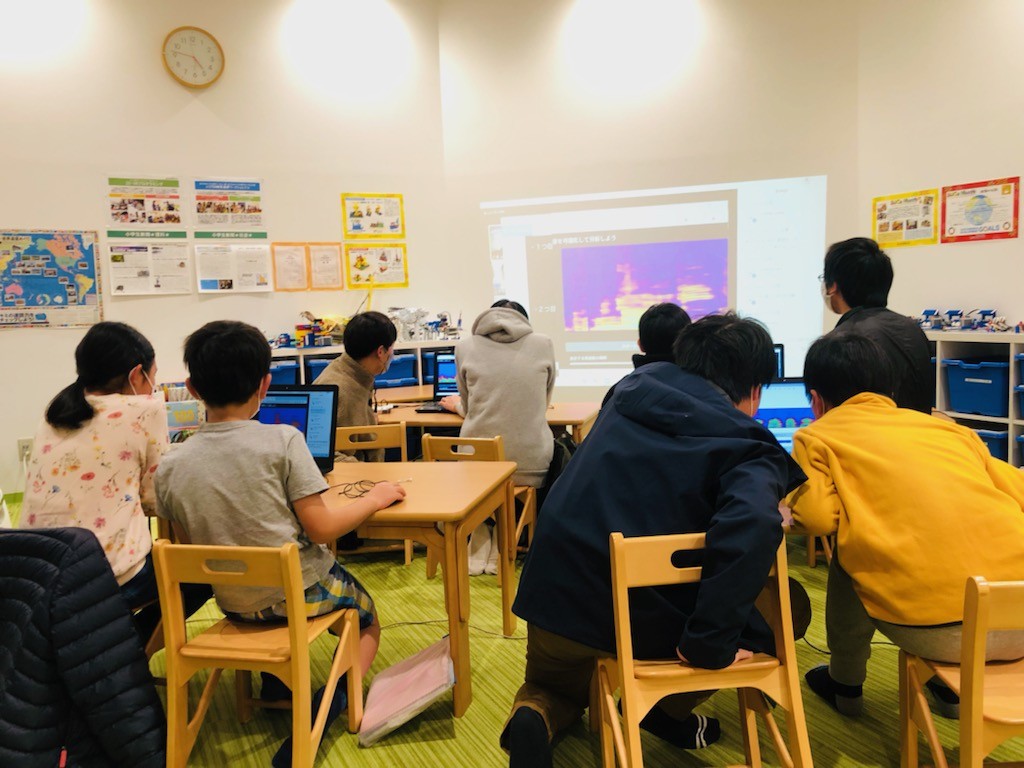
Record your own voice with a microphone and break it down into waveforms and spectra right in the browser. A workshop where you read pitch, loudness and harmonic structure as numbers and graphs, observing vowels, consonants and even your own vocal habits.
Featured cases · KODO Kids Station / Soccer Mama × Dynabook / science events nationwide
See the voice-visualization workshop →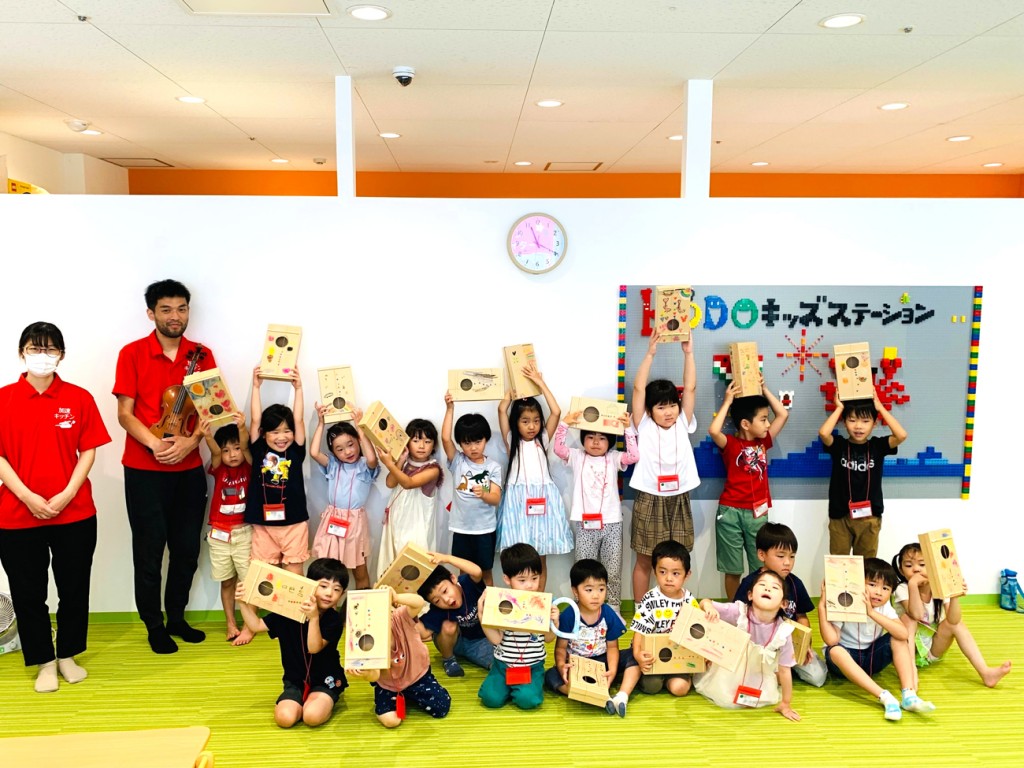
Science × digital, science × art, science × sound ──. We tailor the format to your theme and bring it to schools, science museums and parent-and-child events.
Featured cases · KODO Kids Station (5 years running) / Soccer Mama × Dynabook
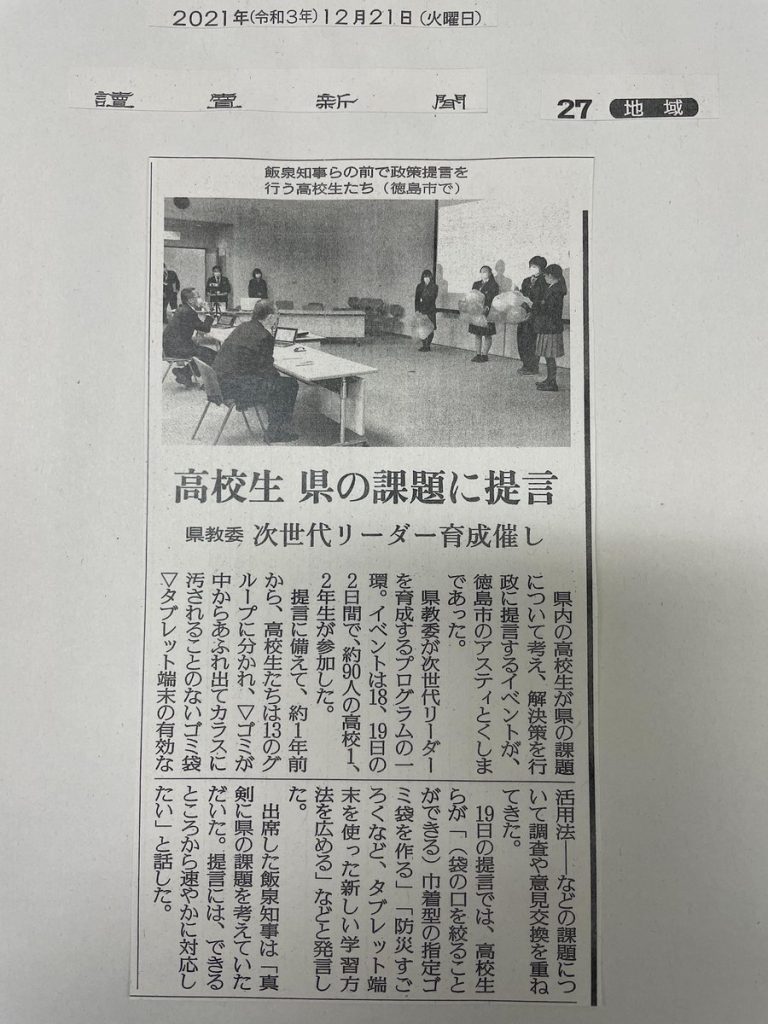
The "Cubed C Program," a year-long inquiry run with the Tokushima Prefectural Board of Education in which high-school students tackle social issues across the prefecture. Around 60 students from six or more schools form cross-school teams and collaborate on Discord, presenting proposals to prefectural officials in September and to the governor and superintendent of education in December.
Run by · Tokushima Prefectural Board of Education × Accel Kitchen (since FY2022)
See the Tokushima PBL initiative →
Science festivals, academic meetings, national-lab open houses ──. We bring real detectors, and the students' own research, to the table.
Exhibition report: Science Agora 2026 (Sept 12–13) / Coming up: JPS Expo at the 81st JPS Annual Meeting (Sept 16–19, UTokyo Komaba)
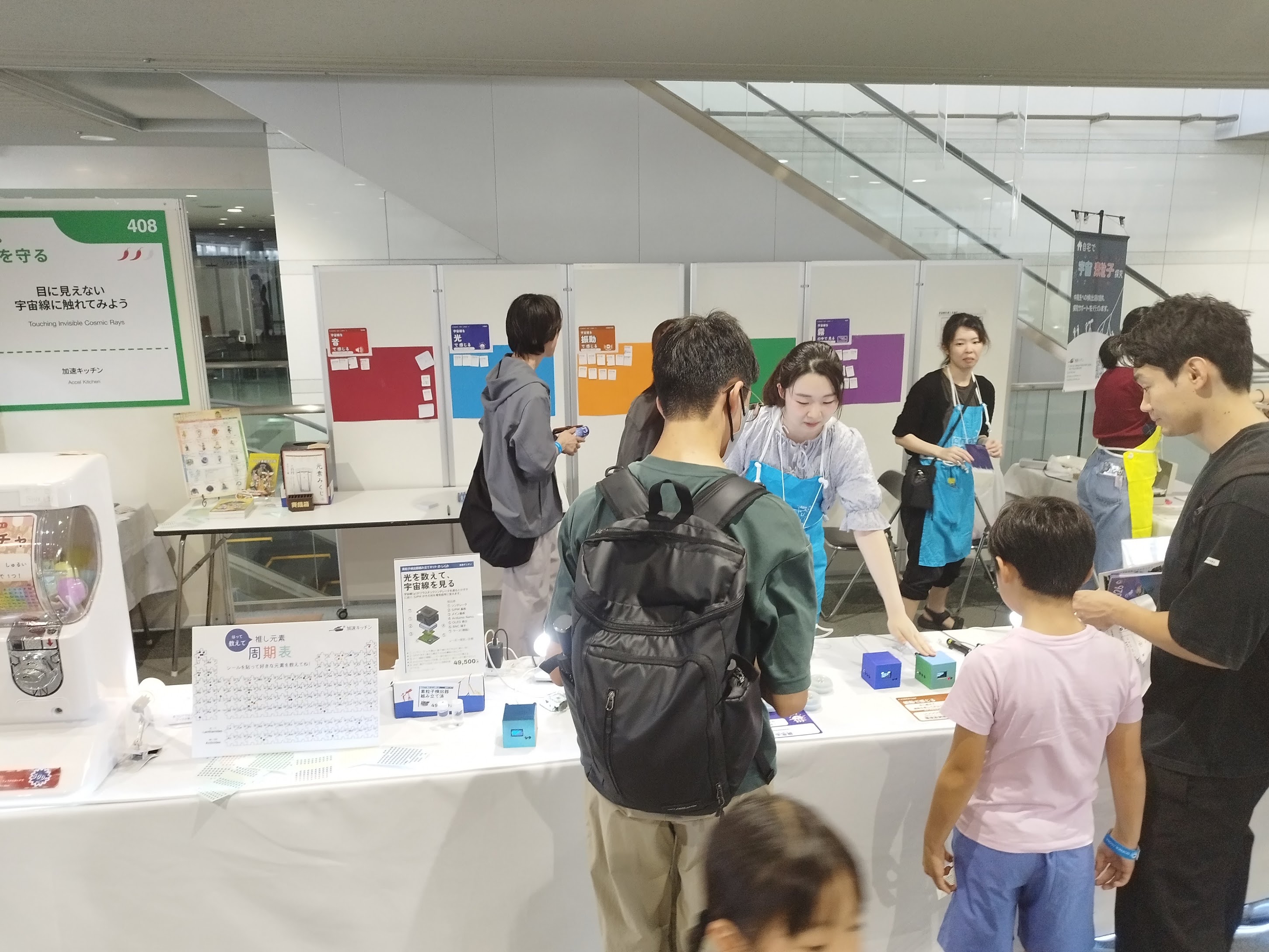
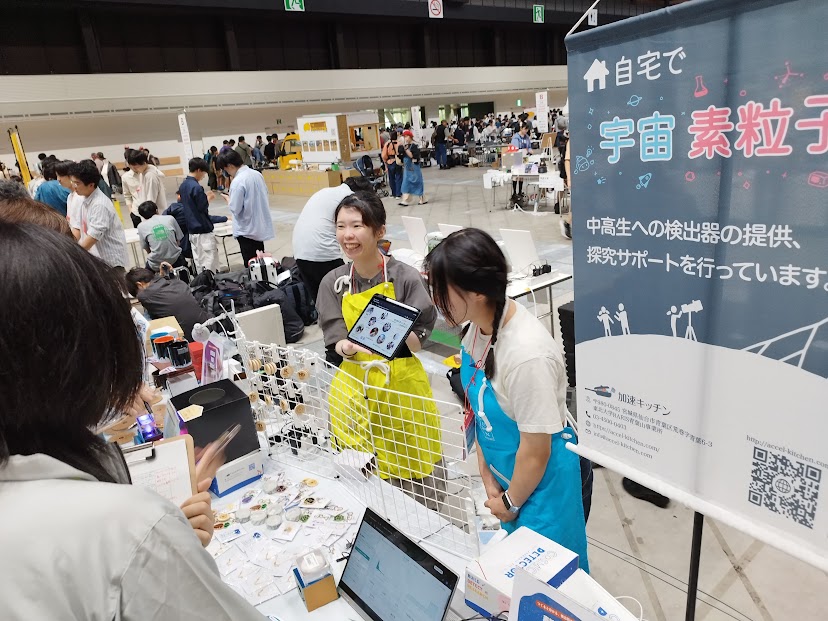
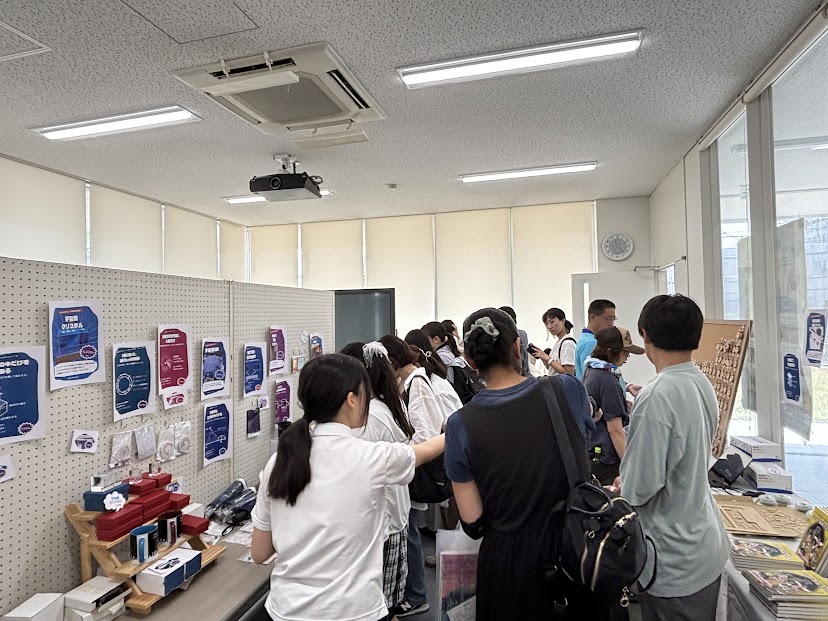
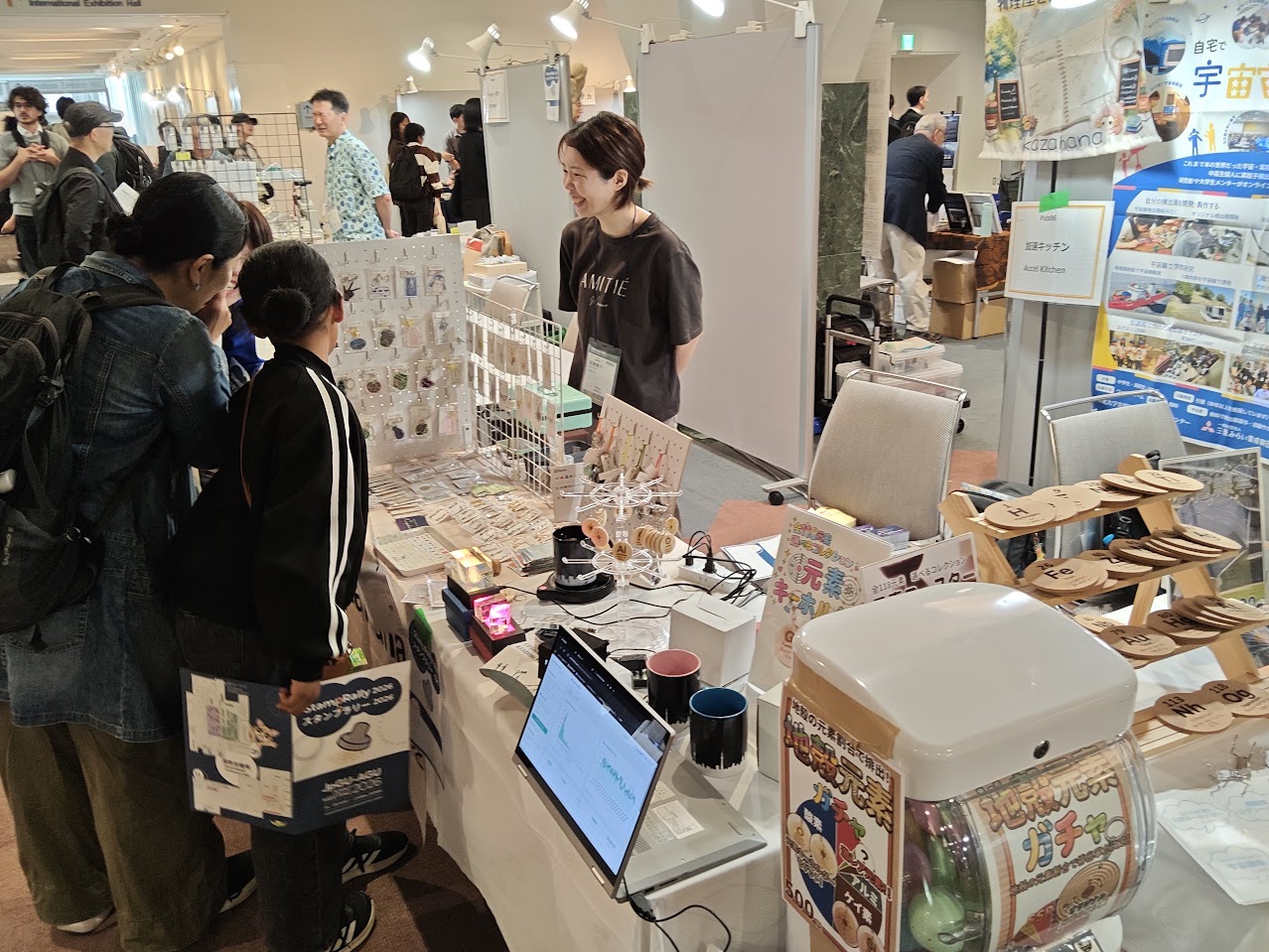
Application period: Dec 1–14.
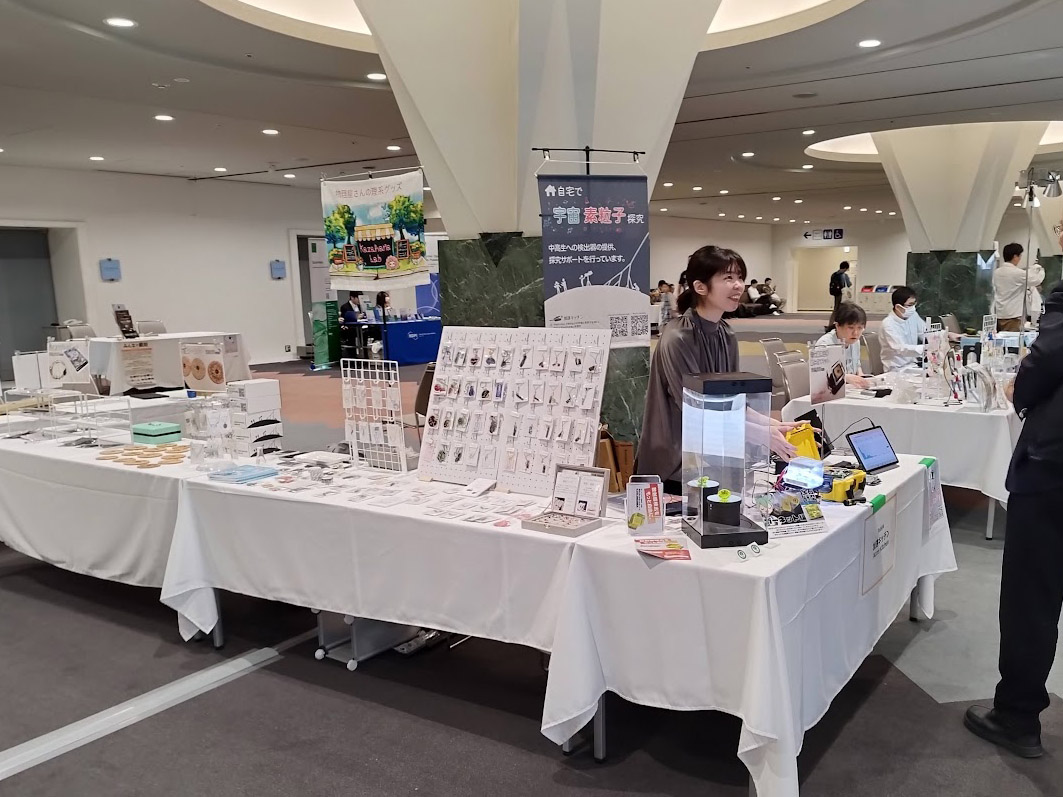
Exhibiting on the books-and-publishers floor, bringing detectors and student research to a room full of researchers.
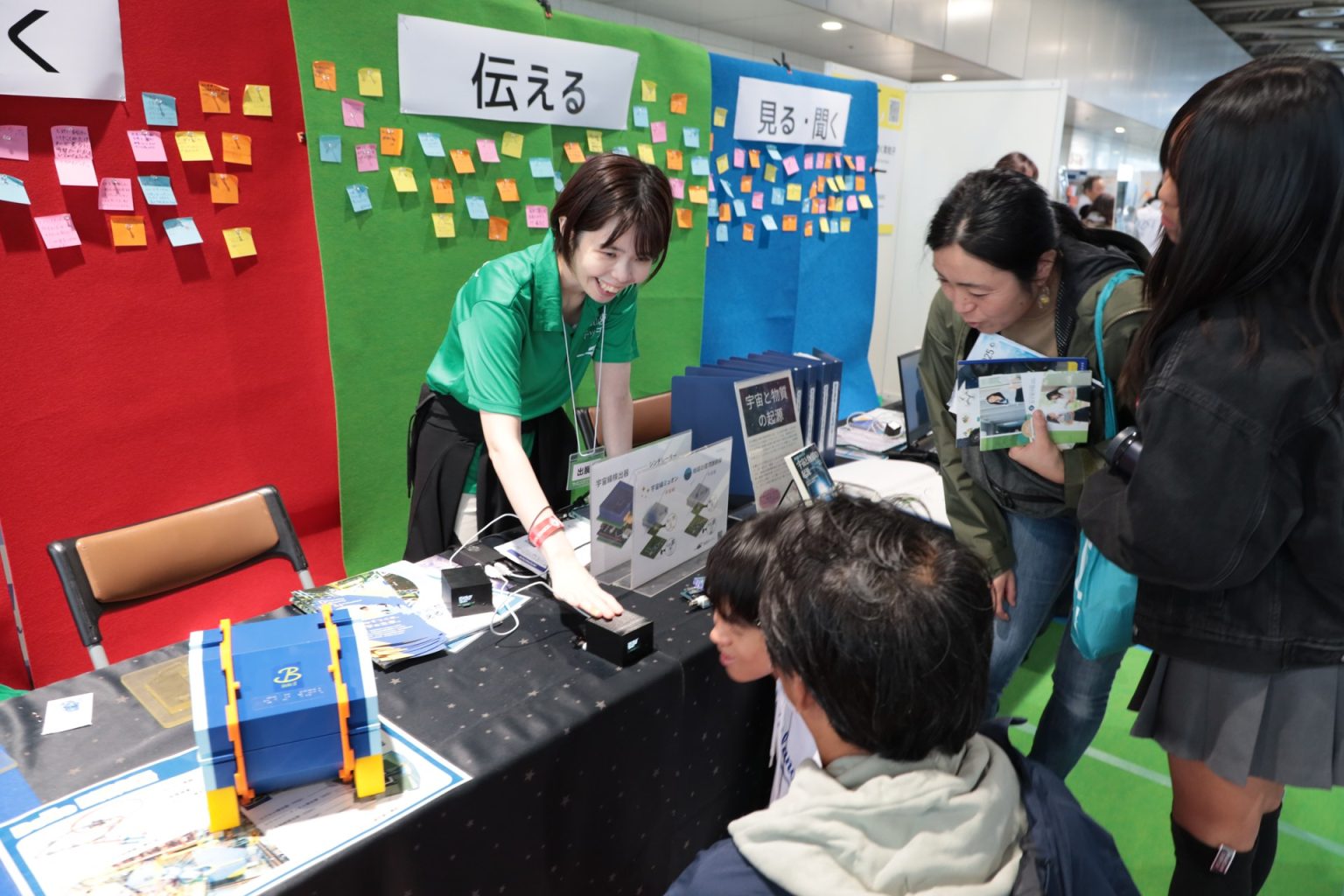
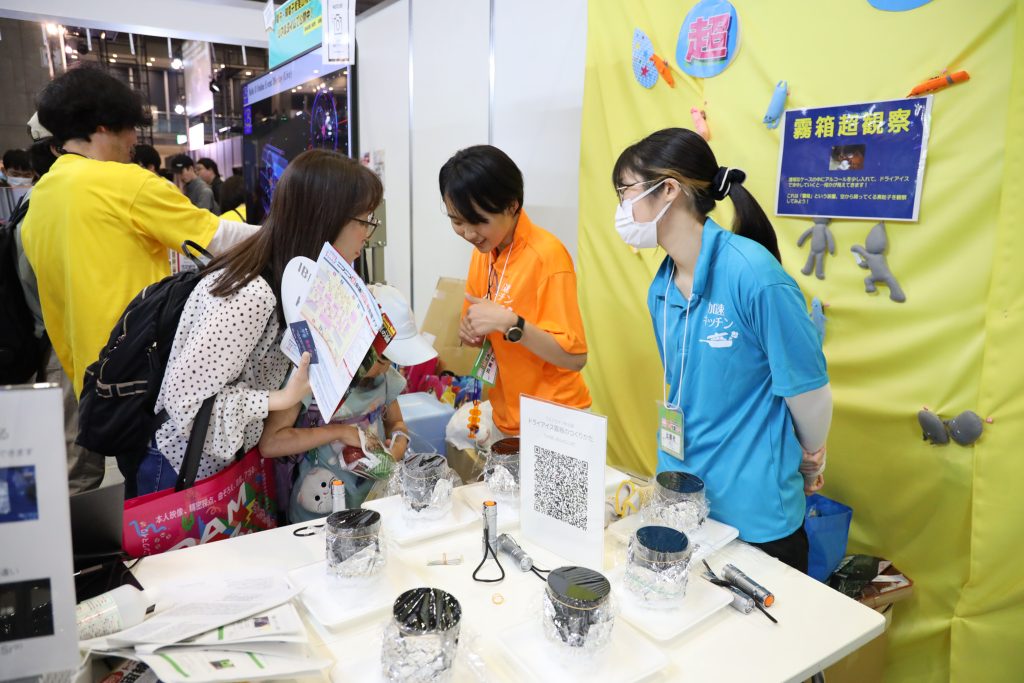
A booth where cosmic rays become light, sound and vibration. Visitors can take a detector apart and put it back together. Free, no booking needed.
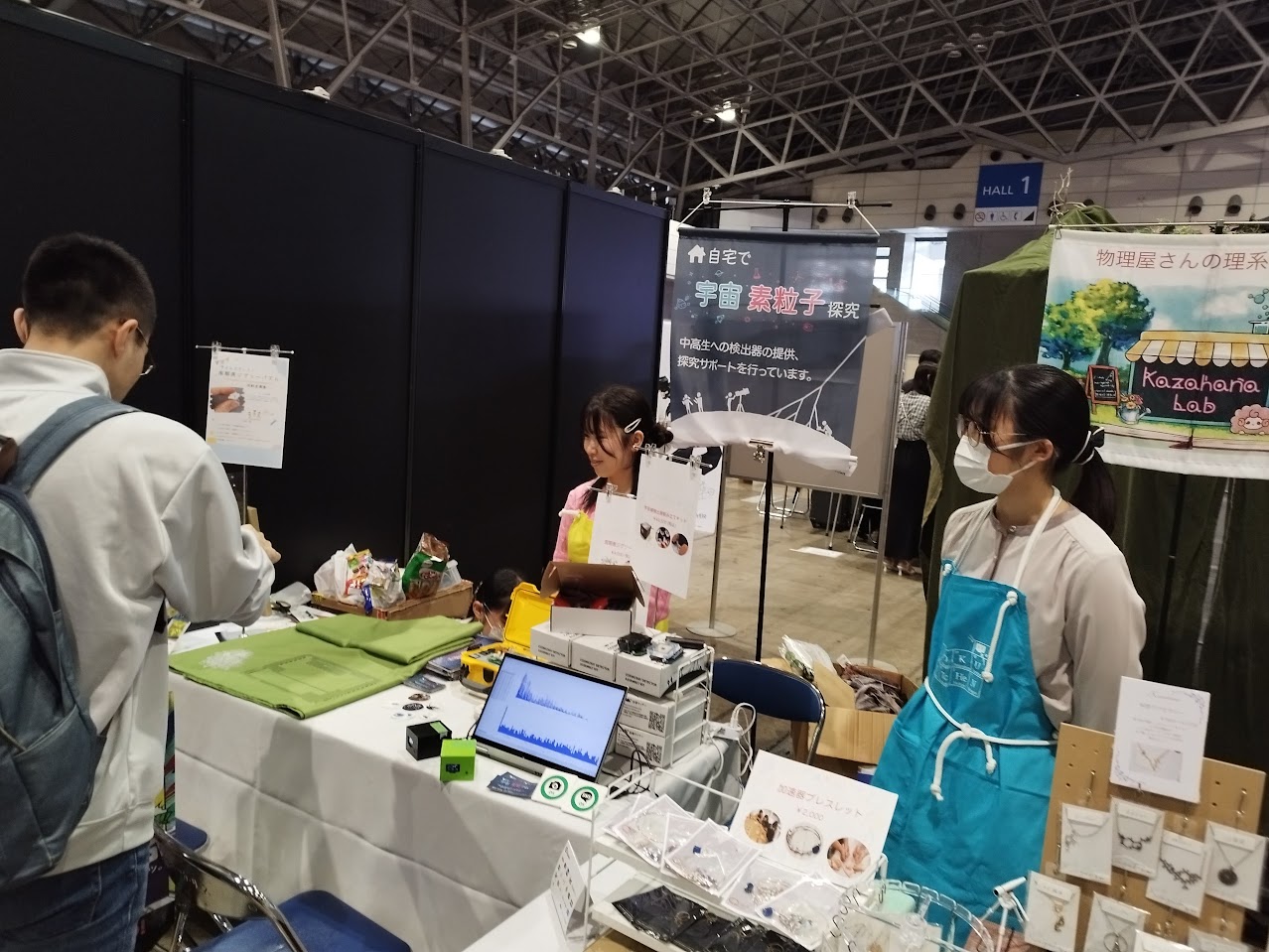
Buildable particle detectors that students assemble and run at home, plus handmade Cherenkov detectors, with live cosmic-ray measurement on site. Booth B 06-02.
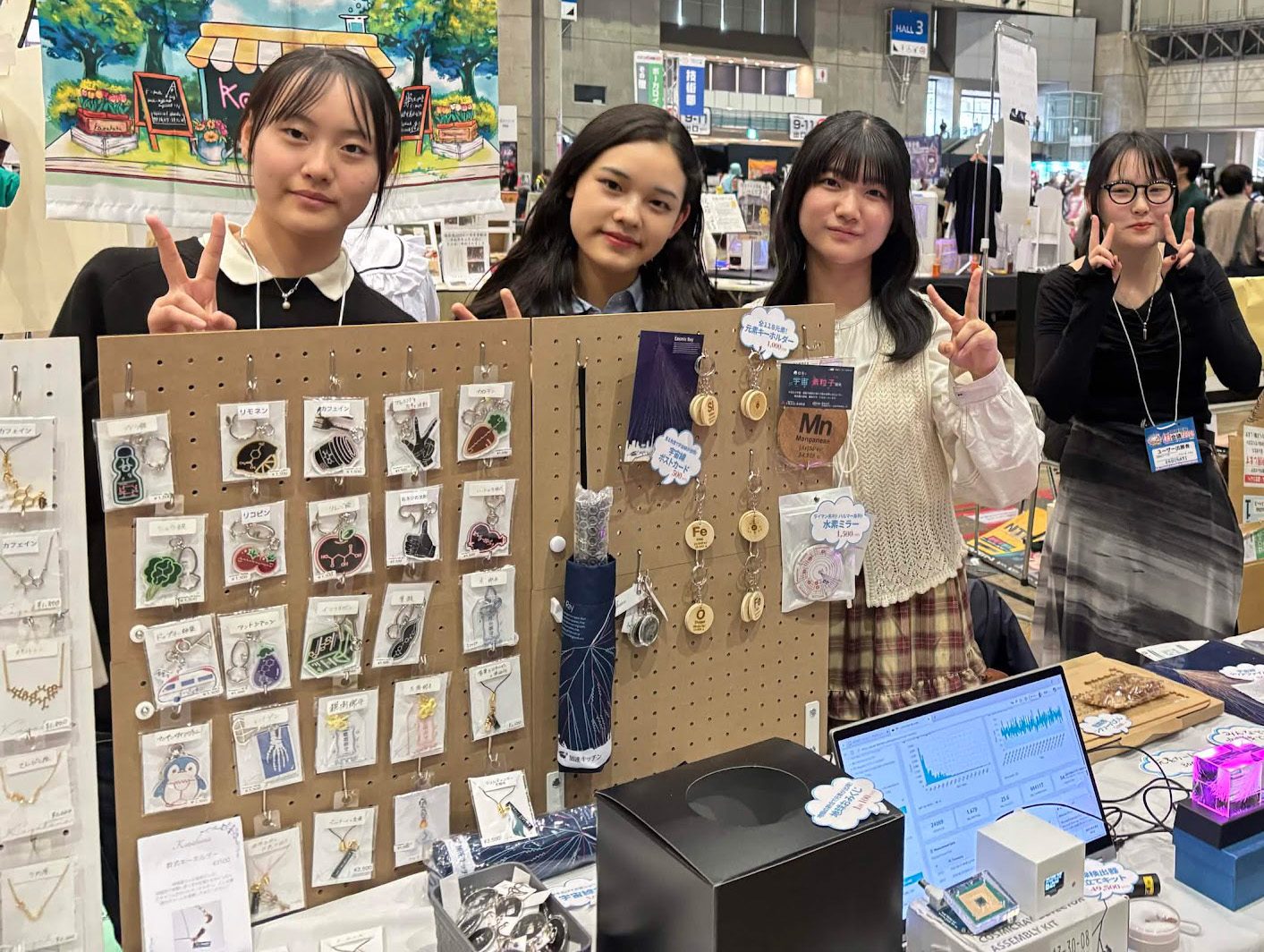
A booth of detectors and particle-physics goods handmade by students.
A special summer workshop by Waseda University's Associate Professor Kazuo Tanaka. Session 1 (preschool–grade 1) built colour-changing bracelets from beads that shift colour under ultraviolet and infrared light — invisible light, checked by hand. Session 2 (grades 2–12) took on "elements" and "gamma rays": teams assembled a detector and observed gamma rays they could not see.
Co-hosted by the Physical Society of Japan and the Physics Education Society of Japan, part of the "2026 Mysteries of Nature — Physics Classroom" series. Take on observation challenges with a cosmic-ray detector. Capacity 22; application deadline Aug 2 (lottery if oversubscribed).
Hosted by MEXT and the University of Tokyo. We exhibited in the poster session alongside universities and nuclear-research organizations.
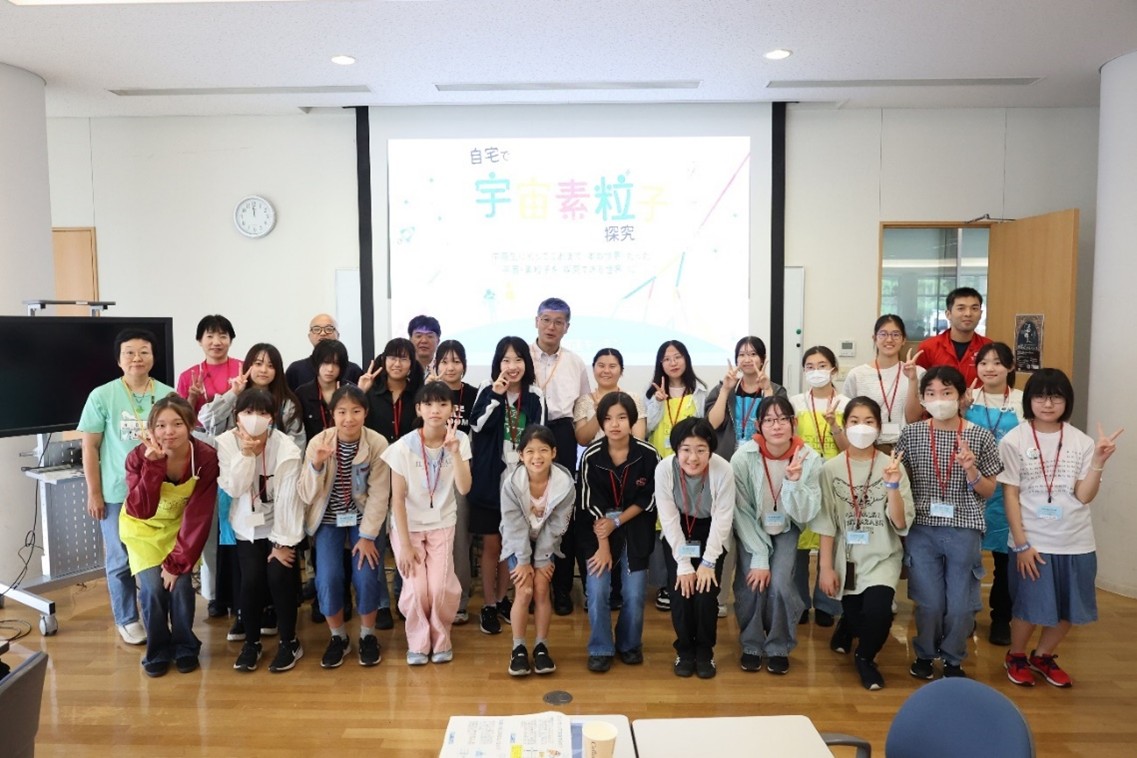
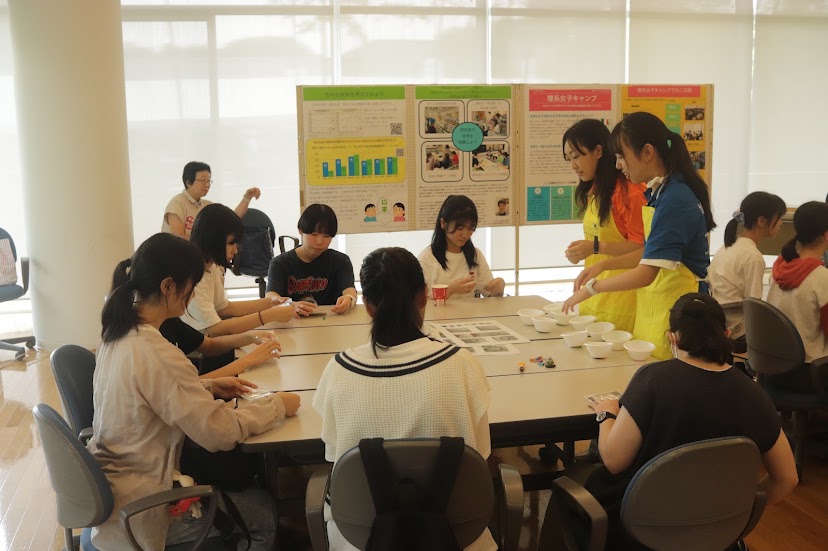
Hosted by the Physics Education Society of Japan. Assemble simple cosmic-ray observation equipment and observe, meet women researchers, and tour the facility. Capacity 30, free to attend.
Portable cosmic-ray and radiation detectors, shown alongside the students' own research.
Selling particle-physics goods handmade by junior-high, senior-high and university members, and showing what their research has produced. Booth H2 U-31 and others.
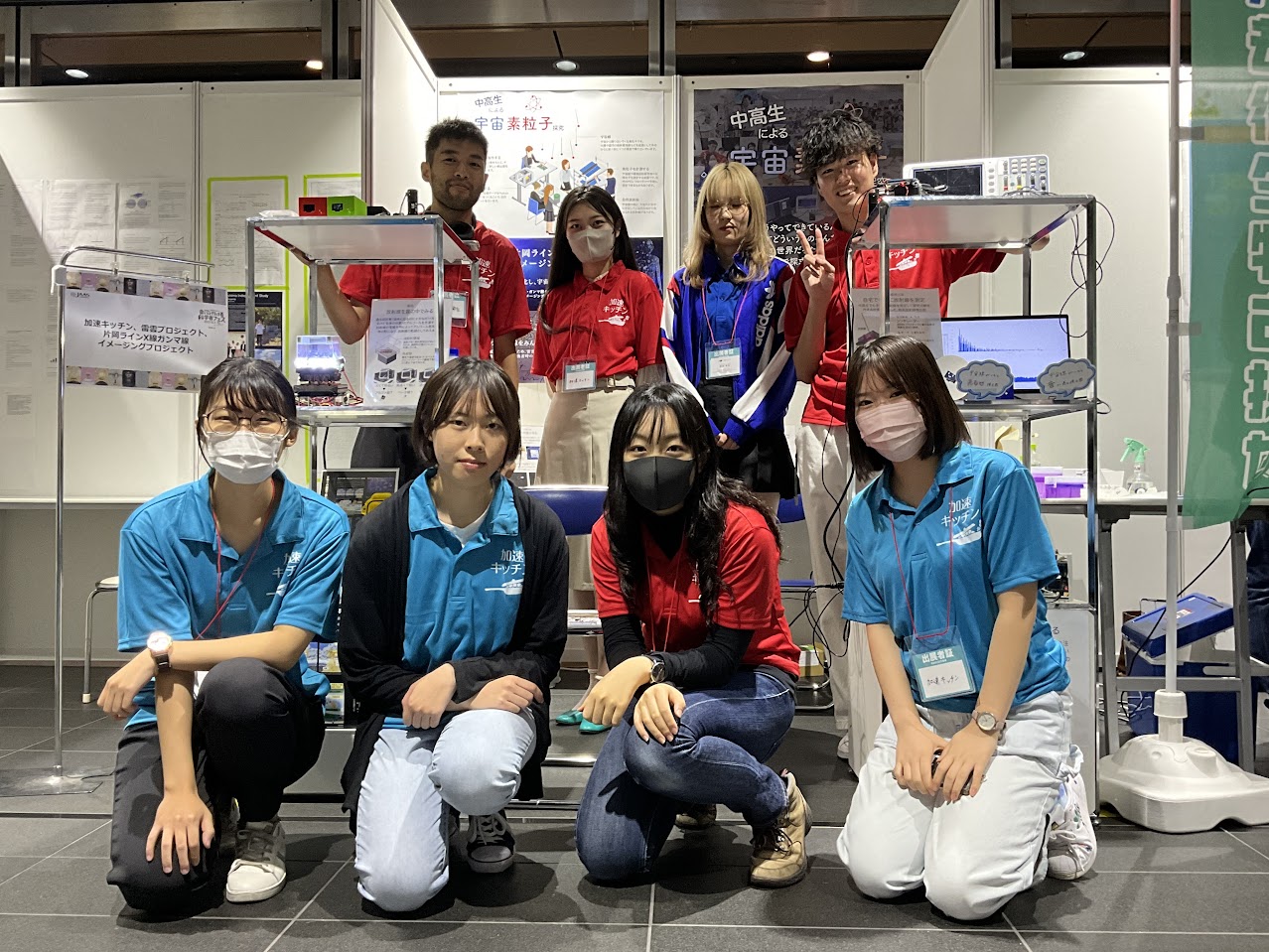
A symposium of Waseda University's Kataoka Line X-ray/Gamma-ray Imaging Project, spanning technologies for "seeing" with X-rays and gamma rays from the cosmos to the human body. A project involving Accel Kitchen's Associate Professor Kazuo Tanaka.
Live cosmic-ray detector demonstrations, plus a display of the students' research.
Tour one of Japan's largest cyclotrons and analyze data alongside researchers. Co-hosted with Seed and Design.
A joint booth by the JHPS Young Researchers' Group & Alumni Association × the Japan Radioisotope Association × Accel Kitchen. Learn about atoms and radiation through mini-games.
A demo booth with cloud chambers and detectors, plus a chance to talk with researchers. At the Science Girls mini-tour and lecture, student members walked visitors through how they run their own research.
A special summer workshop by Waseda University's Associate Professor Kazuo Tanaka. From on-screen simulation to hands-on experiment, learn conservation of momentum in a tournament format.
Distributing portable cosmic-ray and radiation detectors, and showing student research alongside original particle-physics goods. Booths Pub04 and Pub12.
A booth exhibiting handmade particle-physics goods and detectors.
The first Japanese team ever selected; sent from among Accel Kitchen participants.
Disassembling, reassembling and measuring with detectors. Commissioner Okada of the Cabinet Office's Atomic Energy Commission attended; instructors included Waseda University's Tanaka and others.
Held as part of the SEEDS Program.
Cloud-chamber observation and detector demos, jointly with KEK.
Tour of a large accelerator facility, measurements, and dialogue with researchers. Admission by lottery.
Timed with ICRC2023 (the International Cosmic Ray Conference); connected with overseas researchers.
Four themed teams on shielding, distance and building attenuation. Doctoral and graduate-student mentors from Tokyo Institute of Technology took part.
Tour of the AVF930 cyclotron; correlation analysis with geomagnetic activity.
Assemble the detector remotely and analyze its zenith-angle dependence.
Polymer-gel dosimeters (jointly with Argentina), geomagnetic anomalies and cosmic rays, and joint sessions with high schools in the UK and the US (Oregon and Omaha).
An annual event where high-school groups around the world measure cosmic rays on the same day and pool their data.
Open to all; no prior knowledge required.
A landmark session in which nine teams shared their inquiry themes — Toshimagaoka, Waseda Honjo, Sendai Daiichi, Yamagata Higashi and others.
A residential program with Hiroo Gakuen participants and Tohoku University graduate students and researchers.
A lecture on ultra-high-energy cosmic rays (Telescope Array) plus detector assembly and measurement. A joint program by Tohoku University CYRIC and KEK researchers.
The Japan-side workshop held in partnership with QuarkNet in the US — the prototype of Accel Kitchen.
You can consult us even before the dates, scale and location are settled.
Drawing on our track record, we'll propose a program suited to your school or museum.